

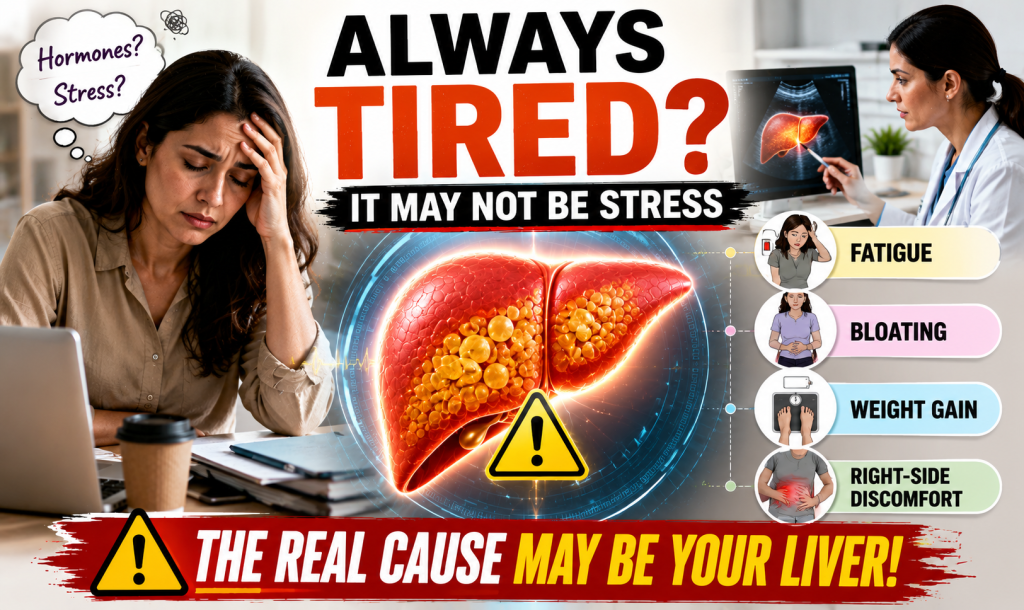
Persistent fatigue, unexplained weight gain, bloating after meals, or a dull discomfort on the right side of the abdomen are symptoms many women dismiss as part of a busy lifestyle or hormonal changes. These complaints are often linked to stress, menopause, or digestive issues, making it easy to overlook an underlying liver problem. Because fatty liver usually develops gradually, many women remain unaware of the condition until routine blood tests or an ultrasound reveal it.
Fatty liver symptoms in females often appear only after fat has been building up in the liver for some time. Understanding what causes the condition is important because many of the risk factors can be managed through lifestyle changes and timely medical care. The earlier fatty liver is identified, the better the chances of preventing long-term liver damage.
Why Does Fatty Liver Develop?
Fatty liver occurs when excess fat accumulates inside liver cells.
A small amount of fat in the liver is normal, but when fat makes up more than a healthy level, the liver may become inflamed and begin functioning less efficiently.
Doctors commonly classify fatty liver into two types:
- Non-alcoholic fatty liver disease (NAFLD), which is unrelated to excessive alcohol consumption.
- Alcohol-related fatty liver disease, caused by long-term heavy alcohol intake.
According to the American Association for the Study of Liver Diseases (AASLD), non-alcoholic fatty liver disease is now one of the most common liver conditions worldwide.
How Do Hormonal Changes Affect Women?
Female hormones help regulate how the body stores and uses fat.
During menopause, declining oestrogen levels can increase fat accumulation around the abdomen and may contribute to fat storage within the liver.
Hormonal changes alone rarely cause fatty liver.
The condition usually develops when hormonal changes combine with other factors such as weight gain, insulin resistance, or poor dietary habits.
Can Excess Weight Increase the Risk?
Being overweight is one of the strongest risk factors for fatty liver.
Excess body fat, especially around the waist, increases the amount of fat delivered to the liver.
Not every woman with fatty liver is overweight, but obesity significantly increases the likelihood of developing the condition.
Even a modest reduction in body weight has been shown to improve liver health in many patients.
Why Is Insulin Resistance So Important?
Insulin helps move sugar from the bloodstream into the body’s cells.
When the body becomes resistant to insulin, blood sugar levels remain higher, and more fat is stored in the liver.
Insulin resistance is commonly associated with:
- Type 2 diabetes
- Prediabetes
- Obesity
- Metabolic syndrome
According to the International Diabetes Federation, insulin resistance is one of the major drivers behind the increasing prevalence of fatty liver disease.
Does PCOS Increase the Risk?
Women with Polycystic Ovary Syndrome (PCOS) have a greater chance of developing fatty liver.
PCOS is often associated with:
- Hormonal imbalance
- Insulin resistance
- Weight gain
- High cholesterol
Research published in the Journal of Hepatology has found that women with PCOS are more likely to develop fatty liver than women without the condition.
This does not mean every woman with PCOS will develop liver disease, but regular health monitoring is often recommended.
Can Diet and Lifestyle Contribute?
Daily habits have a major influence on liver health.
Factors that may increase the risk include:
- Frequent sugary drinks
- Highly processed foods
- Excess refined carbohydrates
- Lack of physical activity
- Poor sleep habits
- Smoking
- Excessive alcohol intake
Fatty liver usually develops over months or years rather than appearing suddenly.
What Symptoms Do Women Commonly Experience?
Many women have no symptoms during the early stages.
When symptoms develop, they may include:
- Persistent tiredness
- Bloating
- Mild discomfort beneath the right ribs
- Feeling unusually weak
- Difficulty concentrating
- Unexplained weight gain
- Loss of appetite in some cases
Because these symptoms overlap with many other conditions, diagnosis requires proper medical assessment.
How Is Fatty Liver Diagnosed?
Doctors usually begin with a review of symptoms, medical history, and lifestyle.
Investigations may include:
- Liver function blood tests
- Ultrasound scan
- FibroScan® to measure liver stiffness
- CT scan or MRI when required
Many patients discover fatty liver during investigations for unrelated health concerns.
Can Fatty Liver Be Prevented?
Although not every case can be prevented, many risk factors can be reduced.
Healthy habits include:
- Maintaining a healthy weight
- Following a balanced diet
- Exercising regularly
- Managing diabetes and cholesterol
- Limiting alcohol intake
- Attending regular health check-ups
According to the World Health Organization (WHO), maintaining a healthy body weight and staying physically active play an important role in reducing metabolic diseases associated with fatty liver.
Conclusion
Fatty liver symptoms in females often develop because several factors work together rather than from one single cause. Hormonal changes, excess body weight, insulin resistance, poor dietary habits, and conditions such as PCOS all increase the likelihood of fat building up inside the liver. Recognising these risk factors early gives women a better opportunity to make lifestyle changes before significant liver damage occurs.
Women experiencing persistent fatigue, abdominal discomfort, or unexplained changes in weight should consider medical evaluation, particularly if they have diabetes, obesity, or hormonal disorders. For more information about fatty liver treatment, minimally invasive care, and comprehensive liver health services, explore the resources available on the Flowcare homepage.
FAQs
Can slim women develop fatty liver?
Yes. Although obesity increases the risk, fatty liver can also occur in women with a normal body weight, particularly if they have insulin resistance, diabetes, or hormonal disorders.
Does menopause increase the risk of fatty liver?
Yes. Hormonal changes during menopause may increase fat storage around the abdomen and raise the risk of fatty liver when combined with other lifestyle factors.
Is fatty liver painful?
Many women experience no pain. Some report a mild feeling of heaviness or discomfort beneath the right side of the rib cage.
Can fatty liver be reversed?
In many cases, yes. Weight management, regular physical activity, a healthy diet, and treatment of underlying conditions can significantly improve liver health.
Should every woman with fatigue be tested for fatty liver?
Not necessarily. Fatigue has many possible causes, but persistent tiredness combined with risk factors such as obesity, diabetes, PCOS, or abnormal liver blood tests should be medically evaluated.
Medical Disclaimer: This article is intended for general informational purposes only and should not replace professional medical advice, diagnosis, or treatment. Always consult a qualified healthcare provider regarding any concerns about liver health.