

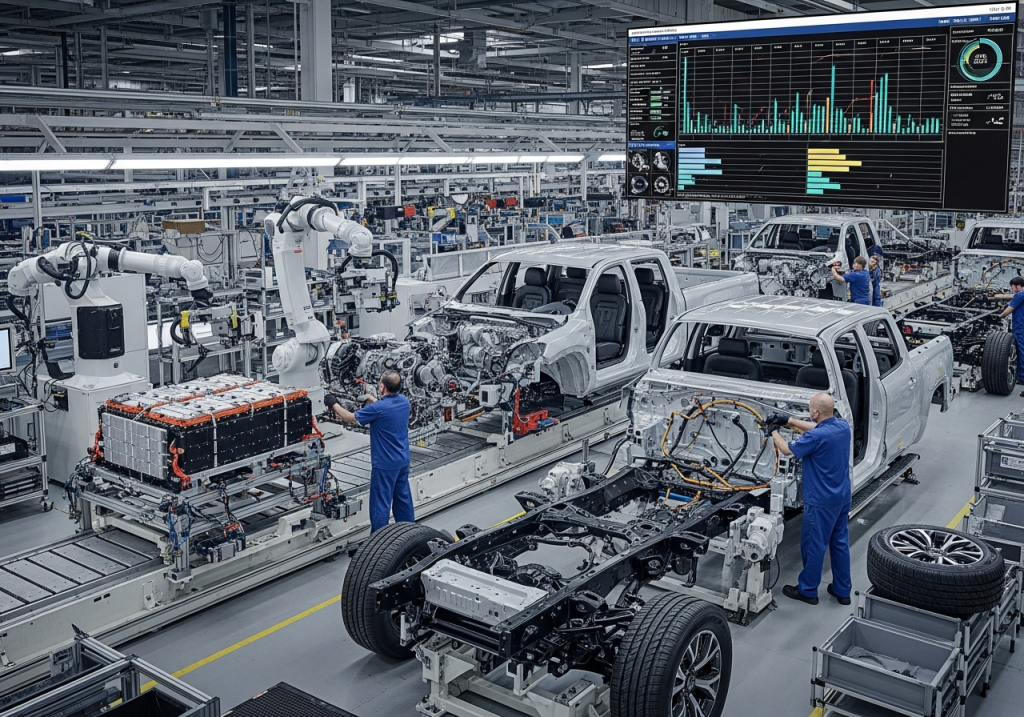
Understanding production expenses is essential for businesses that want to manufacture products efficiently and maintain sustainable profit margins. From raw materials and labor to equipment, transportation, and quality control, every stage of production contributes to the final product cost. Accurate manufacturing cost estimation helps businesses plan budgets, compare production methods, evaluate supplier quotations, and make informed decisions before starting manufacturing. Whether developing a prototype or preparing for large-scale production, understanding the different cost factors can improve financial planning and reduce unexpected expenses.
Understanding Manufacturing Costs
Manufacturing costs represent the expenses involved in converting raw materials and resources into finished products. These expenses generally fall into three main categories: direct materials, direct labor, and manufacturing overhead.
Direct materials include the raw materials and components used to create a product. Direct labor covers the wages of employees who work directly on manufacturing operations. Manufacturing overhead includes indirect expenses such as electricity, equipment maintenance, factory rent, and production supervision.
Understanding these categories provides a foundation for calculating production expenses and identifying areas where costs can be controlled.
Identify Direct Material Expenses
Materials are often a significant part of manufacturing expenditure. The type, quantity, availability, and quality of materials can influence the overall production budget.
Start by identifying every material and component required to manufacture the product. Calculate the quantity needed for each unit and multiply it by the relevant purchase price. Remember to consider material waste, cutting losses, rejected items, and packaging requirements.
Material prices may also fluctuate because of market conditions, transportation expenses, and supplier availability. Businesses should regularly review supplier quotations to maintain realistic cost estimates.
Calculate Direct Labor Costs
Direct labor costs include the wages and related expenses of employees involved in producing a product. These may include machine operators, assembly workers, technicians, and production specialists.
To estimate direct labor expenses, determine how many working hours are required to manufacture each unit. Multiply the estimated production hours by the applicable labor rate.
For example, if a component requires two hours of direct labor, the estimated labor expense will depend on the hourly cost of the employees involved.
Labor estimates should also account for production efficiency, training requirements, overtime, and differences in manufacturing complexity. Accurate calculations help businesses understand how workforce requirements influence production costs.
Include Manufacturing Overhead
Manufacturing overhead includes expenses that support production but cannot easily be assigned to a specific product.
Common overhead expenses include:
- Facility expenses: Factory rent, utilities, electricity, heating, and general maintenance.
- Equipment expenses: Machinery depreciation, repairs, servicing, and production-related operating costs.
Other overhead expenses may include insurance, supervision, production software, safety equipment, and indirect labor.
Businesses can allocate these expenses across products using an appropriate costing method. The selected method should reflect how resources are consumed during manufacturing.
Consider Equipment and Tooling Expenses
Manufacturing equipment and tooling can have a significant influence on the initial production budget. Depending on the manufacturing method, businesses may need specialized machinery, molds, dies, fixtures, or cutting tools.
For example, injection molding often requires dedicated molds, while CNC machining may require specific cutting tools and workholding equipment.
Some equipment costs are paid upfront, while others are distributed over the expected useful life of the machinery. Businesses should consider equipment utilization, depreciation, maintenance, and replacement requirements when preparing estimates.
For new product development, prototype expenses should also be considered separately from regular production costs.
Evaluate Supplier Quotations and Transportation
Supplier quotations provide important information when estimating manufacturing expenses. Request detailed pricing for materials, components, tooling, and outsourced production services.
Compare quotations based on specifications, material quality, order quantities, payment conditions, and delivery schedules rather than looking at the purchase price alone.
Transportation, packaging, customs charges where applicable, and storage can also increase the total cost of obtaining materials and delivering finished products.
Building these expenses into the initial budget helps businesses avoid underestimating the actual cost of production.
Choose the Right Manufacturing Process
The manufacturing method directly affects production expenses. CNC machining, injection molding, casting, sheet metal fabrication, and 3D printing all have different setup requirements, operating costs, and production capabilities.
For example, 3D printing may be suitable for producing prototypes without expensive tooling. Injection molding may become more economical when manufacturing large quantities of identical plastic components.
Businesses should compare setup expenses, production speed, material usage, finishing requirements, and expected order quantities before selecting a process.
Use Technology to Improve Cost Accuracy
Digital tools and manufacturing software can simplify cost calculations and improve financial visibility. Spreadsheet models, enterprise resource planning systems, and computer-aided manufacturing software can help organize material requirements, labor hours, equipment expenses, and production schedules.
Businesses can also use historical production data to compare estimated costs with actual expenses. This makes it easier to identify inaccurate assumptions and improve future estimates.
Regularly updating cost information is particularly important when material prices, labor rates, and supplier conditions change.
Conclusion
Accurate manufacturing cost estimation is essential for effective production planning and financial management. By calculating material expenses, direct labor, manufacturing overhead, equipment costs, transportation, and process-related expenses, businesses can develop more realistic production budgets.
For additional manufacturing information and resources, manufacturing cost estimation provides a useful starting point for understanding manufacturing considerations. Combining careful calculations, supplier comparisons, and regular cost reviews helps businesses control expenses, improve production decisions, and develop sustainable manufacturing strategies.