

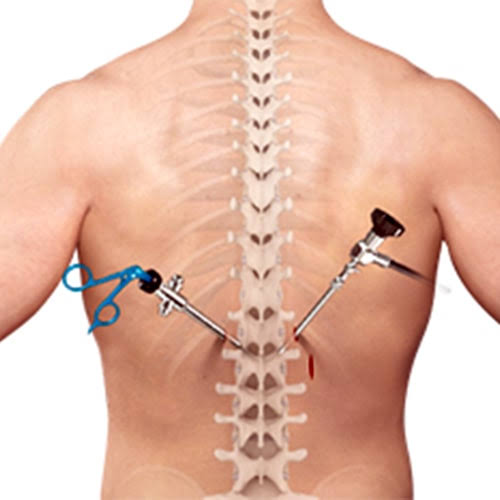
Lower back pain is common, but persistent or severe pain can sometimes be linked to a problem involving the lumbar spine. The lumbar region supports much of the body’s weight and plays an important role in movement, balance, and nerve function. When a spinal condition affects the bones, discs, joints, or nerves in this area, everyday activities such as walking, sitting, bending, or sleeping may become difficult.
For some patients, conservative treatment can provide enough relief. Others may have a condition that requires a more detailed assessment and, in selected cases, lumbar spine surgery in Al Ain may be considered. Understanding the symptoms, diagnostic process, and available treatment approaches can help patients make informed decisions about their spinal health.
What Is the Lumbar Spine?
The lumbar spine is the lower section of the spinal column. It consists of five vertebrae, commonly referred to as L1 through L5. Between these vertebrae are discs that help absorb shock and allow the spine to move.
Several structures work together in this region, including:
- Vertebrae and spinal joints
- Intervertebral discs
- Spinal cord and nerve roots
- Ligaments and muscles
- Facet joints
Because the lumbar spine carries substantial mechanical stress, it can be affected by disc problems, age-related changes, injuries, spinal narrowing, and other conditions.
When Does Lower Back Pain Need Medical Assessment?
Mild back pain after physical activity may improve with rest and appropriate conservative care. However, pain that continues, repeatedly returns, or interferes with normal activities deserves professional evaluation.
Symptoms that may indicate a lumbar spine problem include:
- Persistent lower back pain
- Pain spreading into the buttock, hip, or leg
- Numbness or tingling in the leg or foot
- Muscle weakness
- Difficulty walking or standing for extended periods
- Pain that becomes worse with certain movements
- Reduced mobility or flexibility
The presence of these symptoms does not automatically mean that surgery is necessary. A proper assessment is needed to determine the underlying cause.
Common Conditions That May Affect the Lumbar Spine
Several spinal conditions can produce lower back or leg symptoms. The exact cause can vary considerably from one patient to another.
Herniated Disc
A herniated disc occurs when part of an intervertebral disc extends beyond its normal position and may irritate or compress a nearby nerve. This can cause lower back pain as well as symptoms that travel down the leg, commonly known as sciatica.
Lumbar Spinal Stenosis
Lumbar spinal stenosis refers to narrowing within the spinal canal or the spaces through which spinal nerves pass. When the available space becomes reduced, nerves may become compressed.
Some people experience pain, numbness, or weakness in the legs, particularly when standing or walking for longer periods.
Degenerative Disc Disease
Spinal discs naturally change with age. In some people, degeneration can contribute to chronic back pain or reduced spinal movement. Treatment depends on the severity of symptoms and the structures involved.
Spondylolisthesis
Spondylolisthesis occurs when one vertebra shifts relative to another. Depending on its severity, it can cause back pain, nerve-related symptoms, or difficulty with movement.
How Is a Lumbar Spine Problem Diagnosed?
Diagnosis usually begins with a detailed medical history and physical examination. A specialist may ask about the location and duration of pain, activities that make symptoms better or worse, previous injuries, and any changes in sensation or muscle strength.
Imaging may be recommended when appropriate.
MRI Scan
An MRI can provide detailed images of the discs, nerves, spinal canal, and other soft tissues. It is commonly useful when nerve compression or disc-related problems are suspected.
X-Ray
X-rays can help assess the alignment and structure of the vertebrae. They may be particularly useful when looking for changes involving the bones or spinal alignment.
CT Scan
A CT scan provides detailed images of the bony structures of the spine and may be considered in specific situations.
The choice of imaging depends on the patient’s symptoms and clinical findings. Imaging results should always be interpreted alongside the physical examination rather than considered in isolation.
When Is Lumbar Spine Surgery Considered?
Lumbar spine surgery is generally considered when symptoms are significant, a specific structural problem has been identified, and non-surgical treatment has not provided sufficient improvement—or when there is a condition where surgery may be required more urgently.
Depending on the diagnosis, non-surgical management may include:
- Activity modification
- Physiotherapy
- Appropriate pain management
- Exercise and rehabilitation
- Lifestyle adjustments
- Monitoring of symptoms
Surgery is not automatically the next step when back pain persists. The potential benefits, risks, alternatives, and expected recovery should be discussed with a qualified spine specialist.
What Can Lumbar Spine Surgery Involve?
The type of procedure depends entirely on the underlying spinal condition.
Discectomy
A discectomy may be used when a herniated disc is compressing a nerve and causing significant symptoms. The procedure involves removing the portion of disc material responsible for the compression.
Decompression Surgery
Decompression procedures aim to create more space for compressed spinal nerves. They may be considered in certain cases of lumbar spinal stenosis or other forms of nerve compression.
Spinal Fusion
Fusion surgery involves joining two or more vertebrae to provide stability in selected spinal conditions. It may be considered when instability or certain structural problems are present.
The appropriate surgical approach depends on factors such as the diagnosis, location of the problem, symptoms, imaging findings, overall health, and previous treatment.
What Should Patients Expect Before Surgery?
Before undergoing lumbar spine surgery in Al Ain, patients should receive a clear explanation of their diagnosis and treatment options. Preoperative assessment may include a review of medical history, medications, imaging results, and general health.
It is useful to ask questions such as:
- What is causing my symptoms?
- Is surgery necessary in my situation?
- What non-surgical options are available?
- What type of procedure is being recommended?
- What are the potential risks and expected benefits?
- How long might recovery take?
- What activities will need to be limited during recovery?
Having these questions answered can help patients understand the treatment plan and set realistic expectations.
Recovery After Lumbar Spine Surgery
Recovery varies depending on the type of surgery, the underlying condition, and the patient’s general health. Some patients may gradually return to normal activities relatively quickly, while more extensive procedures may require a longer rehabilitation period.
Postoperative care may involve:
- Following the surgeon’s activity recommendations
- Attending follow-up appointments
- Completing prescribed rehabilitation or physiotherapy
- Taking medications only as directed
- Gradually increasing physical activity
- Monitoring for unusual or worsening symptoms
Patients should follow their individual postoperative instructions rather than comparing their recovery with someone else’s experience.
When Should Back Pain Be Treated as an Urgent Problem?
Certain symptoms require prompt medical attention. New or rapidly worsening weakness, significant loss of sensation, or changes in bladder or bowel control can be signs of serious nerve compression and should not be ignored.
If severe back pain is accompanied by concerning neurological symptoms, seeking urgent medical assessment is important.
Choosing Care for Lumbar Spine Problems in Al Ain
Patients looking for lumbar spine surgery in Al Ain should focus on understanding the diagnosis and the reasoning behind the recommended treatment rather than choosing a procedure based only on its name.
A specialist assessment can help determine whether symptoms are related to a disc problem, spinal stenosis, instability, nerve compression, or another condition. Dr. Hassan Seif provides specialist evaluation for patients with spine-related concerns, helping them understand their condition and the treatment options that may be appropriate for their individual situation.
Frequently Asked Questions
Is lumbar spine surgery always necessary for severe back pain?
No. Severe back pain does not automatically mean surgery is required. The need for surgery depends on the underlying diagnosis, neurological findings, severity and duration of symptoms, response to conservative treatment, and other individual factors.
How do I know if my back pain is caused by a nerve problem?
Pain that travels from the lower back into the buttock or leg, along with numbness, tingling, or weakness, can occur when a spinal nerve is irritated or compressed. However, these symptoms can have different causes, so a clinical assessment is needed for an accurate diagnosis.
How long does recovery from lumbar spine surgery take?
Recovery time depends on the procedure and the patient’s individual circumstances. Less extensive procedures may have a different recovery timeline from spinal fusion or other more complex operations. The surgeon should provide condition-specific guidance.
Can lumbar spine problems be treated without surgery?
Yes. Depending on the condition, treatment may include physiotherapy, exercise, medication, activity modification, and other conservative approaches. Surgery is generally considered when appropriate non-surgical treatment does not provide adequate improvement or when the clinical situation calls for surgical management.
What tests may be needed before lumbar spine surgery?
A doctor may recommend a physical and neurological examination along with imaging such as an MRI, X-ray, or CT scan, depending on the suspected condition. Other preoperative tests may also be required based on the patient’s general health and planned procedure.
Conclusion
Persistent lower back pain, leg symptoms, numbness, or weakness should not be ignored, particularly when these problems interfere with everyday activities. An accurate diagnosis is the first step toward understanding whether conservative treatment or lumbar spine surgery may be appropriate.
For patients seeking specialist assessment in Al Ain, Dr. Hassan Seif can help evaluate spine-related symptoms and discuss suitable treatment options based on the individual’s condition, examination, and diagnostic findings.