

Car waxing can help protect your vehicle finish and maintain a clean, polished appearance, but knowing when professional help is worthwhile can make a difference. In Longmont, CO, vehicle owners often want their cars to look presentable without spending unnecessary time correcting paint problems or applying products incorrectly. Professional car waxing involves more than spreading wax across the exterior. A technician first considers the paint condition, surface contamination, existing protection, and the type of finish on the vehicle. Professional service can also help when the paint looks dull, feels rough, or no longer has the smooth finish it once had. Understanding the signs that indicate a need for professional attention can help you protect the paint and maintain the appearance of your vehicle without relying on guesswork.
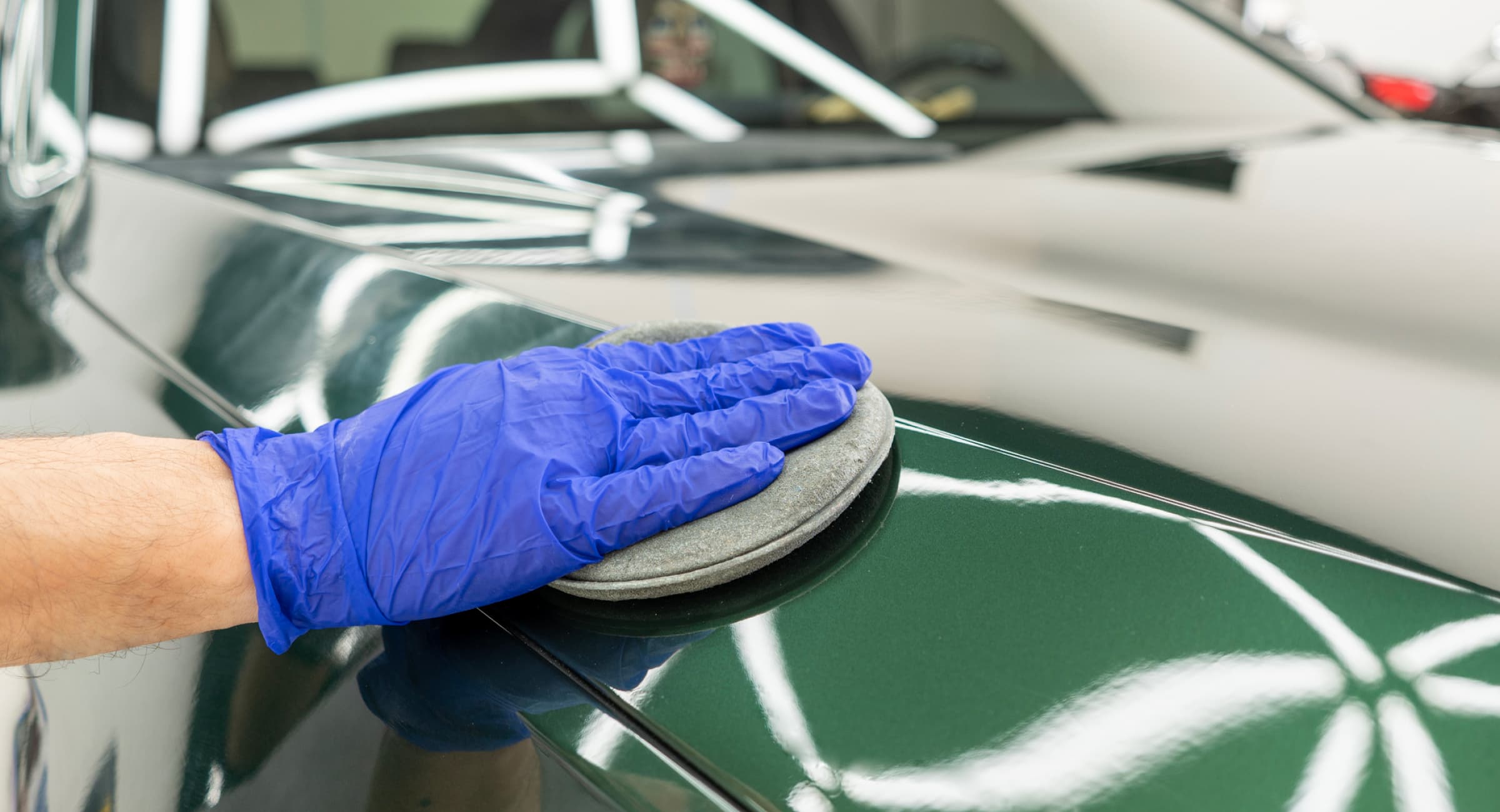
Why Your Vehicle May Need Professional Waxing
A vehicle can lose its smooth appearance for several reasons. Regular driving exposes the exterior to dirt, road residue, dust, and other contaminants that can gradually affect the paint surface. Washing alone does not always restore the finish. When the paint feels rough after cleaning or looks less reflective, a professional can inspect the surface and determine whether waxing is appropriate.
Professional car waxing can create a protective layer over properly prepared paint. This layer can help improve gloss and make the exterior easier to maintain. A trained technician can also identify whether the vehicle needs paint cleaning or surface preparation before wax application.
Tip. Always wash and dry the vehicle properly before applying any wax. Applying wax over dirt can trap contaminants against the paint and affect the final finish.
Signs Your Paint Needs Attention
A dull finish is one common sign that the paint may benefit from additional care. You may also notice reduced shine, rough paint, visible residue, or water that no longer forms consistent beads on the surface. These signs do not always mean the vehicle requires wax, but they indicate that the exterior deserves closer attention.
Professional inspection can help distinguish between simple paint protection and deeper surface correction. If the paint contains oxidation, stains, scratches, or embedded contaminants, waxing alone may not address the underlying condition. A professional can recommend the appropriate preparation before applying a protective product.
When DIY Waxing May Not Be Enough
Applying wax at home can work well when the paint is clean, smooth, and already in good condition. However, some vehicles require more preparation than a basic wash and wax routine provides. Attempting to correct these problems without the right products or techniques can create uneven coverage or leave residue on exterior surfaces.
Professional detailing services can include paint preparation, surface cleaning, polishing, and wax application when needed. This approach allows the technician to work with the actual condition of the vehicle rather than apply car waxing without checking the surface first.
A professional may be helpful when you notice
Rough paint after washing.
Uneven gloss across panels.
Persistent surface residue.
Wax buildup around trim.
Difficulty achieving an even finish.
Paint that looks dull despite regular cleaning.
Understanding Paint Preparation
Good waxing results depend heavily on preparation. Before applying automotive wax, a professional may clean the exterior thoroughly and remove contaminants that regular washing cannot eliminate. Depending on the vehicle condition, clay treatment or light paint polishing may also be appropriate.
Paint preparation helps create a cleaner surface for the wax to bond with. It can also improve the final appearance by removing minor residue that makes the paint look cloudy or uneven. Skipping preparation can reduce the effectiveness of the protective coating and make the finish appear inconsistent.
How Professional Waxing Protects Paint
Professional waxing is mainly used to provide surface protection while enhancing the appearance of automotive paint. A quality wax can create a barrier between the paint and everyday contaminants. It can also improve water behavior and give the finish a smoother, more reflective appearance.
Professional application also helps ensure that the product is spread evenly and removed correctly. Excess product can leave haze or residue, especially around edges and trim. A technician knows how to work with different paint finishes and can select products based on the vehicle surface.
Tip. If your vehicle has delicate trim, special paint, or a previously applied protective coating, ask a professional whether traditional wax is compatible before applying a new product.
Choosing the Right Time for Professional Service
There is no single schedule that works for every vehicle. The right time for professional waxing depends on how often the vehicle is driven, how it is maintained, the condition of the paint, and the type of protection already present. Instead of following a fixed routine, inspect the finish regularly and pay attention to changes in smoothness, gloss, and water behavior.
Professional advice can be particularly useful when you are unsure whether the vehicle needs another layer of car waxing or a more complete exterior detailing service. A technician can assess the paint and recommend an appropriate approach based on its current condition.
How Often Should You Consider Waxing
Waxing frequency depends on the product used, vehicle storage, washing habits, and exposure to contaminants. Some vehicles may benefit from regular protection, while others may require attention only when the finish shows signs of reduced protection or appearance.
Rather than applying wax repeatedly without checking the paint, inspect the surface during routine washing. If the finish remains smooth and protected, another application may not be necessary. If the paint begins to feel rough or loses its water beading and gloss, professional evaluation can help determine the next step.
Frequently Asked Questions
When should I get professional car waxing.
Consider professional waxing when the paint looks dull, feels rough, or has lost noticeable surface protection.
Can professional waxing remove scratches.
Wax can improve the appearance of minor surface imperfections, but it does not remove deeper scratches from the paint.
Does waxing protect automotive paint.
Wax creates a protective surface layer that can help shield properly prepared paint from everyday contaminants.
Is professional waxing better than DIY waxing.
Professional service provides proper surface preparation, product selection, and application techniques that may produce more consistent results.
How long does car wax last.
The durability depends on the wax product, paint condition, washing routine, and exposure to contaminants.
Can waxing improve vehicle appearance.
Yes, properly applied wax can enhance gloss, smoothness, and the overall appearance of a clean vehicle.