

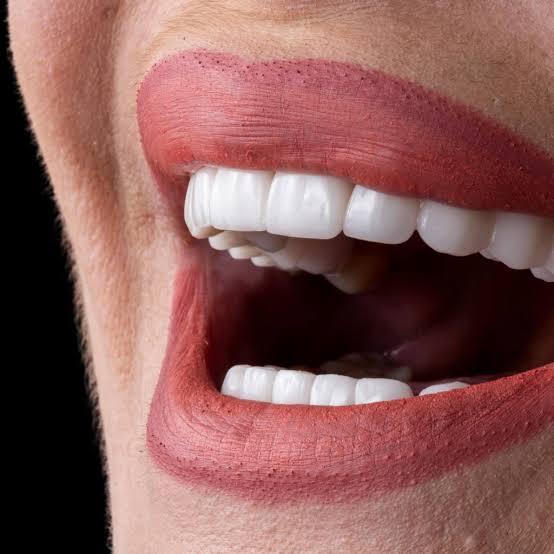
A confident smile can influence how people feel about their appearance, but not everyone is naturally happy with the shape, colour, or alignment of their teeth. Dental veneers are one option used in cosmetic dentistry to address certain aesthetic concerns while preserving a natural-looking appearance.
Choosing a veneers dentist dubai is an important part of the process because veneers require careful assessment, treatment planning, and attention to the health of the underlying teeth. Understanding the different types of veneers, their potential benefits, limitations, and aftercare can help patients have more informed conversations with their dentist.
What Are Dental Veneers?
Dental veneers are thin coverings placed on the front surfaces of teeth to improve their appearance. They are commonly made from materials such as porcelain or composite resin and are designed to complement the shape, shade, and proportions of the surrounding teeth.
Veneers may be considered for concerns such as:
- Discoloured or stained teeth
- Minor chips or worn tooth edges
- Small gaps between teeth
- Irregular tooth shapes
- Mild appearance-related alignment concerns
- Teeth that appear uneven in size or proportion
Veneers are primarily a cosmetic dental treatment. They do not replace orthodontic treatment or restorative procedures when a tooth has significant structural problems.
What Types of Dental Veneers Are Available?
The most appropriate veneer material depends on factors such as the condition of the teeth, aesthetic goals, bite, oral hygiene, and the dentist’s assessment.
Porcelain Veneers
Porcelain veneers are thin, custom-made restorations created to fit the front of individual teeth. They can be designed to closely resemble natural enamel in terms of colour and appearance.
One of their commonly discussed advantages is their ability to provide a highly aesthetic result when properly planned and maintained. However, porcelain veneers require professional evaluation and preparation, and they are not suitable for every patient.
Composite Veneers
Composite veneers are made using tooth-coloured resin that is shaped and bonded to the tooth. Depending on the case, they may require less removal of natural tooth structure than some porcelain veneer procedures.
Composite treatment can be useful for selected cosmetic concerns, although the material can be more susceptible to staining and wear compared with porcelain. The dentist needs to consider the patient’s habits, bite, and long-term expectations before recommending this option.
No-Prep or Minimal-Preparation Veneers
Some veneer techniques involve little or no removal of enamel. Whether this approach is suitable depends heavily on the existing position, size, and shape of the teeth.
Despite the name, “no-prep” does not automatically mean the treatment is reversible or appropriate for everyone. A dental examination is necessary before deciding whether minimal-preparation veneers can provide a suitable result without creating issues with tooth shape or bite.
What Are the Benefits of Dental Veneers?
Veneers can offer several cosmetic benefits when used appropriately. They are designed to improve the visible appearance of selected teeth while maintaining a natural-looking smile.
Potential benefits include:
- Improving the appearance of certain stains or discolouration
- Creating a more consistent tooth shape
- Addressing minor chips and worn edges
- Improving the appearance of small gaps
- Creating greater consistency in tooth colour
- Supporting a more balanced smile design
The result depends on factors such as the starting condition of the teeth, the chosen material, the treatment plan, and the patient’s expectations.
It is also important to understand that veneers are not a substitute for good oral health. Teeth and gums should be assessed before cosmetic treatment begins.
Who May Be Suitable for Veneers?
Veneers may be considered for adults with healthy teeth and gums who have specific cosmetic concerns they would like to address.
A dentist may first assess:
- The condition of the teeth and existing restorations
- Gum health
- The patient’s bite
- Tooth position and spacing
- Existing enamel
- Oral hygiene habits
- Any history of teeth grinding or clenching
- The patient’s desired appearance
People with untreated tooth decay, active gum disease, significant enamel damage, or certain bite problems may need other dental treatment before veneers can be considered.
This is why an individual consultation is more useful than choosing veneers based only on photographs or online examples.
How Does the Veneer Process Work?
The exact process varies according to the material and treatment plan, but it generally involves several stages.
1. Dental Examination
The dentist examines the teeth, gums, bite, and overall oral health. X-rays or other diagnostic methods may be recommended when clinically appropriate.
2. Smile and Treatment Planning
The dentist discusses the patient’s concerns and considers factors such as tooth proportions, colour, facial appearance, and the relationship between the upper and lower teeth.
Good planning is particularly important because veneers are intended to become part of the patient’s everyday smile.
3. Tooth Preparation
Depending on the selected technique, a small amount of enamel may need to be removed to create space for the veneer. The extent of preparation varies from case to case.
4. Veneer Fabrication and Placement
For porcelain veneers, impressions or digital scans may be used to create custom restorations. Once the fit and appearance are assessed, the veneers can be bonded to the teeth.
Composite veneers may be shaped directly on the tooth and then hardened and polished.
How Should You Care for Dental Veneers?
Proper maintenance helps protect both the veneers and the natural teeth underneath them. Veneers do not make a person immune to cavities, gum disease, or other dental problems.
Useful habits include:
- Brush twice a day with a fluoride toothpaste.
- Clean between the teeth every day.
- Attend regular dental examinations and professional cleanings.
- Avoid using your teeth to open packages or bite hard objects.
- Tell your dentist if you regularly grind or clench your teeth.
- Follow any personalised care instructions provided after treatment.
Although veneers are designed for everyday use, they are not indestructible. Excessive biting forces, trauma, or inappropriate habits can damage dental restorations.
Can Veneers Stain?
The answer depends partly on the material used. Porcelain is generally resistant to surface staining, while composite resin can be more prone to discolouration over time.
However, maintaining good oral hygiene remains important regardless of veneer material. Regular dental care can also help identify changes in the veneers, surrounding teeth, or gums.
Are Veneers Permanent?
Veneers are considered a long-term cosmetic dental treatment, but they are not necessarily permanent for life. Over time, a veneer may require repair or replacement because of wear, damage, changes in the underlying tooth, or other dental factors.
Their longevity varies between individuals and depends on factors such as material, oral hygiene, bite forces, diet, dental habits, and professional maintenance.
A dentist should explain these considerations before treatment so that patients understand the long-term commitment.
Why Is Choosing the Right Dentist Important?
Cosmetic dentistry involves more than simply placing a covering over a tooth. The dentist needs to evaluate dental health, tooth proportions, bite, gum appearance, and the patient’s expectations.
When looking for a veneers dentist in Dubai, patients can consider:
- Relevant cosmetic dentistry experience
- A thorough consultation process
- Clear explanations of treatment options
- Proper assessment of oral health before treatment
- Transparent discussion of limitations and maintenance
- A treatment plan based on individual dental needs
A natural-looking result should take into account the patient’s overall smile rather than making every tooth look identical.
At DentisTree Dental Clinic, discussions about veneers can be approached as part of an overall dental assessment, allowing patients to understand whether veneers are appropriate for their particular cosmetic concerns.
Frequently Asked Questions
1. Are dental veneers painful?
Veneer treatment is generally performed with local anaesthesia when needed, particularly if tooth preparation is required. Some patients may experience temporary sensitivity after treatment, but the level of discomfort varies depending on the procedure and individual sensitivity.
2. How many teeth need veneers?
There is no fixed number. Some people may need veneers on only one or two teeth, while others may consider several teeth to create a more consistent appearance. The number depends on the patient’s concerns, smile design, and dental assessment.
3. Can veneers fix crooked teeth?
Veneers can sometimes improve the appearance of mildly irregular or uneven teeth, but they do not physically straighten teeth in the same way as orthodontic treatment. More significant alignment problems may require orthodontic evaluation.
4. Can I eat normally with veneers?
Most people can eat normally after getting accustomed to their veneers. However, biting very hard objects or using the teeth to open packaging can increase the risk of damaging dental restorations.
5. Are veneers suitable for everyone?
No. Veneers are not appropriate for every patient. Tooth decay, gum disease, significant tooth damage, severe bite problems, or uncontrolled teeth grinding may affect suitability. A dentist should assess the individual’s oral health and treatment goals before recommending veneers.
Conclusion
Dental veneers can be a useful cosmetic option for people who want to address specific concerns involving tooth colour, shape, minor chips, or small gaps. Understanding the available materials, preparation requirements, limitations, and long-term care is essential before making a decision.
A consultation with DentisTree Dental Clinic can help patients understand their options and determine whether veneers are appropriate for their individual dental needs. The goal should always be a healthy, functional, and natural-looking smile rather than simply changing the appearance of the teeth.