

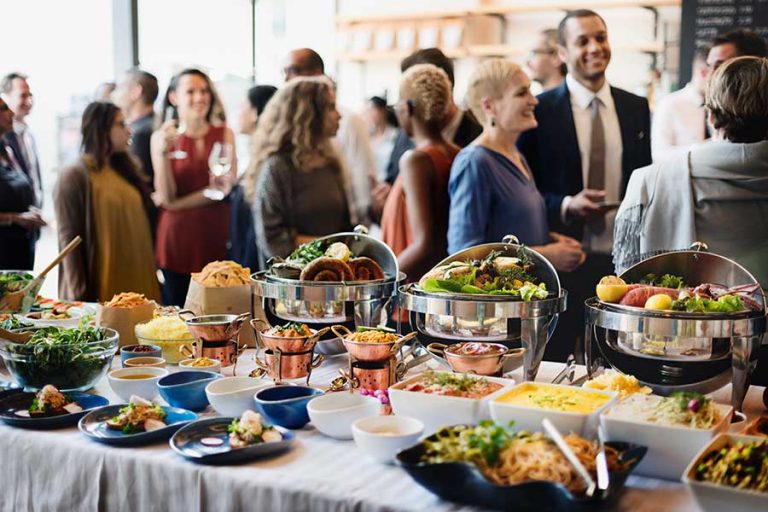
The intersection of culinary excellence and professional productivity is a domain that many organizations are now beginning to master. For decades, the concept of office food was relegated to uninspired sandwich platters and lukewarm coffee, viewed more as a logistical necessity than a cultural asset. However, as the boundaries of the traditional workplace continue to evolve, the communal meal has emerged as a powerful tool for fostering engagement, retention, and innovation. Designing a food program that satisfies a diverse workforce while aligning with brand values requires a sophisticated approach to menu engineering and service delivery.
When a company invests in a high-caliber dining program, it is effectively investing in its own social infrastructure. The shared table is perhaps the only place in a modern office where hierarchical silos naturally dissolve, allowing for the cross-pollination of ideas between junior associates and executive leadership. This informal exchange is the bedrock of a healthy corporate culture. By moving toward a model that prioritizes fresh, seasonal ingredients and globally-inspired flavor profiles, firms can transform a standard break into a restorative experience that fuels the mental and emotional well-being of their teams.
The Evolution of Nutritional Standards in the Office
The relationship between diet and cognitive function is well-documented, yet it is often overlooked in the planning of professional events. High-performance teams require fuel that supports sustained focus rather than short-term energy spikes. This means moving away from heavy, carbohydrate-laden meals that trigger the inevitable afternoon slump. Instead, the focus should be on “brain foods”—ingredients rich in omega-3 fatty acids, antioxidants, and complex fibers that support neurotransmitter function and steady blood sugar levels.
Incorporating vibrant, plant-forward dishes into the daily rotation is no longer just a trend for the health-conscious; it is a strategic move for productivity. Leafy greens, roasted nuts, lean proteins, and ancient grains like quinoa and farro provide the essential nutrients needed for high-level problem solving. When a menu is designed with these physiological needs in mind, the result is a workforce that remains sharp and energized throughout the entire business day. This commitment to nutritional integrity demonstrates a profound level of care for the employee as a whole person, not just a unit of production.
Navigating the Logistics of Inclusive Menu Design
In today’s professional landscape, inclusivity is a core value that must extend to the dining table. A “one-size-fits-all” approach to food is no longer viable given the wide spectrum of dietary requirements, including gluten-free, vegan, keto, and allergen-specific needs. A truly professional food service integrates these requirements into the primary menu rather than treating them as restrictive outliers. This ensures that every member of the team, regardless of their dietary choices or medical necessities, feels equally valued and accommodated.
Achieving this level of inclusivity requires a high degree of culinary creativity. For example, a chef might design a Mediterranean-inspired spread where the majority of components are naturally plant-based and gluten-free, with high-quality animal proteins served as optional additions. This “build-your-own” modularity allows guests to customize their plates to their specific needs without feeling singled out. Clear, elegant labeling that identifies ingredients and common allergens is also essential for providing a safe and stress-free dining environment for all attendees.
The Role of Aesthetics and Branding in Service
The visual presentation of food serves as a silent communicator of a company’s standards and attention to detail. A cluttered or uninspired buffet can detract from the prestige of a high-stakes meeting, whereas a curated, aesthetically pleasing arrangement reinforces a brand’s commitment to excellence. Professional food service is, in many ways, a form of internal marketing. The use of sustainable serving ware, natural textures, and vibrant color palettes creates a sensory experience that resonates with employees and clients alike.
Beyond the food itself, the “theater of service” plays a significant role in the overall perception of the event. This includes the professionalism of the staff, the cleanliness of the setup, and the flow of the room. A well-organized service area minimizes wait times and allows for a seamless transition from work to dining. By treating the midday meal with the same level of care as a client-facing presentation, an organization signals that it values quality in every facet of its operations, creating a cohesive and impressive environment.
Strategic Benefits of Professional Dining Solutions
Outsourcing the complexities of food management to experts allows a company to focus on its core competencies while ensuring a high standard of hospitality. Managing the nuances of food safety, temperature control, and volume for a large group is a specialized skill set. A dedicated partner in corporate catering understands that every event is a reflection of the host’s reputation. They provide the logistical backbone necessary to execute flawless transitions, from the initial menu consultation to the final cleanup, ensuring that the host can engage fully with their guests or team.
This partnership also brings an element of novelty and variety to the workplace. Professional services have access to a wider array of global ingredients and culinary techniques than an in-house amateur could provide. This allows for rotating “theme days” or seasonal menus that keep the dining experience fresh and exciting. Over time, this variety prevents “menu fatigue” and keeps the workforce engaged with the company’s food program. Ultimately, the goal is to create a seamless, high-value service that functions as a natural extension of the company’s internal culture and operational excellence.
Sustainability and Ethical Sourcing in Food Service
As environmental responsibility becomes a priority for modern businesses, the ethics of food sourcing have moved to the forefront of the conversation. Employees, particularly those in younger demographics, are increasingly concerned with where their food comes from and the environmental impact of its production. A professional dining program should reflect these values by prioritizing local farmers, sustainable fisheries, and fair-trade products. This not only supports the local economy but also results in fresher, more flavorful meals.
Waste management is the other side of the sustainability coin. Efficient planning and portion control are essential for minimizing the environmental footprint of large-scale meals. Professional services utilize sophisticated data to predict the necessary quantities, reducing surplus. Furthermore, the use of compostable packaging or reusable serving dishes helps align the company’s dining habits with its broader sustainability goals. When an organization can point to a dining program that is both delicious and ethically sound, it strengthens its position as a forward-thinking and responsible corporate citizen.
Creating a Legacy of Hospitality and Connection
The long-term impact of a superior food program is measured in the strength of the relationships it builds. A company that prioritizes the communal meal is a company that understands the human need for connection. These moments of shared experience become the stories that define an office culture—the celebration of a major milestone, the welcome lunch for a new hire, or the casual Friday gathering. These rituals create a sense of continuity and belonging that is vital for a thriving workplace.
In an era where remote and hybrid work models are common, the “anchor” of a high-quality office meal can be a powerful incentive for teams to gather in person. It provides a tangible reason to come into the office, offering an experience that cannot be replicated through a screen. By investing in the quality of the ingredients and the professionalism of the service, an organization creates a lasting legacy of hospitality that resonates far beyond the dining room.
Conclusion
The transformation of the professional meal from a mere utility to a strategic asset is a hallmark of the most successful modern organizations. By focusing on nutritional density, dietary inclusivity, and impeccable service, a business can elevate its internal culture and drive collective performance. A well-executed food program is not just about eating; it is about creating an environment where people feel seen, supported, and energized to do their best work.
As we look toward the future, the integration of high-end dining into the professional sphere will continue to be a key differentiator for top-tier employers. It is a visible, tactile representation of a company’s values and its commitment to its people. Providing a space for nourishment and connection is a fundamental act of leadership that pays dividends in loyalty and creativity.