

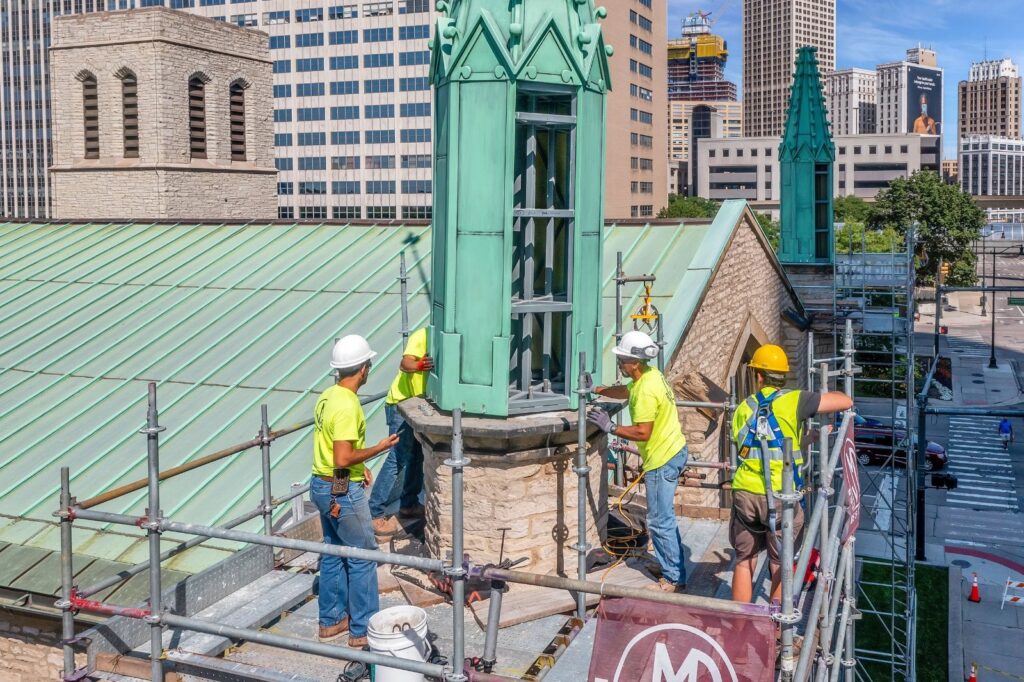
Historic buildings are more than architectural landmarks. They represent cultural identity, engineering achievements, and generations of community history. Preserving these structures requires careful planning because aging materials, environmental exposure, previous renovations, and changing building standards can all affect structural stability. Successful restoration balances historical authenticity with modern engineering practices, ensuring that valuable buildings remain safe, functional, and true to their original character.
Unlike new construction, restoration projects present unique challenges that demand detailed investigation before any repair work begins. Engineers must understand original construction methods, evaluate existing structural conditions, identify hidden deterioration, and recommend solutions that strengthen the building without compromising its historical significance. Every decision influences both the structural integrity and long-term preservation of the property.
Successful Structural Engineering for Historic Restoration requires a thoughtful combination of engineering expertise, material analysis, historical research, and practical problem-solving. By carefully assessing each structure’s unique characteristics, engineers can develop restoration strategies that preserve architectural value while meeting modern safety expectations. This balanced approach protects irreplaceable buildings and supports their continued use for future generations.
Understanding the Complexity of Historic Structures
Historic buildings were often constructed using materials, techniques, and design standards that differ significantly from today’s engineering practices. Masonry walls, timber framing, cast iron, and early concrete systems each present distinct challenges during restoration.
A comprehensive structural assessment evaluates foundation performance, load-bearing systems, material condition, moisture intrusion, settlement, and previous modifications. Understanding how these components interact allows engineers to identify areas requiring reinforcement while minimizing unnecessary alterations. Careful investigation reduces the likelihood of unexpected complications during construction and helps preserve original architectural features.
Detailed Structural Assessments
Every successful restoration project begins with an accurate understanding of existing conditions. Visual inspections alone are rarely sufficient for evaluating aging structures, making comprehensive investigations essential before repairs begin.
Structural assessments often include:
- Material evaluations
- Foundation inspections
- Crack analysis
- Load path reviews
- Moisture assessments
- Structural movement monitoring
These investigations provide valuable information that guides restoration planning and supports informed engineering decisions. Early identification of structural concerns also helps property owners prioritize repairs and manage project costs more effectively.
The Role of Forensic Engineering in Building Evaluation
When structural damage occurs unexpectedly, understanding the underlying cause becomes essential for developing effective repair strategies. Damage may result from weather events, construction defects, material deterioration, excessive loading, or long-term environmental exposure.
A Structural Forensic Engineer performs systematic investigations to determine why structural failures develop and how they can be addressed safely. By analyzing evidence, reviewing construction history, evaluating structural performance, and documenting findings, forensic specialists provide objective conclusions that support repair planning, insurance evaluations, and technical decision-making. Their expertise helps distinguish between cosmetic damage and conditions that require immediate structural attention.
Balancing Preservation with Modern Standards
Historic restoration requires engineers to respect original architectural character while ensuring buildings comply with contemporary safety expectations. This balance often involves creative engineering solutions that strengthen existing structures without significantly altering their appearance.
Sensitive reinforcement techniques, carefully selected materials, and minimally invasive repair methods help preserve historical integrity while improving structural reliability. Collaboration between engineers, architects, contractors, and preservation specialists supports practical solutions that protect both structural performance and cultural significance.
Successful restoration demonstrates that historic preservation and modern engineering can work together without compromising either objective.
Long-Term Structural Durability
Restoration should always focus on extending a building’s lifespan rather than simply repairing visible damage. Long-term durability depends on identifying underlying weaknesses and implementing improvements that reduce future deterioration.
Preventive strategies often include:
- Moisture management
- Structural reinforcement
- Material preservation
- Foundation stabilization
- Routine inspections
- Maintenance planning
These proactive measures help reduce future repair requirements while preserving valuable architectural assets for decades to come. Ongoing monitoring also allows owners to identify developing concerns before they become major structural problems.
Engineering Expertise Supported by Evidence
Reliable engineering decisions are based on detailed investigation, technical knowledge, and objective analysis rather than assumptions. Engineers evaluate structural performance using recognized engineering principles, documented observations, material behavior, and applicable building standards to recommend practical solutions.
Clear communication is equally important throughout restoration projects. Property owners, contractors, and stakeholders benefit from understandable technical explanations that support informed decision-making. Firms such as Preeminent Solutions emphasize comprehensive evaluation, evidence-based recommendations, and collaborative project planning to help clients navigate complex structural restoration challenges with confidence.
Collaboration Throughout Restoration Projects
Historic preservation is rarely accomplished by one discipline alone. Engineers, architects, conservation specialists, contractors, and property owners each contribute valuable expertise that supports successful project outcomes.
Open communication throughout planning, design, and construction helps ensure that structural improvements align with preservation objectives. Regular coordination also reduces misunderstandings, improves construction efficiency, and allows technical challenges to be resolved before they affect project timelines or budgets.
Collaboration ultimately strengthens both the restoration process and the long-term performance of the completed structure.
Building Confidence Through Professional Structural Evaluation
Historic buildings deserve engineering solutions that respect their past while preparing them for the future. Careful investigation, thoughtful planning, and technically sound rehabilitation create safer structures without sacrificing their architectural identity or historical significance.
Whether preserving heritage buildings, evaluating structural damage, or supporting complex construction disputes, experienced engineering guidance provides lasting value. Comprehensive assessments, detailed documentation, and objective technical analysis offered by a Design Defect Expert Witness and Structural Engineer help property owners, legal professionals, and project teams make informed decisions that protect structural integrity while supporting responsible restoration for generations to come.