

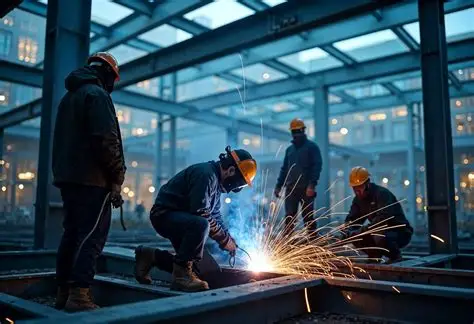
Steel fabrication is a core industrial process that transforms raw steel into structured components used in construction, manufacturing, infrastructure, and engineering projects. In 2026, steel fabrication continues to evolve with advanced automation, precision engineering, and sustainable production methods, making it a critical part of modern industrial development.
This guide explains everything about steel fabrication, including its processes, types, applications, and latest industry trends.
Table of Contents
- What is Steel Fabrication
- Steel Fabrication Process Explained
- Types of Steel Fabrication
- Applications of Steel Fabrication
- Benefits of Steel Fabrication
- Materials Used in Steel Fabrication
- Modern Trends in Steel Fabrication (2026)
- How to Choose a Steel Fabrication Company
- FAQs
- Conclusion
What is Steel Fabrication?
Steel fabrication is the process of cutting, shaping, bending, and assembling steel into finished structures or components. These components are used in buildings, bridges, warehouses, industrial plants, and machinery.
A typical steel fabrication process involves engineering design, material selection, machining, welding, and final assembly.
Steel Fabrication Process Explained
The steel fabrication process involves multiple stages to ensure strength, accuracy, and durability.
1. Design and Engineering
The process begins with detailed structural design using CAD software. Engineers create precise blueprints based on project requirements.
2. Material Selection
High-quality steel is selected based on strength, durability, and project specifications.
3. Cutting
Steel is cut into required shapes using tools such as:
- Laser cutting machines
- Plasma cutting systems
- Shearing equipment
4. Bending and Shaping
Steel components are shaped using press brakes and rolling machines to achieve required angles and curves.
5. Welding and Assembly
Individual components are joined using welding techniques such as MIG, TIG, or arc welding.
6. Surface Treatment
To improve durability, steel undergoes finishing processes such as:
- Painting
- Powder coating
- Galvanizing
7. Quality Inspection
Final products are tested for strength, accuracy, and safety compliance before delivery.
Types of Steel Fabrication
Different industries require different fabrication methods depending on project complexity.
Structural Steel Fabrication
Used in construction projects such as buildings, bridges, and warehouses.
Industrial Fabrication
Used for manufacturing plants, machinery components, and heavy industrial equipment.
Commercial Fabrication
Used in shopping centers, office buildings, and architectural structures.
Custom Steel Fabrication
Designed for unique project requirements with specialized engineering.
Heavy Steel Fabrication
Used for large-scale infrastructure and high-load industrial systems.
Applications of Steel Fabrication
Steel fabrication is widely used across multiple industries:
Construction Industry
- Buildings
- Bridges
- Warehouses
- Stadiums
Industrial Sector
- Manufacturing plants
- Machinery frames
- Equipment structures
Infrastructure Projects
- Road bridges
- Rail systems
- Power plants
Commercial Sector
- Shopping malls
- Office buildings
- Architectural structures
Logistics and Warehousing
- Storage racks
- Warehouse frameworks
- Industrial shelving systems
Benefits of Steel Fabrication
Steel fabrication offers several advantages in modern construction and industry.
High Strength and Durability
Steel structures can withstand heavy loads and harsh environmental conditions.
Design Flexibility
Steel can be shaped into complex and customized structures.
Cost Efficiency
Reduces long-term maintenance and replacement costs.
Fast Construction
Pre-fabricated steel components speed up project completion.
Sustainable Material
Steel is recyclable, making it an eco-friendly construction material.
Materials Used in Steel Fabrication
Common materials used in fabrication include:
- Carbon steel
- Stainless steel
- Alloy steel
- Galvanized steel
Each material is selected based on strength, corrosion resistance, and application needs.
Modern Trends in Steel Fabrication (2026)
The steel fabrication industry is rapidly evolving with new technologies.
Automation and Robotics
Automated systems improve precision and production efficiency.
Digital Engineering
3D modeling and CAD systems enhance design accuracy.
Sustainable Manufacturing
Eco-friendly production methods reduce environmental impact.
Modular Construction
Pre-engineered steel components reduce construction time.
Smart Fabrication Systems
IoT and AI are being used for monitoring and production optimization.
How to Choose a Steel Fabrication Company
Selecting the right fabrication partner is essential for project success.
Consider:
- Industry experience
- Manufacturing capability
- Material quality
- Certifications and compliance
- Project portfolio
- Delivery timelines
A reliable company ensures structural safety and project efficiency.
Frequently Asked Questions
What is steel fabrication used for?
Steel fabrication is used to create structural components for buildings, machinery, and industrial systems.
What are the main steps in steel fabrication?
Design, cutting, shaping, welding, finishing, and quality inspection.
Why is steel fabrication important?
It provides strong, durable, and customizable structural solutions for modern construction.
Is steel fabrication expensive?
Costs depend on material type, design complexity, and project size.
Conclusion
Steel fabrication is a vital industrial process that supports construction, infrastructure, and manufacturing industries worldwide. With advancements in automation and sustainable engineering in 2026, steel fabrication continues to deliver stronger, more efficient, and more cost-effective solutions for modern projects.
Choosing the right materials, processes, and fabrication partner ensures long-lasting structural performance and successful project execution.