

Understanding Minimalist Streetwear
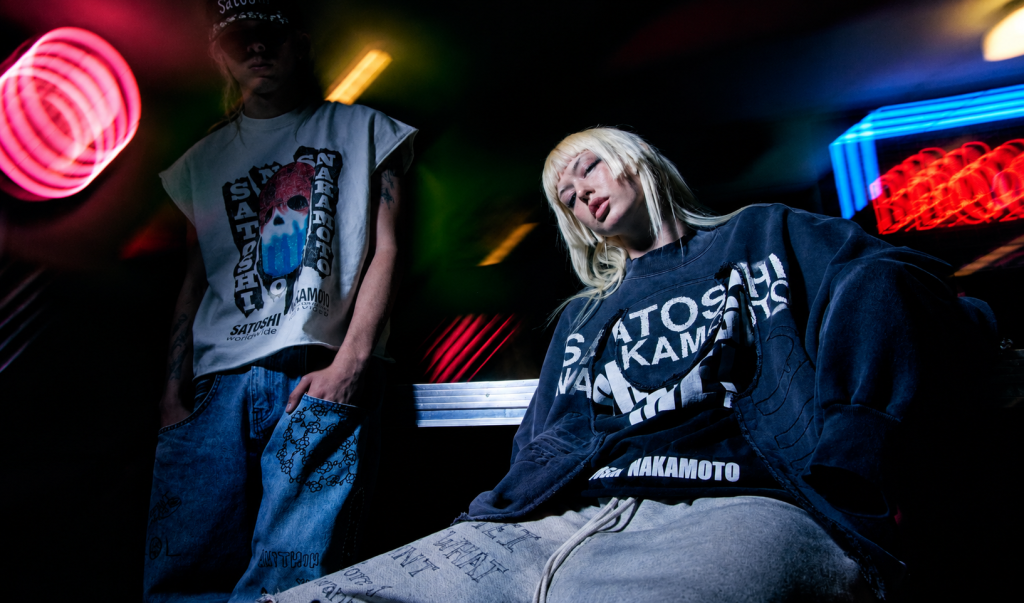
Minimalist streetwear proves that an outfit does not need numerous layers, bright colors, or complicated accessories to make an impression. It focuses on clean combinations, balanced proportions, and carefully selected details. Satoshi Nakamoto Clothing can inspire a modern approach to everyday dressing where comfort and individuality remain important without overwhelming the overall look. By choosing versatile pieces and coordinating them thoughtfully, you can create outfits that feel relaxed, refined, and suitable for different daily activities.
Starting With a Simple Color Palette
A limited color palette makes minimalist styling easier because individual garments can be combined without much effort. Black, white, grey, beige, and navy are useful starting points for a flexible wardrobe. You can create an outfit using two complementary shades or build a monochromatic look with different tones of the same color. The goal is to maintain visual consistency while allowing the silhouette and details of each piece to stand out. Once you have established a dependable neutral foundation, you can introduce an occasional accent color to add personality.
Choosing Clean and Comfortable Silhouettes
The shape of your clothing plays a significant role in minimalist streetwear. Straight-leg trousers, relaxed T-shirts, simple sweatshirts, and understated outerwear can create a balanced appearance without relying on elaborate designs. Focus on how each piece fits around the shoulders, waist, and legs. Relaxed clothing can still look structured when the lengths and proportions work together. Avoid selecting every garment in an oversized fit without considering the complete silhouette. A combination of loose and more defined shapes often creates a cleaner result while preserving the casual character of streetwear.
Building Outfits Around Plain T-Shirts
A plain T-shirt is one of the most useful pieces in a minimalist wardrobe. It can be worn with denim, relaxed trousers, or shorts, making it suitable for numerous everyday combinations. White and black tees offer particularly broad styling flexibility, while grey and earthy shades provide alternatives that remain understated. Pay attention to the neckline, sleeve length, and overall fit because small details become more noticeable in a simple outfit. A well-chosen T-shirt can also serve as a base layer beneath a flannel shirt, sweatshirt, or jacket when additional coverage is needed.
Styling Sweatshirts With Understated Details
Sweatshirts can introduce comfort and structure without making a minimalist outfit feel complicated. Pair a simple sweatshirt with straight-leg trousers and clean sneakers for a relaxed everyday appearance. If the sweatshirt features a graphic or prominent detail, keep the other pieces relatively quiet so the design remains the main focus. Neutral sweatshirts are especially useful because they can work with several different bottoms. Choosing a versatile shape and color allows the same garment to support multiple outfits rather than becoming associated with just one specific combination.
Using Shirts to Add Subtle Variety
Shirts can bring variation to minimalist streetwear while keeping the overall appearance clean. A plain shirt worn with neutral trousers creates a straightforward combination, while an open shirt over a basic tee introduces a little more dimension. If you prefer patterns, choose designs with colors that complement the rest of your wardrobe. A restrained check or subtle stripe can add interest without dominating the outfit. Think about how the shirt looks both open and buttoned so that it remains useful across different temperatures and styling preferences.
Creating Balance With Relaxed Trousers
Trousers influence the overall shape of a minimalist outfit, so their fit deserves careful attention. Straight-leg and relaxed styles often work well with simple tops because they create a clear, uncluttered silhouette. Sweatpants can also fit into minimalist streetwear when their color and shape coordinate with the rest of the outfit. Consider the length of the trousers and how the hem sits around your footwear. Small adjustments to proportion can make a basic combination look more intentional without requiring additional layers or accessories.
Selecting Footwear for a Clean Finish
Footwear can complete a minimalist outfit without drawing unnecessary attention away from the clothing. Satoshi Nakamoto Vans can be styled with simple tees, relaxed trousers, shorts, and understated outerwear, depending on the design and color. Neutral footwear often offers flexibility, while a contrasting pair can create a focal point in an otherwise restrained combination. Keep your shoes in good condition and consider whether their shape works with the width and length of your trousers. A coordinated finish helps the entire outfit feel connected rather than assembled from unrelated pieces.
Keeping Accessories Functional
Minimalist styling does not require eliminating accessories entirely. Instead, it encourages choosing items that serve a purpose and complement the outfit. A simple cap, understated jewelry, or practical bag can add a personal detail without creating visual clutter. Satoshi Nakamoto Bag styling can fit into this approach when the bag’s shape, size, and color coordinate with the clothing. Choose an option that accommodates your daily essentials and suits your routine. A useful accessory that works with several outfits is often more valuable than one that only matches a single look.
Using Layers Without Adding Clutter
Layering can work well in minimalist streetwear when every garment contributes something useful. A plain tee beneath an open shirt creates a subtle contrast, while a sweatshirt under a simple jacket adds warmth and depth. Try to keep the colors coordinated and the garment lengths compatible. Too many competing layers can make an outfit appear unnecessarily busy, so select only what the weather and overall look require. When each piece has a clear role, layering adds versatility while preserving the clean appearance that defines minimalist styling.
Exploring Monochrome Outfit Combinations
Monochrome outfits use different shades of one color family to create a coordinated appearance. An all-black combination can feel understated, while an outfit built around cream, beige, or grey can create a softer effect. To keep the result visually interesting, vary the fit, texture, and shape of the garments. For example, a relaxed top with straight-leg trousers creates more dimension than clothing with identical proportions. You can also introduce a small contrasting accessory if you want to break up the color scheme without losing its overall simplicity.
Adapting Minimalist Streetwear to Different Settings
Minimalist streetwear can suit a range of casual settings because it relies on versatile basics rather than highly specific outfit formulas. For a daytime outing, a T-shirt, trousers, and sneakers may be sufficient. For cooler weather, add a simple overshirt or jacket. When meeting friends, you can create a slightly more considered look by coordinating the colors and choosing well-maintained footwear. The same core garments can work in different combinations, allowing you to adjust the outfit to your plans without needing a separate wardrobe for every occasion.
Maintaining a Thoughtful Wardrobe
A minimalist wardrobe works best when every item earns its place. Before purchasing something new, consider whether it coordinates with several pieces you already own. Look for garments that fit comfortably, suit your preferred style, and can be worn in different combinations. Regularly reviewing your clothing can also help identify items you rarely use. Caring for garments according to their labels and storing them properly helps maintain their appearance over time. This thoughtful approach encourages more practical choices and makes everyday outfit planning less complicated.
Making Minimalism Personal
Minimalist streetwear should not mean dressing exactly like everyone else. Personal style can appear through the proportions you prefer, the shades you repeatedly choose, or the details that make certain pieces distinctive. Some people enjoy nearly monochromatic outfits, while others prefer neutral foundations with occasional graphics or contrasting footwear. Satoshi Nakamoto Clothing can serve as inspiration as you explore these choices and develop combinations that suit your routine. Keep the principles of simplicity and balance in mind, but allow your preferences to determine how you interpret them.
Final Thoughts on Minimalist Streetwear
Clean everyday outfits are created through thoughtful choices rather than a large collection of clothing. A practical color palette, comfortable silhouettes, versatile tops, coordinated trousers, suitable footwear, and useful accessories provide a strong foundation. By paying attention to fit and limiting unnecessary visual clutter, you can create outfits that feel contemporary without becoming complicated. Minimalist streetwear leaves room for individuality while making daily dressing easier. Start with the essentials you enjoy wearing and gradually build combinations that reflect your own approach to casual fashion. Drew House Shirt
Frequently Asked Questions
What Defines Minimalist Streetwear?
Minimalist streetwear combines casual clothing with simple colors, balanced proportions, and restrained details. It prioritizes versatility and comfort while leaving room for individual expression.
Which Colors Work Best for Minimalist Outfits?
Black, white, grey, navy, and earthy shades are useful choices because they coordinate easily. You can introduce an accent color when you want additional variety.
Can Graphic Clothing Work With Minimalist Streetwear?
Yes. Choose one graphic piece as the main focus and pair it with simpler garments. This preserves the clean appearance while adding personality.
How Many Accessories Should I Wear With a Minimalist Outfit?
There is no fixed number. Choose accessories based on their usefulness and how well they complement the clothing. A few coordinated items can be enough to finish the look.