

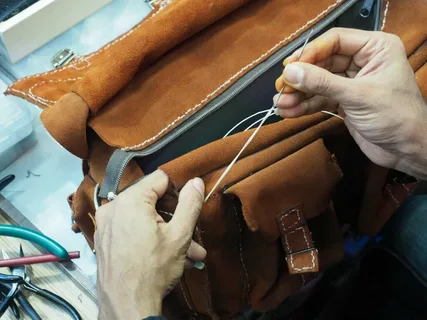
A damaged suitcase zipper can become a serious problem when you are preparing for a trip. A zipper may get stuck, separate while closing, lose its pull tab, or become difficult to move. In many cases, the suitcase itself is still in good condition and only the zipper needs attention.
Knowing the common causes of zipper problems can help you decide whether a small fix is enough or whether you should look for luggage zipper repair Dubai services.
Why Suitcase Zippers Start Failing
Luggage zippers go through repeated stress. They are opened and closed often, pulled across packed bags, and exposed to dust and rough handling during travel.
Over time, the slider can become loose or worn. Dirt can also collect around the zipper track and make movement difficult.
Overpacking is another common cause. When a suitcase is filled beyond its comfortable capacity, the zipper has to work against extra pressure. This can make the slider harder to move and may eventually damage the zipper.
A zipper problem does not always mean the entire suitcase needs replacing.
1. The Zipper Gets Stuck
A stuck zipper is one of the easiest problems to notice.
The slider may move a short distance and then stop. Sometimes fabric, thread, or dirt gets caught inside the zipper. In other cases, the zipper may simply need cleaning or suitable lubrication.
Do not pull the slider aggressively.
Excessive force can bend the slider or damage the zipper tape. First check whether anything is caught in the track. If the problem continues, professional inspection may prevent further damage.
2. The Zipper Opens Behind the Slider
Another common problem occurs when the zipper appears to close but immediately separates behind the slider.
This often points to a worn or loose slider. The slider may no longer hold both sides of the zipper together correctly.
The zipper teeth may still be perfectly usable.
Depending on the design, replacing the slider may solve the problem without replacing the entire zipper. A technician can inspect the slider and determine whether it can be adjusted or needs replacement.
3. The Zipper Pull Has Broken
The small pull tab is easy to overlook until it breaks.
Without the pull, opening and closing the suitcase becomes difficult. Fortunately, a broken pull does not necessarily mean the whole zipper is damaged.
A replacement pull may be enough if the slider itself is still working correctly.
However, if the slider is also worn, replacing only the pull may provide a temporary solution rather than fixing the underlying issue.
4. Missing or Damaged Zipper Teeth
Zipper teeth or coils are more difficult to repair.
If only a slider is damaged, the repair may be relatively simple. Missing teeth, however, can prevent the zipper from closing properly.
Inspect the entire zipper track instead of focusing only on the point where the problem first appeared.
If several teeth are missing or the zipper tape has separated from the suitcase fabric, professional repair is usually more appropriate.
5. The Zipper Has Come Away From the Fabric
Sometimes the zipper itself is not the main problem.
The stitching or fabric holding the zipper to the suitcase may become loose after repeated use. This can happen around corners or areas that receive more pressure.
A loose zipper edge can continue to separate if the suitcase is used without repair.
In this situation, simply changing the slider may not solve the problem. The zipper may need to be secured back to the bag or replaced depending on the extent of the damage.
Check the Suitcase Before Repairing the Zipper
Before deciding what repair is needed, inspect the rest of the suitcase.
Check the wheels, handle, shell, stitching, locks, and other attachment points.
If several parts are damaged, you may need a broader luggage repair service in Dubai rather than focusing only on the zipper.
A full inspection can help determine whether repairing the zipper makes sense or whether several components need attention at the same time.
When Should You Avoid DIY Repairs?
Some minor zipper issues can be handled with basic care, but not every problem should be repaired at home.
Avoid using excessive pressure on a stuck slider. Do not cut the zipper tape unless you know how it will be repaired afterward.
You should also be careful with expensive or branded luggage. A poorly performed repair can damage the fabric, stitching, or appearance of the suitcase.
If the zipper has missing teeth, torn fabric, or structural damage, professional assistance is often a safer option.
How to Reduce Future Zipper Problems
A few simple habits can help extend the life of a suitcase zipper.
First, avoid overpacking. The zipper should close without requiring significant force.
Second, keep the zipper track clean. Dust, threads, and small pieces of fabric can interfere with the slider.
Third, close the suitcase carefully. If the slider meets resistance, check the reason instead of pulling harder.
Finally, inspect the zipper before every major trip. Finding a weak slider at home is much easier than discovering the problem at an airport.
Is It Better to Repair or Replace the Suitcase?
The answer depends on the condition and value of the luggage.
If the shell, wheels, handle, and interior are still in good condition, repairing a zipper can extend the useful life of the suitcase.
Replacement may make more sense when the bag has several major problems or when the repair would cost close to the value of the suitcase.
A technician can assess the condition and explain whether a zipper repair, component replacement, or more extensive work is appropriate.
Final Thoughts
A broken suitcase zipper does not automatically mean you need a new bag.
Stuck sliders, worn zipper pulls, loose sliders, and minor stitching problems can often be addressed before they become larger issues. The important step is to identify the actual cause instead of forcing the zipper and creating additional damage.
If your suitcase has a zipper problem, luggage zipper repair Dubai can help restore the bag and prepare it for future travel.
Regular inspection, careful packing, and timely repairs can also help prevent a small zipper problem from becoming a major luggage failure just before your next trip.