

The quality of the water flowing from your kitchen tap has a direct impact on the health and daily well-being of your entire household. With emerging awareness regarding municipal water challenges and microscopic pollutants, many families are actively evaluating advanced filtration technologies to safeguard their drinking supplies. Among the various methods available on the market today, reverse osmosis stands out as a highly trusted option for comprehensive purification. However, as its popularity continues to grow, consumers frequently raise questions regarding the overall safety and long-term health implications of consuming such highly purified water on a daily basis.
Understanding how this process alters your tap water is essential to making an informed decision for your family. Some critics argue that the technology removes too many elements from the water, while proponents highlight its unmatched ability to strip away dangerous chemical and biological compounds. Navigating these conflicting viewpoints requires a deep look into the actual mechanics of modern filtration systems and the scientific realities of human nutrition. By evaluating the facts, you can separate common myths from reality and understand why this method remains a gold standard for clean drinking water globally.
Investing in an osmosis water system for home filtration allows you to take direct control over your environment instead of relying solely on aging municipal infrastructure. These advanced setups use household water pressure to force tap water through a multi-stage filtration process that separates pure water molecules from a wide array of dissolved solids and impurities. The resulting liquid provides an exceptionally clean taste and a significant reduction in potential health hazards. Understanding the specific mechanics behind this process clarifies exactly why the final output is not only safe but often superior to standard tap or bottled alternatives.
Understanding Reverse Osmosis Filtration
The core mechanism of a reverse osmosis system relies on a specialized semipermeable membrane that acts as an ultra-fine physical barrier. Standard filtration systems typically rely on simple carbon blocks or sediment mesh to catch particles based on visible size, which leaves dissolved chemicals and microscopic pathogens untouched. In contrast, reverse osmosis applies pressure to push water molecules through pores that are so microscopic they are measured at the molecular level. This ensures that only pure water vapors and tiny molecules pass through to the storage tank while the concentrated contaminants are rinsed away down the drain line.
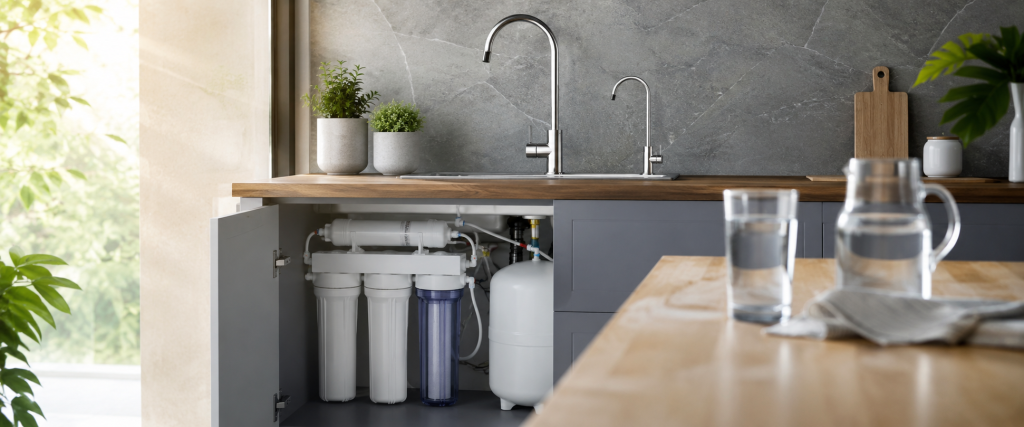
A comprehensive residential setup does not rely on the semipermeable membrane alone but utilizes a series of strategic stages to optimize water quality. The first stage typically involves a mechanical sediment prefilter designed to capture larger particles like silt, rust, and scale. This initial step is critical because it prevents large debris from premature fouling or damaging the delicate membrane later in the process. By removing these coarse materials first, the system ensures a steady flow rate and protects the structural integrity of the primary filtration components.
Following the sediment stage, the water passes through an activated carbon prefilter which targets chemical disinfectants added by municipal treatment plants. Chlorine and chloramines are heavily used by cities to kill bacteria during transit, but they introduce unpleasant tastes, strong odors, and can degrade specific membrane materials over time. The carbon prefilter adsorbs these chemicals effectively, ensuring that the water reaching the reverse osmosis membrane is free from aggressive oxidizing agents. This multi-stage approach guarantees that each component operates at peak efficiency.
The heart of the entire process is the thin-film composite membrane where the actual reverse osmosis takes place. As water is forced against this barrier, it effectively separates total dissolved solids from the pure stream, resulting in a permeate fluid that is remarkably pristine. Once the purified water leaves the membrane, it typically rests in a dedicated, sealed storage tank until you turn on your dispensing faucet. Before the water reaches your glass, it passes through an activated carbon post-filter to provide a final polish, eliminating any residual tastes or odors that might have developed during storage.
Common Water Contaminants Removed by Reverse Osmosis
One of the most compelling reasons to choose this method of filtration is its incredible versatility in removing a broad spectrum of potentially harmful substances. Municipal water treatment facilities do an admirable job of meeting basic federal safety standards, but contaminants can still enter your supply through aging city water mains or old residential plumbing. Heavy metals such as lead and copper can leach into your drinking water from corroded pipes, posing serious neurological and developmental risks over long periods of exposure. Reverse osmosis systems excel at reducing these heavy metals by up to ninety-nine percent.
In addition to heavy metals, industrial and agricultural runoff frequently introduces chemical compounds into local water tables that are difficult to eliminate with basic filtration. Nitrates from fertilizers can seep into groundwater supplies, which is a particularly dangerous concern for households utilizing private well water. Arsenic, a naturally occurring toxic element found in specific geographic regions, can also compromise well water quality without causing any noticeable changes in taste or appearance. Utilizing advanced molecular separation ensures these toxic elements are reliably captured and diverted away from your drinking glass.
Biological hazards represent another tier of contaminants that can occasionally bypass standard safeguards during unexpected water main breaks or system failures. Microscopic parasites like Giardia and Cryptosporidium are highly resistant to standard chlorine disinfection and can cause severe gastrointestinal distress if ingested. Viruses and coliform bacteria can also compromise untreated water sources, making biological purity a top priority for vulnerable individuals. The incredibly tight structure of a reverse osmosis membrane acts as a physical wall against these pathogens, providing an extra layer of defense for your family.
Fluoride and regular synthetic chemicals like volatile organic compounds are also heavily targeted by this comprehensive purification process. While some elements are intentionally added to public water supplies for dental health, many homeowners prefer to have complete control over the exact concentration of substances they consume. Furthermore, modern industrial pollutants like pharmaceuticals and perfluorinated chemicals are increasingly detected in trace amounts across public water supplies. A multi-stage reverse osmosis system provides the necessary depth of filtration to address these persistent modern contaminants effectively.
Is Reverse Osmosis Water Safe to Drink Everyday
The short and scientifically accurate answer to whether reverse osmosis water is safe for daily consumption is a resounding yes. This technology was originally refined and utilized by the United States military to provide safe drinking water for personnel stationed in extreme environments, and it has been used globally for decades without any documented negative health impacts. The primary objective of any high-quality water system is to remove elements that can cause immediate or long-term harm to the human body, and reverse osmosis achieves this goal more effectively than almost any other residential technology.
Some concerns regarding daily use stem from the fact that the filtration process is so thorough that it strips away almost all total dissolved solids, leaving the water in an exceptionally pure state. Critics occasionally refer to this as dead water or imply that it is unnatural to consume water without a high mineral content. However, human biology does not rely on drinking water as a primary source of essential nutrients and vitamins. The human body is highly adaptable and is fully capable of processing pure hydration alongside a balanced daily diet.
When you consume water treated by a reverse osmosis system, you are reducing your overall toxic load, which allows your internal filtration organs like your kidneys and liver to function with less stress. By eliminating heavy metals, synthetic chemicals, and industrial byproducts, you are preventing the bioaccumulation of harmful materials within your cellular structure. For individuals with compromised immune systems, young infants, or the elderly, the extreme purity of this water provides a reliable safeguard against unexpected waterborne illnesses that could otherwise pose severe health risks.
Debunking the Myths of Mineral Removal and Acidity
The most prevalent myth surrounding reverse osmosis water is that its lack of minerals will cause severe nutritional deficiencies or actively leach essential elements from your bones. It is true that the reverse osmosis membrane removes minerals like calcium and magnesium alongside harmful contaminants. However, the volume of minerals found in standard tap water is statistically negligible compared to the amount you absorb from everyday foods. You can easily obtain more calcium from a single bite of cheese or a serving of green vegetables than you would from drinking gallons of unfiltered municipal tap water.
The concept of mineral leaching is also frequently misunderstood or exaggerated in online discussions. While pure water is an excellent solvent, drinking it does not cause a dangerous mineral drain within your body because your stomach acid and the food you ingest instantly change the mineral balance of the liquid upon consumption. The human body maintains internal homeostasis through complex biological mechanisms that regulate mineral levels in the blood and tissues, independent of the purity of your drinking water. Therefore, consuming purified water will not deplete your body of vital nutrients if you maintain a standard diet.
Another common talking point is the slight shift in pH that occurs when water undergoes reverse osmosis filtration. Because the system removes dissolved mineral buffers, the purified water becomes more susceptible to absorbing carbon dioxide from the surrounding air once it is exposed to the atmosphere. This interaction forms a very mild carbonic acid, which can lower the pH of the water from a neutral seven down to a range of six to six and a half. This minor acidity is entirely harmless and is far less acidic than everyday beverages like orange juice, coffee, or carbonated soda.
For homeowners who still prefer the taste profile or the peace of mind that comes with alkaline water, modern water treatment solutions offer a simple remedy. Many advanced reverse osmosis setups can be outfitted with an optional remineralization cartridge as a final stage before dispensing. This cartridge passes the highly purified water over a bed of natural calcium and magnesium minerals, adding a balanced blend of beneficial elements back into the stream. This process raises the pH back to a perfectly neutral or slightly alkaline level while retaining the intense purity achieved by the primary membrane.
Key Benefits of Upgrading Your Drinking Water Quality
Beyond the primary safety aspect, installing a high-quality water purification system brings immediate and noticeable improvements to your daily life. The most obvious benefit is the dramatic upgrade in the flavor, clarity, and aroma of your drinking water. By removing chlorine, dissolved salts, and volatile organic compounds, the water loses its chemical aftertaste and metallic edge, leaving you with crisp, refreshing hydration. This enhanced taste frequently encourages family members to drink more water throughout the day, improving overall hydration levels and reducing the consumption of sugary alternatives.
The benefits of pure water extend directly into your kitchen and elevate your culinary experiences at home. When you use highly purified water for brewing coffee or steeping tea, you allow the natural flavors of the beans and leaves to express themselves fully without interference from dissolved tap minerals. Cooking vegetables, boiling pasta, and preparing homemade soups with reverse osmosis water also prevents undesirable chemical tastes from absorbing into your food. Additionally, ice cubes made from purified water freeze crystal clear and melt without leaving behind cloudy, white mineral flakes in your glass.
Choosing an in-home water treatment solution is also an exceptionally smart financial and environmental decision for modern households. Relying on store-bought bottled water creates a continuous financial drain and contributes heavily to the global crisis of single-use plastic pollution. Many bottled water brands simply filter municipal tap water using reverse osmosis technology anyway, meaning you are paying a massive premium for packaging and transportation. Producing your own purified water right at your kitchen sink provides premium quality for pennies per gallon while shrinking your environmental footprint.
Furthermore, a reverse osmosis system provides a low-sodium drinking option that can be highly beneficial for individuals managing specific health conditions. Many municipal water supplies contain elevated levels of sodium, either naturally or as a byproduct of certain large-scale water softening treatments. For individuals on strict sodium-restricted diets to manage cardiovascular health or blood pressure, having a reliable source of low-sodium water right at home is an invaluable asset. It allows for complete peace of mind without needing to constantly check municipal water reports.
Maintaining Your Water Treatment Investment
To ensure that your reverse osmosis water remains completely safe and highly purified over the years, committing to a simple routine maintenance schedule is absolutely vital. Like any high-quality appliance, a water filtration setup requires periodic attention to guarantee that each stage continues to perform its specific role effectively. Over time, the prefilters will naturally become loaded with sediment and organic material, which can restrict water flow and reduce the system’s overall efficiency if left unaddressed.
Generally, sediment and activated carbon prefilters should be replaced every six to twelve months, depending on your household’s total water consumption and the initial quality of your tap water supply. Neglecting these early stages can expose the delicate reverse osmosis membrane to excessive levels of chlorine or large particulates, which can shorten its operational lifespan significantly. The primary reverse osmosis membrane itself is highly durable and typically requires replacement only every two to three years, provided that the prefilters are changed on schedule.
Monitoring the performance of your system can be done easily by keeping track of the taste of the water and observing the speed at which the storage tank refills. A significant drop in water production or a sudden change in taste or clarity are clear indicators that your filters or the membrane may be reaching the end of their usefulness. Many modern homeowners choose to partner with professional water treatment experts to handle these regular service intervals, ensuring that the system is properly sanitized and tested for peak performance during every visit.
Regular sanitation during filter changes is an excellent practice that prevents any minor bacterial growth within the system housing or the storage tank. Because reverse osmosis removes chlorine completely, the water stored in the tank is no longer protected by chemical disinfectants, making proper system hygiene essential during maintenance. Washing your hands, using clean tools, and following the specific sanitizing guidelines outlined in your product manual will keep your drinking water supply clean, clear, and perfectly healthy for the long term.
Choosing the Right Solution for Your Household
Selecting the ideal water filtration system requires a careful assessment of your family’s daily water needs, your available installation space, and the specific characteristics of your incoming tap water supply. Compact, under-sink reverse osmosis units are the most popular choice for residential properties because they fit conveniently out of sight while delivering a dedicated stream of purified water through a separate, stylish faucet. These point-of-use systems ensure you always have ample clean water available for drinking and cooking without taking up valuable countertop space.
For homes with more complex water challenges, such as properties relying on private well water with high levels of total dissolved solids, a more robust configurations may be necessary. In these situations, combining a reverse osmosis system with a whole-house water softener or a specialized iron filter can provide a comprehensive solution that protects both your drinking supply and your household plumbing appliances. Consulting with a certified water specialist allows you to analyze your water profile accurately and design a tailored system that delivers maximum safety and efficiency.
Ultimately, investing in advanced water purification is a profound commitment to your family’s health and daily quality of life. By removing up to ninety-nine percent of dangerous contaminants, an in-home reverse osmosis system offers a level of security and purity that standard filters simply cannot match. With simple maintenance and a clear understanding of the science behind the filtration process, you can enjoy the endless benefits of clean, delicious, and completely safe drinking water straight from the comfort of your own home.
Frequently Asked Questions
Does reverse osmosis water remove beneficial minerals?
Yes, the reverse osmosis process removes minerals like calcium and magnesium alongside harmful contaminants. However, the human body primarily obtains these essential nutrients from a balanced diet rather than from drinking water, making mineral removal a non-issue for overall health.
Is reverse osmosis water too acidic to drink?
Reverse osmosis water can be slightly acidic, usually ranging between a pH of six and six and a half, because it lacks mineral buffers and absorbs ambient carbon dioxide. This very mild acidity is completely safe and is significantly less acidic than common beverages like coffee, juice, or soda.
How often do reverse osmosis filters need to be changed?
Sediment and carbon prefilters typically need to be replaced every six to twelve months to protect the system and maintain optimal water flow. The primary reverse osmosis membrane lasts much longer and generally requires replacement every two to three years with proper prefilter upkeep.
Can a reverse osmosis system remove bacteria and viruses?
Yes, a reverse osmosis membrane has microscopic pores that physically block biological pathogens, including bacteria, parasites, and viruses. This ultra-fine physical wall provides an exceptional layer of protection against waterborne illnesses and unexpected contamination events.
Is reverse osmosis water better than bottled water?
In-home reverse osmosis water provides the exact same or superior purity compared to premium bottled water brands for a fraction of the cost. Producing your own purified water at home eliminates the ongoing expense of buying plastic bottles and helps reduce environmental plastic waste.