

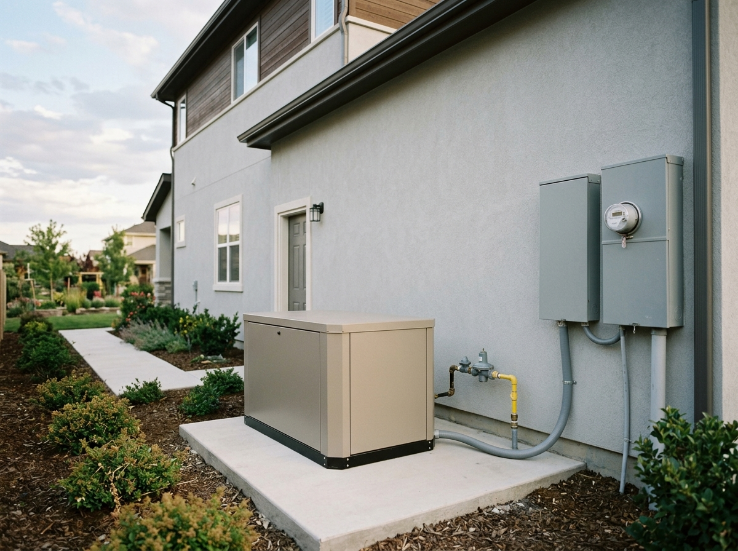
Power outages can create more than an inconvenience. A loss of electricity can stop heating and cooling equipment, disconnect communication devices, interrupt refrigeration, and leave important parts of a home without power. For households that experience frequent outages or need dependable backup power for specific equipment, a generator can provide another layer of protection.
The generator itself is only one part of the project. The home also needs an appropriate location, suitable electrical connections, adequate fuel planning, and a setup that can operate safely. Thinking through these details before installation helps homeowners avoid choosing equipment that does not match their actual needs.
Start by Identifying What Needs Backup Power
Not every appliance in a home necessarily needs to operate during an outage. Refrigerators, medical equipment, heating systems, communication devices, sump pumps, and selected lighting may be more important than temporary loads such as entertainment equipment. Making this distinction can help determine the type and capacity of backup system that makes sense.
A homeowner should make a simple list of the equipment that needs to stay available when normal power is interrupted. Consider both the equipment’s normal operating demand and any startup demand that may occur when motors or compressors turn on.
The goal is not automatically to power every item in the house. It is to determine which loads are important and then design the electrical setup around those priorities. This creates a more practical foundation for the project.
Understanding the Installation Process
Home generator installation involves several decisions beyond placing a generator outside the house. The generator needs an appropriate location and a safe connection to the home’s electrical system. The installation also has to account for access, clearances, fuel arrangements, and the way backup power will be transferred to the selected circuits.
Professional planning is important because the generator becomes part of the property’s electrical system. The connection needs to be designed so that backup power can be supplied correctly when utility power is unavailable. Improper electrical connections can create serious hazards, so this is not a project where shortcuts are appropriate.
The final setup should also be tested. Testing helps confirm that the equipment starts, transfers power properly, and supplies the intended circuits. A generator that has never been properly tested may not perform as expected when an actual outage occurs.
Choosing a Suitable Location
Generator placement matters for both operation and long-term access. The unit needs an appropriate outdoor location with enough space around it for safe operation and servicing. The exact requirements depend on the equipment, property layout, and applicable installation rules.
Access also matters. A generator should not be placed somewhere that makes routine inspection or future service unnecessarily difficult. The area around the equipment should remain reasonably clear so technicians can reach the system when maintenance is needed.
Homeowners should also think about the surroundings rather than focusing only on available space. Nearby windows, doors, walls, landscaping, and other property features can affect how the installation should be arranged. A professional evaluation can account for these factors before the equipment is installed.
Why the Transfer Setup Matters
A generator needs a proper method for separating backup power from utility power. The transfer equipment is part of this process and helps ensure electricity is directed through the intended system when an outage occurs. This is one of the reasons generator installation should be handled by qualified professionals.
The transfer arrangement also affects convenience. Some systems can provide automatic operation, while others involve manual steps. The right setup depends on the equipment, home, budget, and homeowner’s priorities.
Whatever setup is selected, it should be tested under controlled conditions. Testing provides an opportunity to identify wiring, control, or operational issues before an actual power outage creates pressure on the homeowner.
Fuel and Operating Considerations
Backup generators require a reliable fuel supply appropriate to the equipment. Homeowners should understand the fuel type, storage requirements, and expected operating needs before installation. A generator is only useful during an outage when it has the resources required to keep operating.
Fuel planning should also consider the likely duration of outages in the area. A short outage and a multi-day outage create very different planning needs. Homeowners should understand the manufacturer’s requirements and follow applicable safety guidance for fuel handling.
Routine inspection is equally important. A generator that has been sitting unused for months still needs to be ready when the power fails. Regular service helps identify battery, electrical, fuel, or mechanical concerns that might otherwise remain hidden.
Common Installation Mistakes to Avoid
One mistake is selecting generator capacity based on the number of appliances rather than their actual electrical demand. Another is choosing the installation location purely because it is convenient without considering access and operating requirements.
Other problems can include:
- Skipping system testing after installation
- Ignoring maintenance requirements
- Overlooking the home’s most important electrical loads
- Treating backup power as a completely separate system
- Delaying repairs because the generator is rarely used
Planning mistakes can become especially frustrating during an outage because that is exactly when the homeowner needs the equipment to work without complications.
Maintaining Backup Power for the Long Term
Installation is the beginning of generator ownership rather than the end. The system should be maintained according to the manufacturer’s requirements and checked periodically. Depending on the equipment, maintenance can involve mechanical, electrical, battery, fuel, and control-related components.
Keeping service records can make future maintenance easier. The homeowner can also note when the system was tested and whether any unusual symptoms appeared during operation.
A generator should not be ignored simply because it is used infrequently. Standby equipment may spend long periods waiting for an outage, which makes readiness checks particularly important.
When a Backup Generator Makes Sense
Backup power can be valuable for households where an outage would create significant inconvenience or risk. Homes that rely on powered heating or cooling, refrigeration, medical devices, communication equipment, or water-related systems may have stronger reasons to consider it.
The decision should still be based on the home’s actual needs. A homeowner does not necessarily need a system capable of operating every appliance. A carefully selected setup can focus on the circuits that matter most.
Understanding those priorities before installation usually leads to a more practical project. It also makes it easier to explain electrical requirements to the professional completing the work.
Final Thoughts
Reliable backup power starts with realistic planning. Homeowners should identify priority loads, choose suitable equipment, plan the location carefully, use a proper transfer arrangement, and maintain the generator after installation. Understanding standby power also provides useful background on the broader concept of maintaining electrical power when the main source becomes unavailable.