

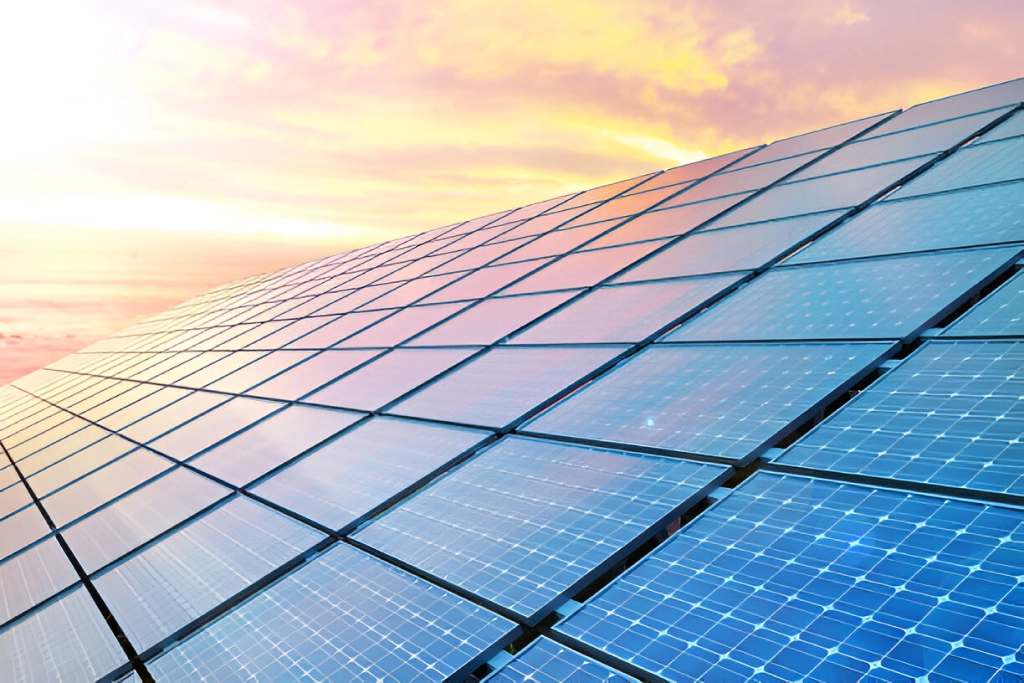
For many businesses, electricity is one of the largest recurring operating expenses. Commercial buildings, offices, hotels, schools, hospitals, warehouses, retail spaces, and manufacturing units often require substantial power throughout the day. As electricity costs and sustainability concerns receive greater attention, solar energy has become a practical option for businesses looking to generate part of their electricity on-site.
A guwahati solar company can help commercial property owners understand whether rooftop or ground-mounted solar is suitable for their site. A properly planned system can use available roof space to generate electricity during daylight hours while reducing dependence on grid power.
Commercial solar installation, however, is more than simply placing solar panels on a roof. The system needs to be designed according to electricity consumption, available space, structural conditions, equipment selection, safety requirements, and future maintenance needs.
Why Commercial Businesses Are Considering Solar Power
Commercial properties usually consume electricity during the daytime, which makes them suitable for solar generation. Solar panels produce electricity when sunlight is available, allowing businesses to use generated power during working hours.
The exact financial and energy benefits depend on the property’s electricity consumption, system size, electricity tariff, roof orientation, shading, equipment, and other site-specific factors.
Some common reasons businesses consider solar include:
- Reducing reliance on grid electricity
- Making better use of unused rooftop space
- Generating electricity close to the point of consumption
- Supporting long-term energy planning
- Improving environmental performance
- Reducing exposure to changes in conventional electricity costs
- Supporting corporate sustainability initiatives
Solar is therefore not simply an environmental decision. For many commercial users, it can also be considered as part of a broader energy-management strategy.
What Is a Commercial Solar Installation?
A commercial solar installation is a photovoltaic system designed to generate electricity for a business or other non-residential property. Depending on the site, it may be installed on a rooftop, open land, parking structure, or another suitable location.
A typical grid-connected commercial solar system includes:
- Solar panels – Convert sunlight into direct-current electricity.
- Solar inverters – Convert DC electricity into AC electricity that can be used by electrical equipment.
- Mounting structures – Secure the panels at suitable angles and positions.
- DC and AC cables – Carry electricity between system components.
- Protection equipment – Helps protect the system from electrical faults and other risks.
- Monitoring equipment – Allows system performance to be observed.
- Metering and grid connection components – Used where the installation is connected to the electricity grid.
The final configuration should be based on an engineering assessment rather than a standard package applied to every commercial property.
How a Guwahati Solar Company Can Plan a Commercial Project
A commercial solar project should begin with understanding the property’s actual electricity requirements.
1. Analyse Electricity Consumption
The first step is usually to review electricity bills and consumption patterns. Looking only at the monthly bill may not provide enough information. A detailed assessment can consider:
- Monthly electricity consumption
- Daytime versus nighttime usage
- Sanctioned electrical load
- Peak demand
- Existing electrical infrastructure
- Seasonal variations
This information helps determine whether solar generation can meaningfully match the business’s electricity requirements.
2. Inspect the Available Site
The roof or land available for solar needs to be assessed carefully.
For rooftop projects, factors such as roof condition, usable area, orientation, inclination, obstacles, and shading can affect system design. Water tanks, HVAC equipment, parapet walls, communication equipment, and nearby buildings may reduce usable space.
A roof should also be structurally suitable for the proposed mounting arrangement.
3. Assess Shading
Shadows from nearby buildings, trees, towers, or other structures can reduce solar generation. Even partial shading may affect the output of some panels or parts of a solar array.
A proper site assessment should identify significant shading sources and consider how their position changes throughout the day and across seasons.
4. Design the Solar System
Once the site’s requirements are understood, the system can be designed around expected energy consumption and available installation space.
The design may consider:
- Panel capacity and configuration
- Inverter capacity
- String arrangement
- Mounting system
- Cable routing
- Electrical protection
- Monitoring
- Maintenance access
- Grid-interconnection requirements
The objective is to create a system that is technically appropriate for the property rather than simply choosing the largest possible installation.
Rooftop Solar for Offices, Shops and Commercial Buildings
Rooftop solar is particularly useful where a commercial building has suitable unused roof space.
Office buildings may have significant daytime electricity consumption from lighting, computers, air conditioning, lifts, and other equipment. Retail properties can have similar daytime requirements, while hotels and institutions may have more varied load patterns.
Before installation, businesses should check:
- Whether the roof is in good condition
- Whether sufficient shadow-free area is available
- Whether the structure can support the mounting system
- Where electrical equipment can be positioned
- How maintenance workers will safely access the system
- Whether the existing electrical system can accommodate the installation
Installing panels on a roof that needs major repair can create unnecessary complications. Roof condition should therefore be considered before finalising the project.
Solar for Factories and Industrial Facilities
Industrial properties often have large roofs and substantial electricity requirements, making them another potential application for commercial solar.
However, industrial projects can involve more complex electrical and operational considerations. Facilities may have large motors, machinery, variable loads, transformers, multiple electrical panels, and different operating shifts.
A suitable system should account for the facility’s load profile rather than relying solely on the property’s total connected load.
For manufacturing businesses, it can also be useful to consider whether solar generation corresponds with the hours when production equipment is operating.
Grid-Connected Solar vs Solar With Batteries
Most commercial solar discussions begin with grid-connected systems because businesses already receive electricity from the utility network.
A grid-connected system can generate solar electricity during the day, with the building consuming the available power according to the system configuration and applicable electricity regulations.
Battery storage is a different consideration. Batteries can store electricity for later use, but they also add equipment, cost, space requirements, and maintenance considerations.
Battery storage may be considered when a business has specific requirements for backup or energy management. The appropriate choice depends on the property’s operating needs and technical circumstances.
What Should Businesses Check Before Hiring an Installer?
Choosing a solar installer should involve more than comparing the quoted price.
Businesses can ask prospective installers about:
- Site survey procedures
- Proposed system capacity
- Panel and inverter specifications
- Mounting structure design
- Electrical protection
- Installation timeline
- Monitoring arrangements
- Warranty terms
- Maintenance support
- Documentation and commissioning
- Grid-connection procedures, where applicable
A written proposal should clearly explain what is included in the project.
It is also useful to compare proposals based on system design and expected performance rather than focusing only on the initial quotation.
Understanding Solar System Maintenance
Solar photovoltaic systems generally have no fuel requirement, but they still need appropriate inspection and maintenance.
Dust, leaves, bird droppings, debris, loose connections, damaged cables, and equipment faults can affect system performance. The exact maintenance schedule depends on the site and system design.
Commercial property owners should keep records of:
- System generation
- Inverter performance
- Fault alerts
- Inspection activities
- Cleaning
- Repairs
- Electrical testing
Monitoring can help identify unusual changes in performance so that potential issues can be investigated.
Safety Considerations for Commercial Solar
Safety should be considered from design through installation and operation.
Solar systems involve electrical equipment that can remain energised whenever sunlight is available. Commercial installations should therefore use appropriate electrical protection, suitable cabling, proper earthing, safe equipment placement, and correctly designed isolation arrangements.
Installation and maintenance work should be performed by appropriately qualified professionals following applicable electrical and safety requirements.
Businesses should also ensure that fire-safety access, maintenance pathways, and emergency considerations are not compromised by the solar installation.
Is Commercial Solar Suitable for Every Business?
No. Solar may not be equally suitable for every commercial property.
A business may face limitations because of insufficient roof space, heavy shading, poor roof condition, unsuitable structural characteristics, limited daytime electricity consumption, or other technical constraints.
That is why a site-specific assessment is important. Solar should be evaluated using actual electricity consumption and property conditions rather than assumptions based only on the size of the building.
Frequently Asked Questions
1. What does a commercial solar installation include?
A commercial solar installation generally includes photovoltaic panels, inverters, mounting structures, cables, electrical protection equipment, monitoring components, and necessary grid-connection infrastructure. The exact equipment depends on the system design and site requirements.
2. Can solar panels be installed on a commercial building in Guwahati?
Yes, commercial buildings can potentially use rooftop solar when the roof has adequate space, suitable structural conditions, and appropriate sunlight exposure. A professional site assessment is necessary before installation.
3. How is the size of a commercial solar system decided?
System size is generally determined by factors such as electricity consumption, daytime load, available installation area, roof conditions, electrical infrastructure, and applicable grid requirements. Electricity bills and consumption patterns are useful starting points for the assessment.
4. Does a commercial solar system require regular maintenance?
Yes. Although solar photovoltaic systems have relatively few moving parts, periodic inspection, cleaning when necessary, electrical checks, and performance monitoring are important for reliable operation.
5. Should a business choose rooftop solar or a ground-mounted system?
The choice depends on available space, roof suitability, shading, electrical requirements, land availability, and project objectives. Rooftop solar can be useful where suitable roof space exists, while ground-mounted systems may be considered when sufficient suitable land is available.
Conclusion
Commercial solar installation requires careful planning rather than a one-size-fits-all approach. From analysing electricity consumption and inspecting the site to selecting equipment, designing the electrical system, completing installation, and planning maintenance, every stage can influence the long-term performance of a solar project.
For businesses exploring commercial solar solutions in the region, Solar Prabha can be considered as a relevant solar service provider for understanding installation requirements and evaluating suitable solar options based on the property’s needs. The most useful starting point is a proper site and energy assessment that connects the proposed system with the business’s actual electricity consumption.