

Accurate weight measurement is important for businesses and industries that handle products, materials, packages, and raw goods on a regular basis. A reliable Digital Weighing Scale provides fast and convenient weight measurements through an electronic display, making it easier for operators to monitor quantities and maintain accurate records. These scales are widely used in commercial, industrial, retail, warehouse, and production environments where consistent weighing is required.
What Is a Digital Weighing Scale?
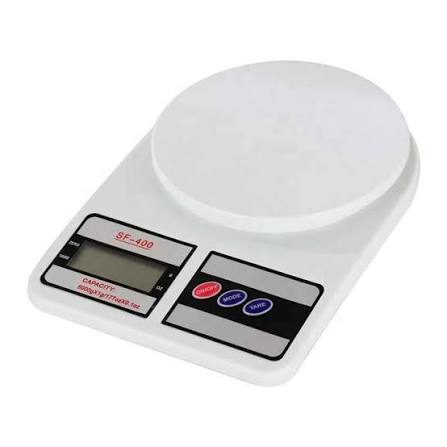
A digital weighing scale is an electronic weighing device that measures the weight of an object and displays the result on a digital screen. Unlike traditional mechanical scales, digital models use electronic sensors to detect weight and convert the measurement into a readable digital value.
Digital scales are available in different sizes, capacities, and designs. Depending on the application, they can be used for small products, packages, ingredients, industrial materials, containers, and other items.
Why Are Digital Weighing Scales Important?
Businesses depend on accurate measurements for many daily operations. Incorrect weight readings can affect inventory records, pricing, production quantities, and shipping calculations.
A suitable digital scale can help businesses:
- Obtain quick and easy weight measurements
- Reduce manual weighing errors
- Improve inventory management
- Support accurate packaging and production
- Save time during regular weighing tasks
- Maintain more consistent operational records
The electronic display also makes weight information easier for operators to read compared with some traditional weighing methods.
Applications of Digital Weighing Scales
Digital weighing scales are used across many industries because they are available in a variety of capacities and configurations.
Retail Businesses
Retailers can use digital scales to measure products before selling or packaging them. Accurate measurement can help businesses maintain consistency and improve customer confidence.
Warehouses
Warehouses handle a large number of products every day. Digital weighing scales can be used for boxes, packages, containers, and other goods during receiving, storage, and dispatch.
Manufacturing
Manufacturing companies can use digital scales to measure raw materials, components, and finished products. Accurate weighing can support production control and quality management.
Food Processing
Food businesses often need precise measurements of ingredients and finished products. Digital scales can support consistent quantities during preparation, processing, and packaging.
Logistics
Shipping and logistics companies need accurate package weights for transportation and shipment management. Digital scales can provide quick measurements before goods are dispatched.
Types of Digital Weighing Scales
Different applications require different types of digital weighing equipment. Choosing the right design depends on the size and weight of the items being measured.
Bench Scales
Bench scales are compact and can be placed on worktables or counters. They are suitable for smaller products, packages, ingredients, and commercial applications.
Platform Scales
Platform scales provide a larger weighing surface for boxes, bags, containers, and other items. They are commonly used in warehouses and industrial environments.
Floor Scales
Floor scales are designed for weighing heavier loads placed directly on or near floor level. They can be useful for warehouses and industrial facilities.
Counting Scales
Counting scales can help businesses determine the quantity of identical items based on their weight. They can be useful for inventory and parts management.
Key Features to Consider
Before purchasing a digital weighing scale, businesses should evaluate their specific requirements. Important features may include:
- Maximum weighing capacity
- Accuracy and resolution
- Platform or tray size
- Digital display visibility
- Battery or power options
- Construction quality
- Ease of operation
- Cleaning and maintenance requirements
- Data connectivity options
Selecting the right features can help ensure that the scale performs effectively in its intended environment.
Choosing the Right Weighing Capacity
The weighing capacity should match the products or materials being measured. Businesses should identify the typical and maximum weight of their items before choosing a scale.
Using a scale beyond its recommended capacity may affect its performance and potentially damage its components. It is therefore better to select a model that provides sufficient capacity for regular operations.
For example, a small retail business may need a compact scale, while a warehouse handling heavy packages may require a larger platform or floor weighing solution.
Accuracy and Reliability
Accuracy is one of the most important factors when selecting digital weighing equipment. Businesses depend on correct measurements for inventory, production, pricing, and shipping.
Regular calibration and proper handling can help maintain reliable measurements. The scale should also be installed on a suitable, stable surface and used according to its recommended operating conditions.
Environmental factors such as vibration, uneven surfaces, moisture, and temperature changes can also affect weighing performance. Businesses should select equipment appropriate for their working environment.
Benefits of Digital Weighing Scales
Digital weighing scales offer several advantages compared with manual or traditional weighing methods. Their electronic displays provide quick readings and can make everyday weighing tasks more convenient.
Some key benefits include:
- Fast measurement
- Easy-to-read digital results
- Convenient operation
- Consistent weighing performance
- Availability in different capacities
- Suitable for many industries
- Reduced manual calculation
These advantages make digital scales useful for both small businesses and larger industrial operations.
Digital Weighing in Industrial Environments
Industrial environments often require equipment that can handle frequent use and demanding working conditions. Digital weighing scales may be used for raw materials, packaged products, components, and other industrial loads.
When selecting equipment for industrial use, businesses should consider the expected load, operating environment, frequency of use, platform dimensions, and maintenance requirements.
A scale designed according to the application can provide more dependable performance and help reduce unnecessary operational interruptions.
Maintenance of Digital Weighing Scales
Proper maintenance is important for keeping a digital scale accurate and reliable. Operators should regularly clean the weighing surface and check the equipment for visible damage.
Recommended practices include:
- Keep the weighing platform clean
- Avoid placing loads beyond capacity
- Protect the scale from unnecessary impact
- Check cables and connections
- Keep the scale on a stable surface
- Monitor unusual weight readings
- Arrange calibration when necessary
Regular care can help extend the working life of the equipment and maintain consistent performance.
How to Select the Right Digital Weighing Scale
The best digital weighing scale depends on the business application. Before purchasing, businesses should identify what they need to weigh, how frequently the scale will be used, and where it will be installed.
Capacity, accuracy, platform size, display type, environmental conditions, and available features should all be considered. Businesses should also select equipment from a reliable weighing equipment provider to support long-term performance.
Why Choose Al Falah Scales?
Al Falah Scales provides weighing solutions for commercial and industrial applications. Businesses looking for digital weighing equipment should consider their specific weighing requirements before selecting a suitable model.
By evaluating capacity, accuracy, application, and operating environment, businesses can choose a weighing solution that supports their daily activities and provides convenient measurement.
Digital Weighing Solutions for UAE Businesses
Businesses across the UAE require dependable weighing equipment for retail, manufacturing, logistics, warehousing, food processing, and other applications. Digital weighing scales can provide an efficient method for measuring products and materials in different working environments.
Whether a business needs to weigh packages, ingredients, raw materials, or finished products, selecting suitable digital weighing equipment can improve measurement efficiency and support better operational control.
Conclusion
Digital weighing scales provide a convenient and efficient solution for accurate weight measurement. They are suitable for many applications, including retail, manufacturing, warehousing, food processing, and logistics. By choosing the right capacity, features, and design, businesses can improve their weighing processes and maintain reliable measurements for everyday operations.
FAQs
1. What is a digital weighing scale?
A digital weighing scale is an electronic device that measures the weight of an item and displays the result on a digital screen.
2. Where are digital weighing scales used?
They are used in retail stores, warehouses, manufacturing facilities, food processing businesses, logistics operations, and many other commercial and industrial environments.
3. How can I maintain a digital weighing scale?
Keep the weighing surface clean, avoid overloading the scale, use it on a stable surface, protect it from unnecessary impact, and arrange calibration when required.