

A well-designed garden can transform an ordinary outdoor space into an attractive, functional extension of your home. Whether you want to create raised garden beds, manage uneven ground or add character to your backyard, choosing the right wall material can make a significant difference. In Australia, where residential properties range from compact urban gardens to spacious sloping blocks, garden walls offer both practical benefits and visual appeal.
Block and rock garden walls are popular options for homeowners looking to combine durability with attractive landscaping. Concrete blocks provide a neat, structured appearance, while natural stone creates a timeless connection with the surrounding environment. With the right design, materials and installation, either option can help you make better use of your outdoor space.
What Are Block and Rock Garden Walls?
Garden walls can serve several purposes, from defining planting areas to retaining soil and creating different levels across a property. The best choice depends on the landscape, the intended function and your preferred style.
Block Garden Walls
Block garden walls are commonly built using concrete masonry blocks or purpose-made retaining wall blocks. Their consistent shape makes them suitable for clean lines, geometric garden beds and contemporary outdoor designs.
Some key advantages include:
- Versatile designs: Blocks can complement modern homes, paved courtyards and structured gardens.
- Practical construction: Their uniform dimensions can make planning and installation more straightforward.
- Flexible finishes: Depending on the block type, walls can be left exposed, capped or finished with a suitable render.
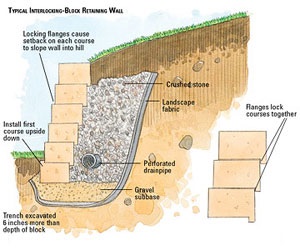
- Retaining applications: Appropriately designed and reinforced block walls can support soil on sloping properties.
Rock Garden Walls
Rock garden walls use natural stone, sandstone, bluestone or other suitable rocks to create a more organic appearance. Their varied shapes, colours and textures can blend beautifully with lawns, native plants and established gardens.
Natural rock walls are particularly appealing for homeowners who prefer rustic landscaping or want their garden structures to feel connected to the surrounding environment.
Benefits may include:
- Natural textures and distinctive stone patterns.
- Strong visual appeal across traditional and contemporary landscapes.
- Opportunities to incorporate planting around the wall.
- Suitable options for garden edging, terracing and certain retaining applications.
The wall’s structural design must match its intended purpose, especially when retaining substantial soil loads.
Why Choose Block and Rock Garden Walls for Your Property?
Choosing block and rock garden walls allows you to balance practical requirements with the overall appearance of your landscape.
1. Make Better Use of Sloping Ground
Uneven ground can limit how you use your backyard. A properly designed retaining wall can create level areas for garden beds, lawns, pathways or outdoor seating.
Terraced walls can also divide a sloping garden into manageable sections, making planting and general maintenance more convenient.
2. Improve Garden Appearance
A garden wall can become a feature rather than simply a boundary. Concrete blocks suit symmetrical layouts and clean architectural lines, while natural stone brings texture and a relaxed, earthy character.
Consider matching the wall colour and finish with your home’s exterior, paving and existing landscaping for a cohesive result.
3. Help Manage Soil Erosion
Sloping gardens can experience soil movement and surface runoff, particularly during heavy rainfall. A suitably designed retaining wall can help stabilise the ground and define planting areas.
However, drainage is essential. Poorly managed water behind a retaining wall can increase pressure and contribute to cracking, movement or structural failure.
4. Create Defined Outdoor Areas
Walls can separate vegetable patches, ornamental gardens, lawns and entertaining spaces without requiring tall fencing. Low garden walls can also provide attractive edging around pathways and planted areas.
How to Choose the Right Garden Wall Material
Before selecting a wall, consider how it will function and how it will fit into your property.
Choose block walls if you want:
- A consistent, contemporary appearance.
- Straight lines and clearly defined garden levels.
- A finish that coordinates with modern architecture.
- A properly engineered solution for suitable retaining applications.
Choose rock walls if you prefer:
- Natural colours and irregular textures.
- A rustic or landscape-inspired appearance.
- Stone features that complement native planting.
- A design that blends into a larger garden or sloping block.
Your available space, budget, soil conditions and access for construction equipment can also influence the final decision.
Important Considerations Before Installation
Drainage and Foundations
A durable wall starts below the visible surface. The foundation must suit the wall’s height, construction method and ground conditions. Depending on the design, drainage aggregate, agricultural drainage pipes and other water-management measures may be necessary.
Wall Height and Structural Requirements
Not every garden wall is suitable for retaining significant amounts of soil. Taller walls, walls supporting driveways or buildings, and structures near boundaries may require engineering advice and relevant approvals. Requirements vary by location and project, so check with your local council or a qualified professional.
Landscaping and Maintenance
Think about how plants, irrigation and pathways will interact with the finished wall. Keep drainage outlets clear, manage water runoff and inspect the structure periodically for leaning, cracks or displaced stones.
Plan Your Garden Wall Project with Confidence
A successful landscaping project begins with a clear understanding of your property’s needs. Measure the proposed area, identify changes in ground level and decide whether the wall is decorative or intended to retain soil.
For a practical starting point, explore the garden wall options offered by Retaining Walls Landscaping. Reviewing suitable materials and construction approaches can help you prepare for a more informed project discussion.
Whether you prefer clean concrete masonry or the natural appeal of stone, block and rock garden walls can help create an outdoor space that is attractive, organised and suited to your property.
Conclusion
Garden walls do much more than frame a garden. They can define outdoor zones, improve the usability of sloping land and introduce lasting visual interest. Block walls offer a structured finish, while rock walls bring natural character and texture.
By considering drainage, foundations, soil conditions and the intended use of the wall, you can make a more informed decision for your Australian property. Explore your options, plan carefully and seek professional advice when structural retaining work is involved.
Ready to improve your outdoor space? Visit Retaining Walls Landscaping to explore garden wall solutions and take the next step towards a more functional landscape.
Frequently Asked Questions
1. Are block and rock garden walls suitable for Australian homes?
Yes. Both can suit Australian residential landscapes. The right option depends on the property’s slope, soil, climate, available space and the look you want to achieve.
2. Are block garden walls stronger than rock walls?
Neither option is automatically stronger in every situation. Performance depends on the wall’s design, materials, foundations, construction quality and the loads it must support. A qualified professional can assess the most suitable system.
3. Do rock garden walls require drainage?
Drainage requirements depend on the wall’s construction and site conditions. Water must be managed appropriately to reduce pressure and protect stability. Even walls with gaps between stones need a suitable design for their location and purpose.
4. Can garden walls help prevent soil erosion?
A correctly designed retaining wall can help stabilise sloping ground and reduce soil movement. Effective drainage and appropriate foundations are important for long-term performance.
5. How do I choose between block and natural stone walls?
Consider your preferred appearance, project budget, available space and structural requirements. Blocks often suit uniform, contemporary designs, whereas natural stone is ideal for a more textured, organic landscape.
6. Do I need approval to build a retaining garden wall in Australia?
Possibly. Requirements vary between states, territories and councils and depend on factors such as wall height, location and nearby structures or loads. Check local requirements and obtain engineering advice where necessary before construction.