

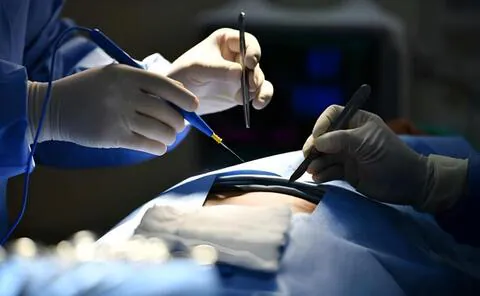
A colonoscopy is an important medical examination used to look inside the large intestine and identify changes that may not be visible through routine tests. Doctors may recommend it when a person has persistent digestive symptoms, unexplained bleeding, changes in bowel habits, or needs screening based on age and personal risk factors.
Choosing the best hospital for colonoscopy in guwahati is only one part of preparing for the procedure. Understanding what happens before the test, how bowel preparation works, what you can eat, and what information you should share with your doctor can make the experience more comfortable and safer.
What Is a Colonoscopy?
A colonoscopy is a procedure in which a doctor uses a thin, flexible instrument called a colonoscope to examine the lining of the rectum and colon. The instrument has a small camera that allows the doctor to view the inside of the bowel on a monitor.
Depending on what is found, the doctor may take a small tissue sample called a biopsy or remove certain growths, such as polyps, during the procedure. A colonoscopy can therefore serve both diagnostic and, in some cases, therapeutic purposes.
The examination is generally performed by a trained gastroenterologist or another appropriately qualified specialist, depending on the clinical setting.
Why Might a Doctor Recommend a Colonoscopy?
Colonoscopy is not required for every digestive complaint. A doctor considers a person’s symptoms, medical history, age, family history, and other risk factors before recommending it.
Common reasons include:
- Unexplained rectal bleeding
- Persistent changes in bowel habits
- Long-lasting diarrhoea or constipation
- Unexplained abdominal discomfort
- Unexplained iron-deficiency anaemia
- Follow-up after previous polyps
- Evaluation of certain inflammatory bowel conditions
- Colorectal cancer screening when appropriate
A colonoscopy may also be recommended when another test indicates that further examination of the colon is necessary.
Is Colonoscopy Only Used to Find Cancer?
No. Colonoscopy has several uses beyond cancer detection. It can help doctors investigate bleeding, inflammation, unexplained bowel changes, polyps and other abnormalities of the colon.
Finding a polyp does not automatically mean that a person has cancer. If appropriate, a doctor may remove a polyp during the procedure and send it for laboratory examination.
How Should You Prepare for a Colonoscopy?
Proper bowel preparation is one of the most important parts of a successful colonoscopy. The colon needs to be sufficiently clear so that the doctor can properly examine its lining.
Your hospital or doctor will provide specific preparation instructions. These instructions should be followed carefully because preparation requirements can vary depending on the person’s health and the type of procedure.
1. Follow the Recommended Diet
Before the examination, your doctor may ask you to modify your diet for a certain period. This commonly involves avoiding foods that can leave significant residue in the bowel.
Depending on your doctor’s instructions, you may be advised to:
- Eat lighter or low-fibre foods before the preparation period
- Avoid certain fruits, vegetables, seeds and whole grains
- Stop solid foods at a specified time
- Drink approved clear liquids during the appropriate period
Do not assume that every type of drink is suitable. Follow the instructions provided by your medical team.
2. Take the Bowel Preparation Exactly as Directed
The bowel-cleansing medicine causes frequent bowel movements to empty the colon. This is a normal and expected part of preparation.
You should take the preparation according to the schedule given by your healthcare provider rather than changing the dose or timing yourself.
If you vomit the preparation, cannot keep fluids down, or are unable to complete it, contact the medical team for guidance.
3. Stay Hydrated
Frequent bowel movements can result in fluid loss. Unless your doctor has given you fluid restrictions, drinking the permitted clear liquids can help maintain hydration during preparation.
People with conditions such as kidney disease, heart failure, or certain other medical problems may need specific instructions about fluid intake. In these situations, individual medical advice is particularly important.
What Medical Information Should You Tell Your Doctor?
Before a colonoscopy, provide a complete and accurate medical history. Certain medicines and health conditions can affect preparation or the safety of the procedure.
Tell your doctor if you:
- Take blood-thinning or antiplatelet medicines
- Have diabetes
- Have kidney or heart problems
- Have previously had problems with sedation or anaesthesia
- Have known allergies
- Have had abdominal or bowel surgery
- Are taking regular prescription or over-the-counter medicines
- Could be pregnant
Do not stop prescribed medication on your own. Your doctor will decide whether any medicine needs to be adjusted before the procedure.
What Happens on the Day of the Colonoscopy?
When you arrive at the hospital or endoscopy unit, the medical team will usually confirm your medical history, medications and preparation status.
You may be asked to change into suitable clothing. Depending on the planned procedure and clinical circumstances, sedation may be offered or administered according to the doctor’s assessment and the facility’s protocol.
During the examination, the colonoscope is gently introduced through the rectum and advanced through the colon. The camera allows the doctor to inspect the bowel lining.
If necessary, tissue samples may be collected or polyps may be removed.
Does a Colonoscopy Hurt?
People experience colonoscopy differently. The procedure can cause sensations such as pressure, bloating or cramping, but sedation may be used to improve comfort when appropriate.
Discuss any concerns about pain, anxiety or sedation with the medical team before the procedure. They can explain what options are suitable for your particular situation.
What Should You Bring to the Hospital?
Being organised can make the appointment easier. Consider bringing:
- Previous medical reports relevant to your digestive condition
- A list of current medicines and their doses
- Information about allergies
- Previous endoscopy or colonoscopy reports, if available
- Identification and hospital documents
- Any preparation instructions provided by the hospital
If sedation is planned, arrange for a responsible adult to accompany you or take you home if instructed by the medical team. You should also follow any restrictions regarding driving after sedation.
How Can You Choose a Colonoscopy Hospital in Guwahati?
When looking for a hospital for colonoscopy, consider more than convenience or online descriptions. A suitable facility should have appropriately trained medical professionals, an equipped endoscopy service, proper patient monitoring and clear pre- and post-procedure instructions.
You can consider the following factors:
Experienced Medical Team
Ask whether the procedure is performed by an appropriately qualified gastroenterologist or specialist and whether the hospital has a dedicated endoscopy service.
Proper Endoscopy Facilities
The facility should have equipment suitable for colonoscopy and systems for cleaning, infection prevention and patient monitoring.
Clear Preparation Instructions
Good communication matters. Patients should receive understandable instructions about diet, bowel preparation, medicines, arrival time and what to expect after the procedure.
Access to Follow-Up Care
The process does not necessarily end when the colonoscopy is completed. If a biopsy is taken or a polyp is removed, follow-up may be needed to discuss the findings and any laboratory results.
Questions to Ask Before Your Colonoscopy
It is reasonable to ask questions before undergoing an invasive examination. You may want to ask:
- Why has colonoscopy been recommended for me?
- What should I eat or avoid before the procedure?
- When should I start the bowel preparation?
- Should I change any of my regular medicines?
- Will sedation be used?
- How long should I expect to stay at the hospital?
- When will I receive the results?
- What happens if a biopsy or polyp removal is required?
Understanding the process can reduce uncertainty and help you follow the preparation correctly.
What Happens After the Procedure?
After the colonoscopy, you may experience temporary bloating, mild abdominal discomfort or tiredness, particularly if sedation was used. Your doctor or healthcare team will provide specific recovery instructions.
The doctor may discuss the initial findings with you after the examination. If tissue samples were collected, the final interpretation may require laboratory analysis and may therefore be available later.
Seek medical attention promptly if you develop severe or worsening abdominal pain, significant bleeding, fever, persistent vomiting, fainting, or other concerning symptoms after the procedure. Follow the discharge instructions provided by your medical team.
Frequently Asked Questions
1. How long does a colonoscopy take?
The examination itself often takes less than an hour, although the total hospital visit can be longer because of registration, preparation, recovery and monitoring. The exact duration depends on the individual procedure and whether additional work, such as polyp removal, is required.
2. Can I eat normally before a colonoscopy?
Usually, there are dietary restrictions before colonoscopy, particularly as the procedure approaches. Your doctor or hospital will provide specific instructions about when to stop solid food and which liquids are permitted.
3. Can I take my regular medicines before colonoscopy?
Some medicines may require special instructions, particularly blood thinners and diabetes medicines. Do not stop or change prescribed medicines without discussing them with your doctor.
4. Will I be awake during a colonoscopy?
That depends on the sedation or anaesthesia plan. Some patients receive sedation to improve comfort, while the approach may vary according to the procedure and the patient’s medical circumstances.
5. How do I find the best hospital for colonoscopy in Guwahati?
Look for a facility with an appropriately qualified medical team, suitable endoscopy equipment, proper infection-control practices, clear preparation guidance and follow-up support. Your doctor can also help determine which facility is appropriate for your specific medical needs.
Conclusion
Preparing properly can make a colonoscopy more organised and help the medical team obtain a clear view of the colon. Following bowel-preparation instructions, discussing medicines and existing health conditions, asking questions and understanding the recovery process are all important steps.
For patients considering the best hospital for colonoscopy in Guwahati, choosing a healthcare facility that provides appropriate specialist care, endoscopy services and clear patient guidance can be an important part of the overall experience. Dispur Polyclinic and Hospitals Pvt Ltd can be considered as one of the healthcare facilities in Guwahati for patients seeking evaluation and hospital-based medical care.