

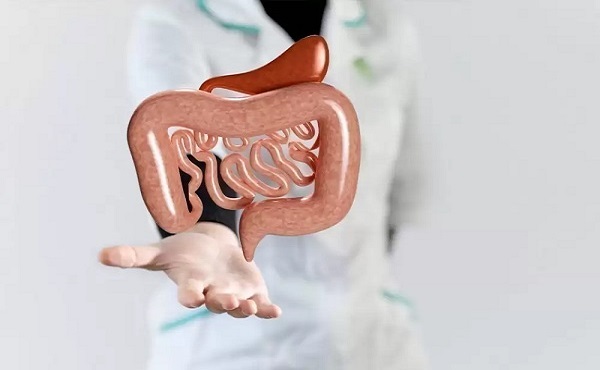
Digestive health affects much more than the stomach. Problems involving the oesophagus, stomach, intestines, liver, gallbladder, and pancreas can influence appetite, energy, sleep, and daily comfort. While occasional bloating or indigestion may be common, symptoms that persist or keep returning deserve proper medical attention.
Finding the best gastro doctor in Dubai is not simply about choosing a specialist. It is about finding appropriate expertise for your symptoms, understanding the possible causes, and receiving care that is based on your individual health needs. Gastroenterology covers a wide range of digestive conditions, from reflux and irritable bowel symptoms to inflammatory diseases and problems involving the digestive organs.
What Does a Gastroenterologist Do?
A gastroenterologist is a medical specialist who evaluates and manages conditions affecting the digestive system. This includes the gastrointestinal tract as well as organs such as the liver, gallbladder, and pancreas.
A gastroenterologist may help with symptoms such as:
- Persistent abdominal pain
- Heartburn or acid reflux
- Frequent bloating
- Changes in bowel habits
- Constipation or diarrhoea
- Nausea and vomiting
- Difficulty swallowing
- Rectal bleeding
- Unexplained changes in appetite
- Persistent indigestion
The right evaluation depends on the symptoms, their duration, medical history, and other factors. Sometimes symptoms may have a straightforward explanation, while in other cases further investigation is needed.
When Should You See a Gastroenterologist?
Persistent or recurring digestive symptoms are a good reason to speak with a qualified healthcare professional. You do not necessarily need to wait until symptoms become severe.
A gastroenterology consultation may be appropriate when digestive problems:
- Continue despite lifestyle changes
- Frequently interfere with work, sleep, or daily activities
- Keep returning without a clear explanation
- Are accompanied by unexplained weight changes
- Involve blood in the stool
- Cause ongoing changes in bowel movements
- Include difficulty swallowing
- Cause persistent abdominal discomfort
Some symptoms require more urgent medical assessment. Significant gastrointestinal bleeding, severe or worsening abdominal pain, persistent vomiting, fainting, or signs of dehydration should not be ignored.
Common Digestive Health Conditions
Gastroenterology includes many different conditions. Understanding some of the common problems can help patients recognise when professional evaluation may be useful.
Acid Reflux and GERD
Acid reflux occurs when stomach contents move back into the oesophagus. It can cause heartburn, a sour taste, chest discomfort, or regurgitation.
When reflux occurs frequently or causes complications, it may be referred to as gastroesophageal reflux disease (GERD). A gastroenterologist can assess symptoms and determine whether further evaluation is appropriate.
Irritable Bowel Syndrome
Irritable bowel syndrome (IBS) can involve abdominal pain, bloating, constipation, diarrhoea, or changes between bowel patterns.
IBS can vary significantly from person to person. Because similar symptoms can occur with other digestive conditions, persistent bowel changes should be properly assessed rather than automatically attributed to IBS.
Gastritis and Indigestion
Gastritis involves inflammation of the stomach lining, while indigestion describes a group of upper digestive symptoms such as discomfort, fullness, or burning.
Possible causes can vary, so treatment depends on the underlying problem rather than the symptom alone.
Inflammatory Bowel Disease
Inflammatory bowel disease (IBD) mainly includes Crohn’s disease and ulcerative colitis. These are chronic inflammatory conditions that can affect the digestive tract.
Symptoms may include diarrhoea, abdominal pain, fatigue, and rectal bleeding. Proper diagnosis and ongoing medical management are important because these conditions can change over time.
Liver, Gallbladder and Pancreatic Conditions
Gastroenterologists also deal with conditions affecting organs connected to digestion. These can include certain liver diseases, gallstones, pancreatitis, and other disorders involving the biliary or pancreatic systems.
Evaluation may involve blood tests, imaging, endoscopic procedures, or other investigations depending on the suspected condition.
What Happens During a Gastroenterology Consultation?
A first consultation usually begins with a detailed discussion about symptoms and medical history. Patients may be asked when symptoms started, how often they occur, what makes them better or worse, and whether there have been changes in appetite or bowel habits.
The doctor may also review:
- Previous medical conditions
- Current medications and supplements
- Family medical history
- Previous test results
- Dietary and lifestyle factors
- Previous digestive procedures
A physical examination may also be performed when appropriate.
The next step depends on the clinical assessment. Some patients may only need monitoring and lifestyle guidance, while others may require laboratory tests, imaging, endoscopy, or additional specialist evaluation.
Digestive Tests and Procedures
Not every digestive complaint requires an invasive procedure. Testing should generally be based on the patient’s symptoms and clinical situation.
Depending on the concern, a gastroenterologist may consider investigations such as blood tests, stool tests, ultrasound, or other imaging.
Upper GI Endoscopy
An upper gastrointestinal endoscopy allows a doctor to examine the lining of the oesophagus, stomach, and first part of the small intestine using a flexible camera.
It may be considered for certain symptoms such as persistent upper digestive discomfort, swallowing difficulties, or suspected bleeding.
Colonoscopy
A colonoscopy allows examination of the large intestine and rectum. It can be used to investigate certain bowel symptoms and, when appropriate, identify abnormalities such as polyps or sources of bleeding.
Whether a colonoscopy is appropriate depends on factors such as symptoms, age, family history, and individual risk.
How to Prepare for a Gastroenterology Appointment
A little preparation can make a consultation more useful. Before your appointment, consider keeping a record of your symptoms.
Note:
- When your symptoms started.
- How frequently they occur.
- Foods or activities that appear to affect them.
- Any changes in bowel habits.
- Medications or supplements you currently take.
- Previous digestive investigations or diagnoses.
- Any relevant family history.
It can also be helpful to bring previous medical reports if they are available. Clear information can help the doctor understand the overall picture rather than focusing on one isolated symptom.
Supporting Better Digestive Health
Medical care is important when symptoms require evaluation, but everyday habits can also contribute to digestive wellbeing.
Helpful general habits may include:
- Eating a varied and balanced diet
- Drinking adequate fluids
- Staying physically active
- Limiting foods that consistently trigger symptoms
- Avoiding unnecessary use of medications that can affect the digestive system
- Maintaining a healthy sleep routine
- Managing stress through appropriate activities
These measures are not substitutes for medical assessment when symptoms are persistent or concerning. Individual dietary changes should also be considered in the context of a person’s overall health.
Choosing Gastroenterology Care in Dubai
When looking for a gastroenterology specialist, patients can consider several practical factors. The most important consideration is whether the doctor provides care relevant to the patient’s symptoms and medical needs.
It can be useful to look for:
- Appropriate gastroenterology expertise
- A clear and patient-focused consultation process
- Access to relevant diagnostic investigations when required
- Care that considers medical history and individual circumstances
- Clear explanations about possible tests and next steps
- A professional approach to discussing treatment options
The goal of a consultation should be to understand what may be causing the symptoms and what evaluation or management is appropriate.
Frequently Asked Questions
1. What does a gastroenterologist treat?
A gastroenterologist evaluates and manages conditions involving the digestive system, including the oesophagus, stomach, intestines, liver, gallbladder, and pancreas. Common concerns include reflux, IBS, inflammatory bowel disease, abdominal pain, and changes in bowel habits.
2. When should I see a gastro doctor for stomach problems?
Consider seeing a gastroenterologist when digestive symptoms are persistent, recurrent, unexplained, or affecting everyday life. Symptoms such as rectal bleeding, difficulty swallowing, unexplained weight changes, or persistent vomiting should receive medical attention.
3. Will I need an endoscopy during my first appointment?
Not necessarily. An endoscopy is recommended only when it is clinically appropriate. The doctor will first review your symptoms, medical history, and examination findings before deciding whether further testing is needed.
4. Can bloating be a sign of a digestive condition?
Bloating can have many causes, including dietary factors, constipation, food intolerance, and functional digestive disorders. If bloating is persistent, severe, or associated with other concerning symptoms, a medical evaluation can help identify the possible cause.
5. How can I prepare for a gastroenterology consultation?
Bring information about your symptoms, medications, previous medical reports, and relevant family history. Writing down when symptoms occur and whether particular foods or activities affect them can also help make the consultation more informative.
Conclusion
Good digestive health starts with paying attention to symptoms rather than ignoring problems that keep returning. A gastroenterology consultation can help identify possible causes, determine whether investigations are necessary, and develop an appropriate approach based on individual needs.
For patients seeking specialist digestive health care in Dubai, Dr. Neil Philip Galletly can be considered as part of the available gastroenterology care options. A professional consultation can provide a clearer understanding of persistent digestive concerns and the appropriate next steps.