

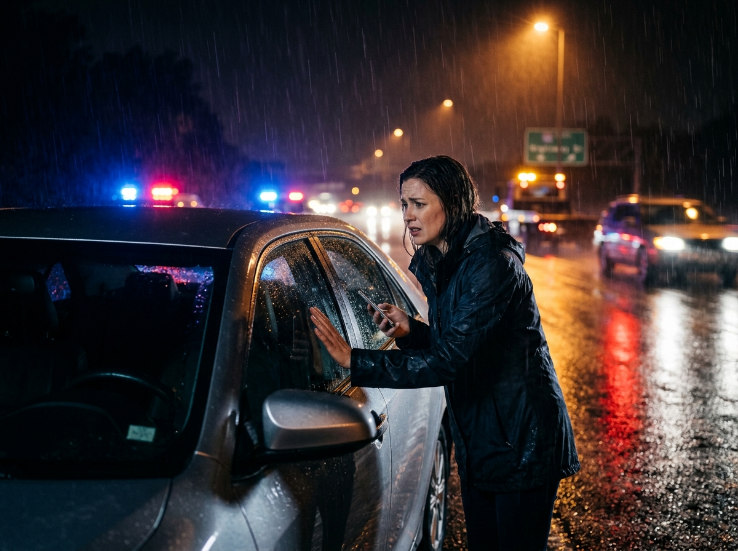
Most car lockouts are frustrating, but they are not always emergencies. The situation becomes much more serious when someone or something inside the vehicle could be harmed by the delay. Weather, traffic, location, and what is trapped inside the car can all change how quickly the problem needs to be handled. Knowing the difference helps you take the right action instead of treating every lockout the same way.
A locked car can become a safety concern faster than many people expect. A child, pet, running vehicle, extreme temperature, or dangerous roadside location can turn a normal access problem into an urgent situation. In these cases, waiting too long or trying risky DIY methods can create even more danger. The priority should always be keeping people safe while getting appropriate help.
When a Person Is Locked Inside the Car
A lockout becomes an emergency when a child, elderly person, injured person, or anyone unable to exit safely is trapped inside. Young children may not understand how to unlock the doors, while an older or injured person may not be physically able to operate the locks. Their condition can also change while you are trying to solve the problem from outside.
This situation should not be treated like an ordinary inconvenience. If the person inside is distressed, unresponsive, or exposed to dangerous temperatures, emergency services should be contacted immediately. Professional vehicle entry can help regain access, but safety takes priority over protecting the vehicle.
Why Children Inside a Locked Car Need Immediate Attention
Children can become distressed quickly when they are alone inside a locked vehicle. They may accidentally change the temperature controls, move around the cabin, or become frightened while waiting for help. The situation is especially dangerous when the vehicle is parked in direct sunlight or during very cold weather.
Do not rely on the idea that the car will remain comfortable because the weather outside does not feel extreme. Vehicle interiors can change temperature much faster than many people expect. When a child is trapped inside, getting emergency assistance should take priority over trying several unlocking methods yourself.
When a Pet Is Locked Inside a Hot or Cold Vehicle
Pets can also turn a simple lockout into an urgent situation, especially during hot weather. Dogs and other animals cannot explain when they are becoming distressed, and they can be affected by rising cabin temperatures quickly. A closed vehicle can become dangerous even when the outside temperature does not seem unusually high.
Cold conditions can also create problems for animals left inside a vehicle. Wind, low temperatures, and limited protection can expose a pet to conditions it cannot escape from. When an animal is showing signs of distress, the situation should be treated as urgent rather than waiting for the lockout to resolve on its own.
When the Car Is Running With the Keys Locked Inside
A running vehicle creates another type of emergency because the engine continues operating while the driver is outside. This may happen when a vehicle locks automatically after the driver closes the door, leaving the keys or key fob inside. The problem becomes more serious when the vehicle is parked somewhere unsafe or has a child or pet inside.
A running vehicle can also create risks in enclosed or poorly ventilated spaces. Drivers should avoid standing in a position where they are exposed to exhaust and should not attempt dangerous entry methods simply because the engine is running. The safest response depends on the location and what is happening inside the vehicle.
Why a Running Vehicle Should Not Be Left Unattended
A running unattended vehicle can create risks beyond the lockout itself. It may move unexpectedly if conditions change, attract unwanted attention, or continue consuming fuel while the driver remains outside. In some situations, the vehicle may also be blocking traffic or creating a hazard for nearby people.
Getting back into the vehicle quickly may therefore be more important than in an ordinary parked-car lockout. The safest approach is to seek appropriate assistance instead of forcing the door or damaging the vehicle in an attempt to save a few minutes.
When Extreme Heat Makes a Lockout Urgent
Hot weather can make a car lockout much more serious, especially when someone is trapped inside. The temperature inside a closed vehicle can rise quickly, creating dangerous conditions even when the outside air feels manageable. Children and pets are particularly vulnerable because they cannot remove themselves from the heat.
Signs of serious heat stress can include unusual weakness, confusion, heavy breathing, or loss of responsiveness. If someone inside the vehicle is showing these symptoms, emergency assistance should be sought immediately. A normal lockout response is not a substitute for urgent medical help when someone’s health is at risk.
When Cold Weather Makes the Situation Dangerous
A cold-weather lockout can also become an emergency when a person is left outside without adequate protection. This can be especially serious at night, during strong winds, or in areas where temperatures are already very low. Waiting for a long period beside a vehicle can expose someone to dangerous cold conditions.
The risk becomes greater when the person is injured, elderly, very young, or not dressed for the weather. In those situations, the goal should be to move to a safe location while arranging help. Do not remain in a dangerous environment simply because you are trying to solve the vehicle problem yourself.
Why Waiting Beside the Vehicle Can Be Risky
People often focus entirely on the locked vehicle and forget about their surroundings. Standing near a busy road, in an isolated parking area, or in severe weather can expose you to risks that have nothing to do with the lock itself. A lockout should never force you to remain somewhere unsafe.
Move to a safer nearby location when possible, especially on busy roads or in poor visibility. Once you are somewhere secure, provide clear information about the vehicle and your location when requesting assistance. This makes it easier for help to reach you without adding another safety problem.
When a Lockout Happens on the Side of a Busy Road
Being locked out on a roadside creates a different kind of emergency because passing traffic may become the biggest threat. A driver standing near the vehicle may be difficult for approaching motorists to see, especially at night, in rain, or around a bend. Trying to enter the car while standing in traffic can make the situation more dangerous.
Move away from the active traffic lane whenever it is safe to do so. Turn on hazard lights if they can be activated without entering the vehicle, and stay as far from moving traffic as possible. The lockout itself may be manageable, but the location can make the situation urgent.
When You Are Locked Out in an Unsafe Area
Not every dangerous lockout happens on a highway. A poorly lit parking lot, isolated street, unfamiliar neighborhood, or remote area can also make waiting outside a vehicle uncomfortable or unsafe. The longer you remain there, the more important your surroundings become.
In this situation, finding a secure location while arranging assistance may be more important than standing beside the car. Keep your phone accessible and share your exact location with the person providing help. Avoid walking into unfamiliar areas simply to find a tool or attempt a risky unlocking method.
When a Key Fob or Lock Stops Working During an Emergency
A failed key fob does not automatically make a lockout an emergency. However, it can become urgent when the failure happens alongside another safety concern, such as a child or pet inside the vehicle. A dead fob battery is frustrating, but the presence of someone vulnerable inside changes the situation completely.
The same applies when the vehicle battery is dead and the electronic locks will not respond. Do not assume repeated button presses will solve the problem. When you need an emergency car lockout, explain the exact situation when calling for assistance so the urgency and vehicle condition are clear from the beginning.
What to Do While Waiting for Help
The best thing you can do during an urgent lockout is avoid turning one problem into two. Do not smash a window unless there is an immediate life-threatening situation and no safer option is available. Avoid inserting random tools into the door because damage to the lock, glass, wiring, or weather seals can make the situation harder to resolve.
Stay aware of the person, pet, weather, traffic, and surroundings while waiting. If conditions inside the vehicle are becoming dangerous, update emergency responders rather than simply waiting for a locksmith to arrive. The response should match the level of risk rather than treating every lockout as a routine service call.
When to Contact Emergency Services First
A locksmith can help with vehicle access, but there are situations where emergency services should be contacted first. An unresponsive child, severe heat exposure, serious medical distress, or another immediate threat to life should never be treated as a standard lockout. In those cases, getting urgent assistance is more important than protecting the vehicle.
Once the immediate danger is being handled, professional vehicle entry may still be needed to open the vehicle safely. Giving responders and the locksmith accurate information about what is happening can help everyone choose the right response. The important point is to recognize when access to the vehicle is part of a larger emergency.
Conclusion
A car lockout becomes an emergency when the delay creates a real safety risk. Children and pets trapped inside, a running vehicle, extreme heat or cold, busy roadside locations, and unsafe surroundings can all make immediate action necessary. Understanding these situations helps you respond calmly instead of treating a dangerous lockout like an ordinary inconvenience.
The safest response is to protect people first and the vehicle second. Do not take unnecessary risks with traffic, extreme weather, or improvised entry methods when professional help or emergency services are available. In severe heat, understanding hyperthermia can also explain why a trapped person or animal may become seriously ill much faster than expected.