

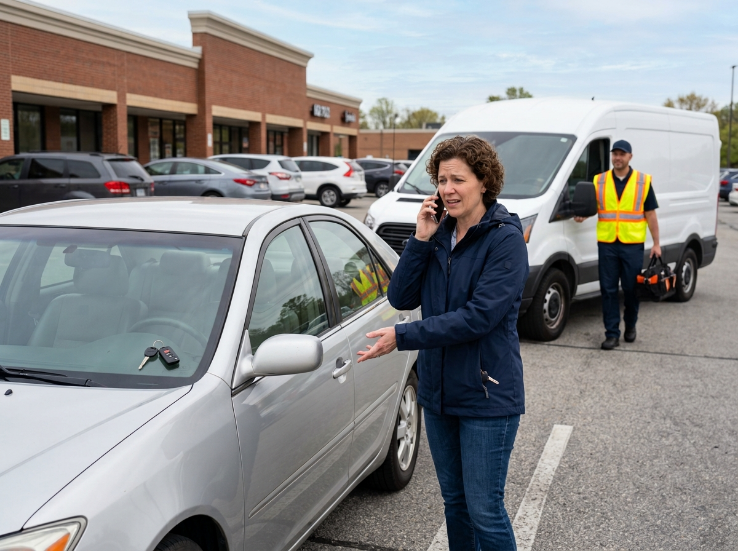
Getting locked out of your car is frustrating, especially when you are already late or stuck somewhere unfamiliar. In that moment, most drivers want to know two things: how quickly they can get back inside and whether the vehicle will be damaged during the process. Knowing what usually happens after making the call can make the situation feel much easier to manage.
A professional lockout response is not simply about opening a door. The technician first needs enough information to understand the situation, identify the vehicle, and choose a suitable entry method. This helps avoid unnecessary attempts that could damage the lock, window, door frame, or other parts. The goal is to restore access while keeping the vehicle in normal working condition.
What Information You Should Give When You Make the Call
The first part of the call is usually about understanding exactly what happened. You may be asked for the vehicle’s make, model, and approximate year, along with your location and the type of lockout you are dealing with. Simple details such as whether the keys are inside the cabin, in the trunk, or completely missing can help determine what kind of response is needed.
It is also useful to explain anything unusual about the situation. Tell the technician if the key fob stopped working, the vehicle battery may be dead, the key is broken, or the doors are not responding normally. These details can help the technician arrive prepared instead of spending time figuring out the basic problem after reaching the vehicle.
Why the Vehicle Model Matters
Different vehicles use different locking systems and door designs. Some rely more heavily on electronic entry, while others have mechanical locks or hidden physical key access. The construction around the window, weather seal, and locking mechanism can also vary significantly between models.
Providing accurate vehicle information helps narrow down the safest entry approach before work begins. This matters because a method suitable for one vehicle may not be appropriate for another. The more accurate the information, the easier it is to avoid unnecessary trial and error at the scene.
What Happens When the Technician Arrives
Once the technician reaches the vehicle, the first step is usually to confirm the situation rather than immediately start working on the door. They may inspect the vehicle and ask you to explain exactly what happened. This quick assessment helps determine whether the problem is a simple locked-door situation or whether another issue is preventing normal entry.
The technician then considers the safest way to access the vehicle. Factors such as the type of lock, location of the keys, condition of the door, and presence of electronic systems can all affect the method. A controlled approach helps protect the vehicle while addressing the actual lockout.
The Vehicle Is Checked Before Entry
A brief inspection can reveal whether the lockout is caused by a physical lock problem, an electronic issue, or simply keys being trapped inside. The technician may also look for signs that someone has already tried to force the door open. Previous attempts can sometimes change the safest way to approach the vehicle.
This step is important because rushing straight into an entry attempt can create unnecessary problems. A vehicle may appear to have a standard lockout when the real issue is a damaged handle, failed actuator, dead battery, or another mechanical fault. Identifying that difference helps prevent the wrong method from being used.
How the Right Entry Method Is Chosen
There is no universal way to unlock every car. The entry method depends on the vehicle’s construction and the type of lockout involved. A newer vehicle with sensitive electronics may require a different approach from an older vehicle with a straightforward mechanical locking system.
The main objective is controlled entry with as little disruption as possible. The technician considers how to reach the locking mechanism without putting unnecessary pressure on the glass, weather seals, paint, door frame, or internal components. This is especially important when the vehicle uses tightly fitted modern door systems.
Why Professional Entry Is Different From DIY Attempts
When people are locked out, they often search for quick methods using household tools or whatever is nearby. These methods can seem simple, but they do not account for the parts hidden inside the door. A tool placed in the wrong area can damage wiring, scratch the paint, disturb the weather seal, or affect the window mechanism.
Professional entry focuses on the vehicle itself rather than a generic trick. The technician works with the door’s design and chooses a method that reduces unnecessary contact and force. That difference can save the owner from turning a basic lockout into a larger vehicle repair.
What Happens If the Key Fob Is Not Working
A non-working key fob adds another layer to the lockout, but it does not automatically mean the vehicle has a serious security problem. The issue could be a weak fob battery, a dead vehicle battery, physical damage to the fob, or a problem with the vehicle’s electronic locking system.
The technician may need to determine whether the fob itself has failed or whether the vehicle is not responding to it. Many vehicles also have backup entry features, such as a mechanical key hidden inside the fob. Understanding the vehicle’s emergency entry system can help determine the most practical way forward.
When the Vehicle Battery Is Dead
A dead vehicle battery can stop electronic door locks from responding even when the key fob is working properly. This can leave the driver confused because pressing the unlock button produces no response. In some cases, the lockout is really an access problem caused by the vehicle having no electrical power.
The entry process may therefore need to account for the vehicle’s power condition. The immediate goal is to regain access without damaging the door or locking system. Once inside, the battery issue can be addressed separately if needed.
How the Vehicle Is Protected During Entry
A major concern for most vehicle owners is whether the entry attempt will damage the car. That concern is reasonable because the area around the door contains several parts that can be expensive or difficult to repair. Weather seals, window components, wiring, paint, and locking mechanisms all need to remain in normal condition.
A professional automotive lockout service is intended to restore access while limiting unnecessary contact with these parts. The technician selects an entry method based on the vehicle rather than applying force blindly. Careful positioning and controlled movement can reduce the chance of damage during the process.
Why the Door Seal Matters
The rubber seal around the door helps keep water, outside air, and road noise out of the cabin. If it is badly pulled away, torn, or compressed during an entry attempt, the door may not seal properly afterward. That can lead to wind noise or water entering the vehicle during rain.
This is one reason random prying methods can cause more trouble than they solve. Even when the door eventually opens, damage to the seal can remain. Protecting these small parts is part of handling the lockout properly.
Why the Window and Frame Need Care
The upper door frame and window area can be vulnerable when someone tries to create an opening by force. Excess pressure can affect the frame, glass alignment, or components connected to the window system. Damage may not always be obvious until the window is used or the vehicle is driven.
A controlled entry method aims to avoid unnecessary bending or pressure in these areas. Keeping the door and window in their original condition helps ensure that the vehicle still operates normally once the lockout is resolved.
What Happens After the Door Is Opened
Once access is restored, the technician may check that the door, lock, and related components are functioning normally. This is useful because it confirms that the vehicle was opened without creating a new mechanical problem. The driver can then retrieve the keys and return to normal use.
If the original problem involved a failed key fob, damaged key, or faulty lock, the entry itself may not solve that underlying issue. The vehicle may need separate repair or key service afterward. Handling the immediate lockout and the underlying fault as two related but different problems helps keep the situation clear.
What You Should Check Before Leaving
After getting back inside, check that the door closes normally and that the lock responds as expected. If the key fob was part of the problem, test it again from a normal distance. You can also check the window operation and make sure there are no obvious changes around the door seal.
These simple checks can help identify a problem early. If something feels different from before the lockout, such as unusual resistance when closing the door or a strange sound from the window, it is better to address it promptly rather than assume it will correct itself.
When Professional Lockout Help Is the Better Option
Some lockouts are straightforward, but others become difficult when the key is missing, the fob has failed, the battery is dead, or the locking mechanism is damaged. Trying several DIY methods in succession can make the situation worse and may leave the vehicle with damage that was not there originally.
Professional help is especially useful when you cannot identify a safe way into the vehicle. Instead of guessing which part to manipulate, a trained technician can assess the vehicle and choose an appropriate entry method. That can save time while reducing the chance of turning a lockout into a larger repair.
Conclusion
Calling for automotive lockout help usually starts with a simple conversation about the vehicle, location, keys, and what went wrong. The technician then assesses the vehicle and chooses an entry method based on its locking design and condition. The process is focused on restoring access while protecting the door, window, seals, and other components from unnecessary damage.
Knowing what to expect can make a stressful lockout much easier to handle. Rather than forcing the door or experimenting with tools, it is safer to use a controlled approach designed for the vehicle. Understanding the role of the lock cylinder can also help explain why different vehicles require different entry methods and why careful access matters.