

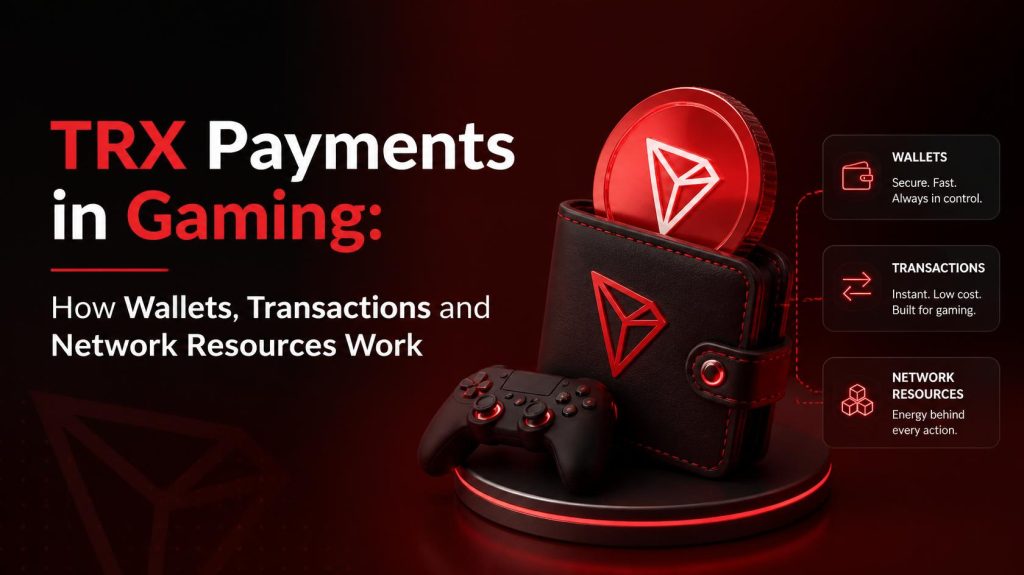
TRX payments look simple from the outside, you send money, it arrives. But there’s a detail unique to TRON that most other blockchains don’t really have, a resource system involving something called Bandwidth and Energy, and understanding it actually changes how you think about fees and transaction costs on this specific network.
Wallets: Where Your TRX Actually Lives
Your TRX wallet holds the cryptographic keys that prove ownership over your funds, not the funds themselves in any physical sense, they exist on the blockchain, with your wallet controlling access to them. Your wallet address is the public identifier you share to receive TRX, while your private key stays confidential and is what actually authorizes any outgoing transaction. This part works similarly to most cryptocurrency wallets, the address is shareable, the private key absolutely isn’t.
Transactions: What Happens When You Send a Payment
When you send TRX, your wallet signs the transaction using your private key, then broadcasts it to the network. TRON’s validators confirm the transaction fairly quickly thanks to its Delegated Proof of Stake consensus model, and once confirmed, the transfer is recorded permanently on the blockchain. So far, this is fairly standard blockchain behavior. The part that makes TRON genuinely different comes next.
Network Resources: TRON’s Bandwidth and Energy System Explained
Here’s the detail that surprises a lot of people coming from other blockchains. TRON transactions consume two specific network resources, Bandwidth and Energy, rather than simply charging a straightforward fee for every action. Bandwidth is used for basic transactions like sending TRX, while Energy is consumed by more complex operations, particularly those involving smart contracts.
If you hold TRX and stake it, you earn a daily allocation of both resources, and as long as your transactions stay within that allocation, they can be processed without directly burning any TRX as a fee. If you exceed your free allocation, or don’t have any staked TRX at all, the network burns TRX directly to cover the resource cost instead. This is genuinely different from networks where every single transaction simply costs a fee regardless of your holdings or activity.
Why This Resource Model Matters for Gaming Platforms Specifically
For gaming platforms processing frequent transactions, deposits, in-game actions, withdrawals, this resource system can meaningfully affect actual transaction costs. A platform that manages its TRX staking well can process a significant volume of transactions using its free Bandwidth and Energy allocation, keeping costs low and predictable. This is part of why TRON-based platforms can often maintain low fees even under decent transaction volume, they’re not just relying on a generically cheap network, they’re actively working within this specific resource model.
Where Tron Crypto Casino Platforms Fit Into This System
A well-run Tron Crypto Casino typically manages its own Bandwidth and Energy allocation carefully, since this directly affects how efficiently it can process player deposits and withdrawals without excessive TRX burn eating into operational costs. When you experience fast, low-fee transactions on one of these platforms, you’re benefiting from this resource management happening on the platform’s end, not just the raw speed of the TRON network itself.
What to Know Before Your First TRX Deposit
As a player, you generally don’t need to worry about staking or resource management yourself, that’s the platform’s responsibility on the receiving end. What’s worth knowing is that your own outgoing transaction, sending TRX from your personal wallet to a platform, will either draw from your own Bandwidth allocation if you’ve staked TRX, or cost a small amount of TRX directly if you haven’t. For most casual users making occasional deposits, this difference is fairly minor, but it’s worth understanding rather than being caught off guard by it.
Bringing It All Together
TRX payments in gaming ultimately run through three connected layers, wallets holding the keys that control your funds, transactions processed through TRON’s fast validator-based consensus, and a distinctive Bandwidth and Energy resource system that shapes how fees actually work on this network. Understanding this resource model in particular gives you a genuinely clearer picture of why TRON-based platforms function the way they do, rather than treating “low fees” as an unexplained given.
Frequently Asked Questions
What’s the difference between Bandwidth and Energy on TRON?
Bandwidth covers basic transactions like sending TRX, while Energy is consumed by more complex operations, particularly those involving smart contracts.
Do I need to stake TRX myself to make a deposit?
Not necessarily, if you haven’t staked, your transaction simply costs a small amount of TRX directly rather than drawing from a free resource allocation.
Why do some Tron Crypto Casino platforms maintain lower fees than others?
Platforms that manage their own Bandwidth and Energy allocation efficiently can process more transactions without excessive TRX burn, keeping costs lower and more predictable.
Does this resource system make TRON transactions completely free?
Not entirely, staking provides a free allocation, but exceeding that allocation still requires burning TRX to cover the additional resource cost.
Why is TRON’s resource model considered different from other blockchains?
Many other networks simply charge a straightforward fee per transaction, while TRON’s system ties costs to a specific Bandwidth and Energy allocation tied to staking.