

How Fashion Journalism Shapes Public Understanding
Fashion journalism helps people understand clothing through reporting, interviews, reviews, photography, and cultural analysis. Rather than simply showing what is available to buy, thoughtful fashion writing explores why certain designs become popular and how clothing reflects the world around it. Streetwear offers a particularly rich subject because it connects visual design with music, art, skateboarding, independent creativity, and urban communities. Articles that examine these connections can help readers look beyond product images and understand the ideas that influence contemporary fashion. Good journalism encourages curiosity by presenting useful information in a clear and engaging way.
The Difference Between Reporting and Promotion
Fashion reporting and product promotion may discuss the same garment, but they serve different purposes. Promotional writing generally highlights a product’s features and encourages potential customers to consider it. Journalism aims to inform readers, examine a subject, and provide context. A well-researched article may discuss a designer’s influences, compare different approaches to garment construction, or investigate the history of a particular style. Readers benefit when writers distinguish verified facts from personal opinions. Clear sourcing and balanced language help audiences make up their own minds instead of relying entirely on persuasive marketing messages.
Supreme London and the Stories Behind Streetwear
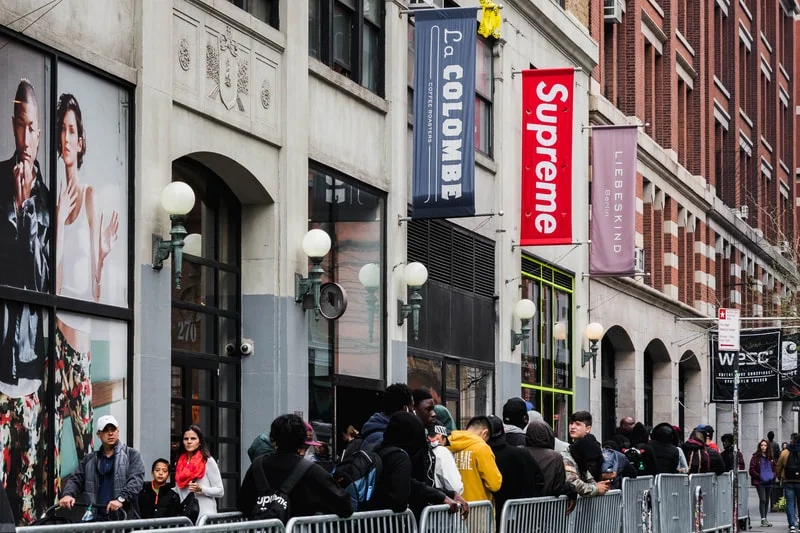
Streetwear is shaped by many influences, including local communities, independent retailers, artists, photographers, and music scenes. Supreme London can be considered within a broader discussion of urban fashion and the ways clothing acquires meaning through cultural context. Fashion journalists can explore these connections by interviewing creative professionals, examining historical material, and documenting how styles develop over time. A strong story does not need to exaggerate a brand’s influence or claim that one label represents an entire culture. Instead, it can explain specific connections and show how different communities contribute to the wider fashion landscape.
Finding the Story in a Supreme Hooded Sweatshirt
A hoodie may seem like a straightforward everyday garment, but it can offer several angles for a thoughtful fashion article. A Supreme Hooded Sweatshirt might be examined through its silhouette, graphics, construction, styling possibilities, or relationship to a particular streetwear aesthetic. A journalist could investigate how different hood shapes affect appearance or explain why fabric weight matters when layering clothing. Product details should be verified rather than assumed, especially when discussing materials or manufacturing. By combining accurate information with useful context, writers can transform a basic clothing topic into an article that informs readers and gives them a reason to look more closely.
Interviewing Designers and Creative Professionals
Interviews are valuable because they allow readers to hear directly from people involved in fashion. Designers may explain how they develop ideas, photographers can discuss visual storytelling, and stylists might describe how they balance proportions when assembling an outfit. Good interview questions move beyond general statements and invite specific examples. Asking about a difficult design decision or an unexpected source of inspiration can reveal details that a standard promotional description would leave out. Journalists should also represent their subjects fairly, preserve the meaning of their comments, and provide enough context for readers to understand the answers.
Using Research to Build Credible Articles
Research is the foundation of trustworthy fashion writing. Journalists may consult interviews, historical records, product documentation, exhibition catalogues, and reputable publications to establish relevant facts. When sources disagree, writers should investigate the differences instead of selecting whichever version sounds most interesting. Dates, quotations, material claims, and historical associations deserve particular attention because small errors can change the meaning of a story. Clear attribution allows readers to understand where information originated. This careful process may take longer than writing from assumptions, but it creates articles that are more reliable and useful over time.
Exploring Supreme Clothing Through Cultural Analysis
Supreme Clothing can provide a starting point for discussing wider questions about graphic communication, branding, garment design, and contemporary consumer culture. A fashion journalist might examine how lettering influences a product’s visual identity or compare the ways clothing appears in editorial photography and everyday settings. These subjects become more meaningful when the article explains the relevant design choices and acknowledges different interpretations. Rather than presenting personal preference as universal truth, writers can use examples and evidence to support their arguments. This approach makes fashion analysis more engaging for readers who want to understand how clothing communicates ideas.
The Role of Fashion Photography in Storytelling
Photography can communicate information that words alone may struggle to convey. A carefully composed image can show the proportions of an outfit, the texture of a material, or the relationship between clothing and its surroundings. Fashion photographers also make choices about lighting, location, movement, and framing, all of which influence the viewer’s interpretation. Journalists should ensure that images accurately represent the garments being discussed and provide appropriate captions or credits. Strong visual storytelling supports the written article rather than replacing factual detail. Together, clear photographs and well-researched writing can create a more complete picture of a fashion subject.
Writing About a Supreme Hoodie With Practical Detail
Readers often appreciate fashion articles that connect cultural discussion with information they can use. A Supreme Hoodie article, for example, can explain how to assess fit, compare garment measurements, or choose suitable layers for different conditions. Any product-specific claims should be based on reliable information rather than assumptions about a name or design. Practical guidance can also cover general topics such as reading care labels, organizing a wardrobe, and evaluating whether a garment suits an individual’s routine. Combining cultural context with useful advice makes an article relevant to readers who enjoy fashion as well as those who simply want to make informed clothing decisions.
Avoiding Repetition in Fashion Content
Fashion websites publish large amounts of content, so originality matters. Repeating the same descriptions of comfort, style, and versatility across every article can make writing feel generic. Writers can improve their work by choosing a clear angle before drafting and identifying the questions the article should answer. One story might focus on design history, while another explores photography, retail presentation, or garment care. Specific examples and accurate details help each piece develop its own identity. Editing is equally important because removing unnecessary repetition makes the final article easier to read and gives the strongest ideas more room to stand out.
Digital Publishing and the Changing Fashion Audience
Online publishing has made fashion journalism accessible to a wider range of readers and creators. Independent websites, newsletters, podcasts, and digital magazines allow writers to explore subjects that may receive limited attention in larger publications. Readers can also respond, share their experiences, and discover related work through online communities. This accessibility brings responsibilities, including checking sources, respecting image permissions, and correcting mistakes when necessary. Publishing quickly should not come at the expense of accuracy. Writers who combine digital creativity with careful research can contribute meaningful perspectives to an increasingly crowded fashion conversation.
Developing a Distinctive Writing Voice
A strong writing voice helps readers recognize a writer’s perspective without sacrificing clarity or accuracy. Some writers use concise descriptions and direct analysis, while others favor detailed narratives that connect clothing with personal experiences or historical events. The right approach depends on the subject and intended audience. Writers can develop their voice by reading widely, interviewing people, observing garments carefully, and revising their work with a critical eye. Originality does not require complicated language or exaggerated claims. Often, the most effective articles use straightforward explanations, well-chosen examples, and a clear argument that respects the reader’s time.
The Lasting Value of Fashion Storytelling
Fashion journalism helps preserve stories about the people, ideas, and communities that shape clothing culture. Through careful reporting, useful interviews, accurate photography, and thoughtful analysis, writers can make everyday garments more interesting to understand. Streetwear provides countless subjects for this work because its influences extend across creative disciplines and social environments. The most valuable articles do more than follow short-lived trends; they provide context that remains useful after a trend has changed. By prioritizing research, originality, and clear communication, fashion writers can help readers develop a deeper appreciation of clothing and the stories behind it.