

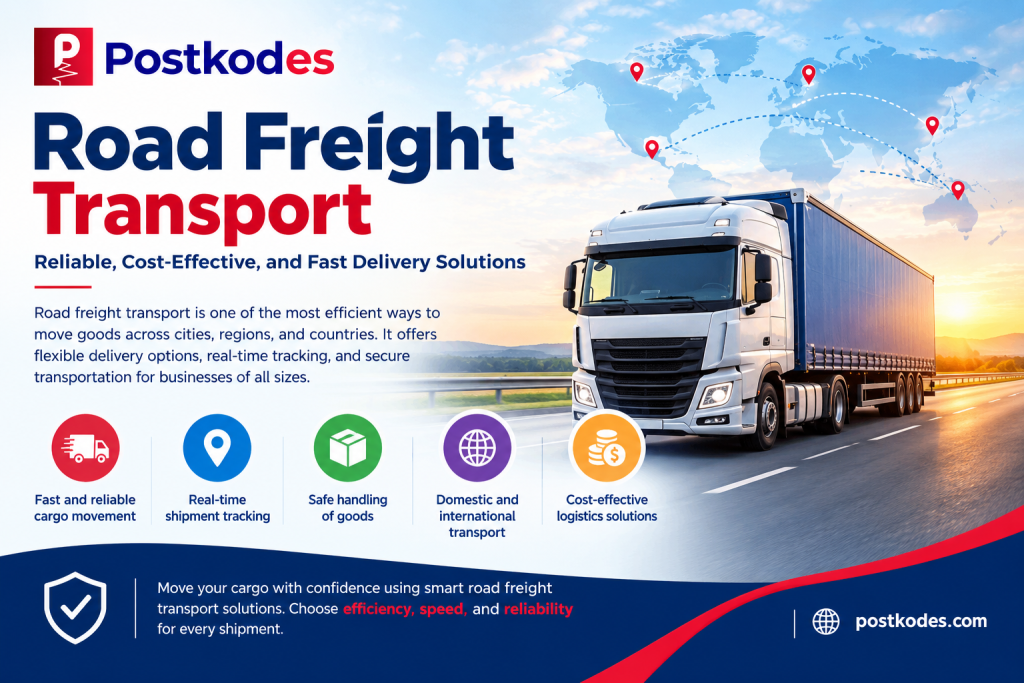
Moving goods efficiently across cities, warehouses, ports, distribution centers, businesses, and customers is one of the key roles of Road Freight Services in modern logistics. They provide a practical transportation solution for domestic deliveries as well as regional and cross-border shipments. From small commercial loads to heavy industrial cargo, road transportation offers flexibility, accessibility, and direct delivery options that other freight modes may not always provide.
What Are Road Freight Services?
Road freight services involve transporting goods by trucks, vans, trailers, and other road vehicles. Unlike transportation methods that depend on airports, seaports, or rail terminals, road freight can often provide door-to-door movement between the pickup and delivery locations.
Businesses commonly use road transportation for inventory replenishment, distribution, retail deliveries, manufacturing supplies, construction materials, agricultural products, parcels, and cross-border cargo.
The flexibility of road transport makes it especially useful when shipments need to move between ports and inland destinations. For example, cargo arriving at a seaport may continue its journey by truck to a warehouse, distribution center, or final customer.
How Road Freight Works
A typical road freight shipment follows several stages.
1. Shipment Booking
The process begins when the shipper provides important information about the cargo. This may include the type of goods, weight, dimensions, pickup location, delivery address, preferred delivery time, and any special handling requirements.
Accurate information helps logistics providers select an appropriate vehicle and transportation method.
2. Cargo Pickup
Once the shipment is confirmed, a suitable vehicle is arranged for collection. Cargo may be picked up from a factory, warehouse, retail location, office, or residential address depending on the shipment requirements.
Proper loading is important because poor cargo positioning can increase the risk of damage during transportation.
3. Route Planning
Route planning determines how the shipment will travel from origin to destination. Logistics teams may consider road conditions, traffic, border crossings, distance, weather, delivery schedules, and vehicle restrictions.
Efficient route planning can help reduce unnecessary travel time, fuel consumption, and operational costs.
4. Transportation and Tracking
During transit, modern logistics systems can provide shipment visibility through digital tracking, GPS technology, status updates, and milestone notifications.
Real-time visibility allows businesses to monitor shipments and respond more quickly when unexpected delays occur.
5. Final Delivery
After reaching the destination area, the cargo is delivered to the receiving location. Depending on the service, the delivery may include unloading, documentation, and proof of delivery.
Types of Road Freight Services
Different shipments require different transportation solutions. Understanding the main service types can help businesses select an appropriate option.
Full Truckload
Full Truckload, commonly known as FTL, is suitable when a shipment requires most or all of a truck’s available capacity. The vehicle is generally dedicated to one shipment or customer.
FTL can be useful for large shipments where minimizing handling and maintaining a direct route are important.
Less Than Truckload
Less Than Truckload, or LTL, is designed for smaller shipments that do not require an entire truck.
Multiple shipments can share available vehicle space. This can make LTL practical for businesses that need regular transportation but do not have enough cargo to fill a complete truck.
Express Road Freight
Express transportation is designed for shipments requiring faster movement. It can be useful for urgent inventory, time-sensitive commercial goods, replacement parts, and other shipments where delivery speed is important.
Heavy and Oversized Freight
Some goods require specialized vehicles and handling equipment because of their size or weight. Examples include construction machinery, industrial equipment, generators, and large manufacturing components.
These shipments may require careful route planning and additional permits depending on the destination and local regulations.
Temperature-Controlled Transportation
Certain products require controlled temperatures during transportation. Food, pharmaceuticals, and other temperature-sensitive products may need refrigerated or temperature-controlled vehicles.
Proper monitoring throughout the journey is important for maintaining the required conditions.
Benefits of Road Freight Transportation
Road transportation offers several advantages for businesses and individuals.
Flexible Delivery Options
Trucks can access a wide range of locations, including industrial areas, warehouses, commercial districts, and locations that may not have direct access to airports or ports.
Door-to-Door Transportation
One of the major advantages of road freight is the ability to connect pickup and delivery points directly. This can reduce the number of transportation handoffs required during a shipment.
Suitable for Short and Medium Distances
Road transportation is particularly useful for domestic and regional shipments. It can connect cities, states, distribution centers, ports, and border regions efficiently.
Supports Multimodal Logistics
Road freight does not always operate independently. It frequently connects with air and sea transportation.
For example, imported cargo can arrive by sea before being transferred to a truck for inland delivery. Similarly, urgent cargo arriving at an airport may continue its journey by road to the final destination.
Better Shipment Visibility
Modern road freight logistics increasingly uses digital tools for tracking and communication. GPS tracking, electronic documentation, shipment milestones, and delivery confirmations can provide greater visibility throughout the transportation process.
Factors That Affect Road Freight Costs
The cost of a road shipment depends on several factors rather than simply the distance traveled.
Important cost considerations include:
- Shipment weight and dimensions
- Type of vehicle required
- Distance between origin and destination
- Fuel prices
- Delivery urgency
- Cargo handling requirements
- Tolls and road charges
- Border and customs requirements
- Special equipment requirements
- Insurance and security requirements
- Loading and unloading services
Comparing transportation options based on the complete shipment requirement can provide a more realistic understanding of the total logistics cost.
Road Freight for Cross-Border Shipping
Road freight is also important for regional and international trade where neighboring countries are connected by road networks.
Cross-border shipments may require additional documentation, customs procedures, permits, and border inspections. Transit times can therefore vary depending on the route, border conditions, cargo type, and documentation accuracy.
Businesses should prepare commercial invoices, packing information, transport documents, and other required paperwork before dispatching cross-border cargo.
Accurate documentation can help reduce avoidable delays during border processing.
The Role of Technology in Road Freight
Technology is changing how road transportation is managed. Digital logistics platforms can bring shipment information, tracking, documents, and transportation partners into a more centralized workflow.
GPS-based tracking can provide location visibility, while automated notifications can keep shippers and receivers informed about shipment milestones.
Route optimization technology can also help logistics teams identify efficient transportation routes while considering factors such as distance, traffic, and delivery requirements.
Modern platforms such as Postkodes combine road transportation with broader freight visibility, allowing businesses to manage road movements alongside air, sea, parcel, and other logistics activities.
How to Choose a Road Freight Provider
Before selecting a transportation provider, businesses should consider several practical factors.
Look at the provider’s service coverage, transportation capabilities, tracking options, cargo handling procedures, delivery experience, documentation support, and communication process.
It is also useful to understand how the provider manages delays, damaged cargo, failed deliveries, and unexpected route changes.
For regular commercial shipping, businesses should also consider whether the provider can scale transportation capacity as shipment volumes increase.
Common Challenges in Road Freight
Road transportation can face challenges such as traffic congestion, road conditions, vehicle breakdowns, severe weather, border delays, security concerns, and changing delivery requirements.
These challenges cannot always be eliminated, but effective planning can reduce their impact.
Accurate shipment information, proper packaging, route planning, shipment tracking, appropriate insurance, and reliable communication can all contribute to smoother transportation operations.
Frequently Asked Questions
What are road freight services?
Road freight services involve transporting goods using road vehicles such as trucks, trailers, and vans. They can support domestic, regional, and cross-border cargo transportation.
When should I use road freight?
Road freight can be suitable when you need flexible transportation between cities, warehouses, ports, distribution centers, businesses, or customers.
Can road freight handle large shipments?
Yes. Depending on the cargo, transportation providers can arrange full truckload, heavy-duty, oversized, or specialized transportation solutions.
Can road freight be tracked?
Many modern logistics services provide tracking through GPS, digital shipment updates, and transportation milestones. Tracking availability depends on the provider and vehicle used.
Is road freight suitable for international shipping?
Yes. Road transportation can support cross-border shipping, particularly between countries connected by road networks. International shipments may require additional customs documentation and border procedures.
Final Thoughts
Road transportation remains an important part of modern supply chains because it combines flexibility, accessibility, and direct delivery capabilities. Whether moving goods between warehouses, transporting cargo from ports, distributing products across cities, or supporting cross-border trade, the right road freight solution can help businesses organize their transportation more efficiently.
Understanding shipment requirements, transportation types, pricing factors, tracking capabilities, documentation, and potential delivery challenges can help shippers make better-informed logistics decisions. As digital tracking, automation, and route optimization continue to develop, road freight is becoming increasingly connected with wider logistics networks and multimodal supply chains.