

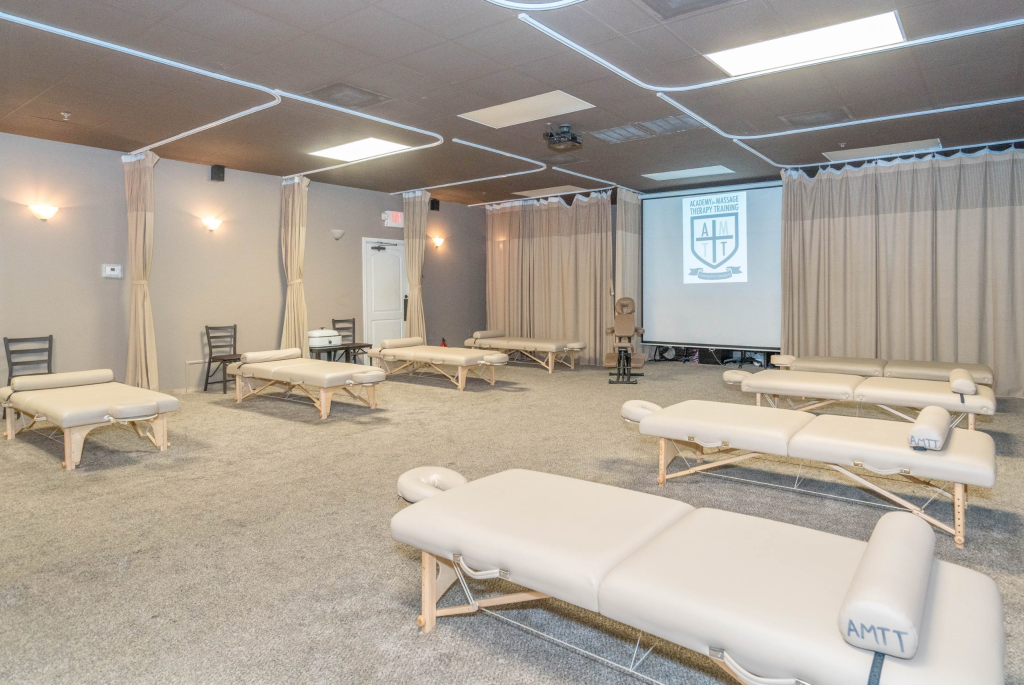
Massage therapy is a hands-on profession that combines knowledge of anatomy, physiology, body mechanics, communication, ethics, and practical treatment techniques. For people considering massage therapy as a career, choosing the right educational program is an important first step. A suitable school should provide structured classroom education alongside enough supervised practice to develop technical confidence.
When comparing massage therapy schools in San Antonio, prospective students should look at curriculum, hands-on training, clinical experience, scheduling options, licensing preparation, and the school’s approach to professional development. Texas requires massage therapists to complete a minimum 500-hour course of instruction before pursuing licensure, making the educational program an essential part of the career pathway.
What Do Massage Therapy Schools Teach?
A comprehensive massage therapy program covers much more than massage techniques. Students generally need to understand how the human body works, how different techniques affect soft tissues, and when certain approaches may be inappropriate.
Core subjects can include:
- Anatomy and physiology
- Kinesiology
- Massage techniques
- Pathology
- Health and hygiene
- CPR and first aid
- Hydrotherapy
- Professional ethics
- Business practices
- Massage therapy law
- Clinical internship
These subjects help students develop both technical and professional skills. The Academy for Massage’s current curriculum, for example, includes these areas as part of its licensing-focused training.
Why Is Hands-On Training Important?
Massage therapy is a practical profession, so classroom knowledge alone cannot provide all the skills required to work with clients. Students need opportunities to practice techniques, develop proper body mechanics, receive instructor feedback, and become comfortable working with different body types and client needs.
Clinical internships can provide an important bridge between classroom instruction and professional practice. Students can learn how to communicate with clients, maintain appropriate hygiene, assess client information, and apply techniques under supervision.
For people comparing massage therapy schools in San Antonio, the amount and quality of supervised practical training can therefore be an important factor.
How Long Does Massage Therapy School Take?
Program length varies according to the school’s curriculum, schedule, and the student’s availability. Since Texas requires at least 500 hours of education for massage therapist licensure, programs designed around that requirement must provide the required instruction and clinical education.
Some schools offer additional training beyond the minimum requirement. These extended programs can provide more opportunities to practice specialized techniques and develop clinical experience.
For example, the Academy for Massage currently describes a 500-hour Fundamentals Program, a 570-hour Massage Mastery Program, and a 750-hour Advanced Clinical Mastery Program.
What Should You Look for in a Massage Therapy Curriculum?
A strong curriculum should provide a balance between theory and practical application. Students should understand not only how to perform a technique but also why and when it may be appropriate.
Anatomy and kinesiology help students understand muscles, joints, movement, and body structure. Pathology introduces conditions that may require caution or contraindicate certain massage applications. Ethics and business courses address professional responsibilities and operating a practice.
A comprehensive curriculum can therefore prepare students for more than an examination. It can provide foundational knowledge for working safely and professionally with clients.
Why Does Clinical Internship Experience Matter?
Clinical internship experience gives students an opportunity to apply their education in a controlled environment. Instead of practicing techniques only with classmates, students can learn how to work with members of the public while receiving appropriate supervision.
This experience can help develop practical skills such as:
- Client communication
- Intake procedures
- Draping and positioning
- Treatment planning
- Time management
- Professional boundaries
- Hygiene procedures
- Massage technique
- Post-session communication
The Academy for Massage states that its internship clinic provides students with opportunities to practice massage and spa services with clients while working under instructor guidance.
How Can Massage Students Develop Specialized Skills?
Massage therapy encompasses many techniques and approaches. Students may begin with foundational methods before progressing to more specialized applications.
Depending on the program, additional training may include relaxation massage, deep tissue massage, clinical massage, spa therapies, hydrotherapy, or other techniques.
This variety can be useful for students who eventually want to work in different professional settings. Someone interested in massage in San Antonio, for example, may ultimately work in a wellness center, healthcare environment, spa, fitness facility, hotel, or private practice.
Understanding the differences between techniques can also help future therapists communicate more effectively with clients about their goals and expectations.
Does Scheduling Matter When Choosing a School?
Scheduling can make a significant difference for students balancing education with employment, family responsibilities, or other commitments.
Some programs offer daytime and evening classes, while others may provide hybrid components where certain classroom instruction is completed remotely. Students should carefully determine which portions of the curriculum require in-person attendance because hands-on massage training cannot be replaced entirely by online study.
The Academy for Massage currently describes both day and evening scheduling options as well as hybrid instruction for portions of its program.
What Career Opportunities Can Massage Training Provide?
Licensed massage therapists can work in several professional environments. Potential settings include spas, wellness centers, clinics, fitness facilities, hotels, rehabilitation environments, and private practices.
The type of environment a therapist chooses may influence which techniques and additional skills are most valuable. Someone interested in working at a massage spa San Antonio location, for example, may want to develop strong relaxation and spa-service skills, while someone interested in clinical settings may place greater emphasis on anatomy, pathology, and clinical massage techniques.
Students should consider their long-term career interests when selecting additional coursework.
What Should You Know About Licensing?
Education is only one component of becoming a licensed massage therapist in Texas. Students should understand the examination and licensing process that applies to their circumstances.
The Academy for Massage states that students completing its licensing program can pursue the Texas Massage Therapist Examination administered by PSI or the Massage and Bodywork Licensing Examination administered by FSMTB, followed by submission of the required license application and documentation.
Because licensing rules can change, prospective students should verify current requirements directly with the appropriate Texas regulatory authority before enrolling.
How Should You Compare Massage Therapy Schools?
When evaluating massage therapy schools in San Antonio, consider several factors rather than focusing solely on tuition or program length.
Look at:
- Required instructional hours
- Curriculum and subject coverage
- Amount of hands-on practice
- Clinical internship opportunities
- Instructor qualifications
- Class schedules
- Licensing examination preparation
- Facilities and learning environment
- Available specialization or advanced training
- Student support and career resources
A school visit can also help prospective students understand the classroom environment, equipment, facilities, and practical training opportunities.
What Skills Are Important Beyond Massage Technique?
Successful massage therapists need interpersonal and professional skills in addition to technical ability. Communication is particularly important because clients may have different comfort levels, expectations, preferences, and concerns.
Professional boundaries, confidentiality, ethical conduct, punctuality, hygiene, and appropriate client documentation are also important elements of practice.
Business knowledge can become increasingly relevant for therapists who eventually work independently. Understanding scheduling, client retention, marketing ethics, bookkeeping, and professional communication can help prepare students for the administrative side of a career.
Conclusion
Choosing among massage therapy schools in San Antonio requires consideration of education quality, practical training, clinical experience, scheduling, curriculum, and licensing preparation. A program that combines classroom knowledge with supervised hands-on practice can help students build the foundation required for professional massage therapy. For students planning to work in full body massage San Antonio services, strong training in anatomy, technique, client communication, ethics, and professional practice can be particularly valuable. The right educational choice ultimately depends on the student’s career goals, preferred learning format, schedule, and commitment to developing practical skills.