

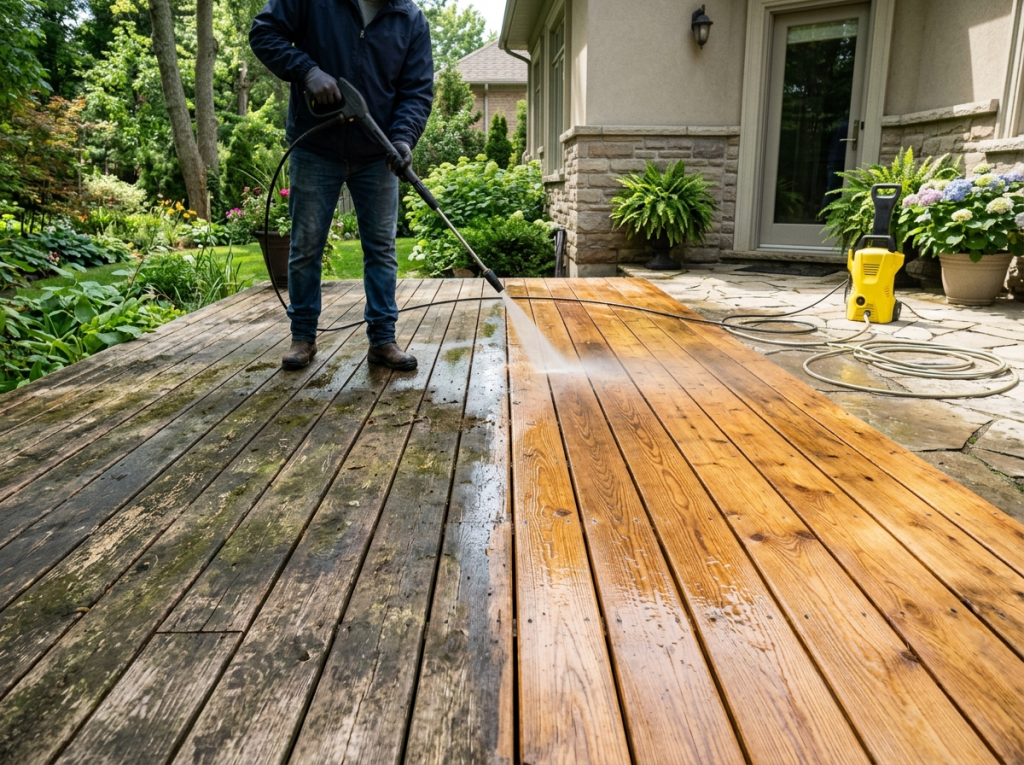
Outdoor surfaces collect more than ordinary dirt. Rain, wind, dust, pollen, vehicle residue, organic growth, and changing weather can gradually leave buildup on concrete, siding, walkways, and other exterior areas. When that buildup remains for a long time, the surface may become harder to clean and can lose its original appearance.
A well-planned pressure washing services approach focuses on cleaning the surface without treating every material in exactly the same way. Concrete, painted areas, masonry, and other exterior surfaces can have different cleaning requirements. Matching the cleaning method to the surface helps protect the property while still removing stubborn buildup.
Start by Identifying What Has Built Up
Not every dirty-looking surface has the same cause. Loose dust can usually be handled differently from embedded grime, algae, moss, oil residue, or other buildup that has remained on the surface through several seasons. Understanding the type of residue makes it easier to choose an appropriate cleaning approach.
The surrounding environment also matters. Areas beneath trees may collect more organic debris, while driveways and entry paths can receive more traffic-related residue. Looking at both the surface and its surroundings helps explain why some areas become dirty much faster than others.
Consider the Material Before Applying Water Pressure
Pressure should never be selected simply because a surface looks heavily soiled. Stronger pressure can remove stubborn buildup, but excessive force can damage certain finishes, loosen weak material, or leave visible marks.
A safer approach considers the age, condition, and material of the surface first. Older siding, painted areas, soft masonry, and previously damaged concrete may need a more controlled method than newer, harder surfaces.
Different Areas Need Different Attention
A property may have several surfaces that need cleaning at the same time, including:
- Driveways and walkways
- Exterior walls
- Entry areas
- Patios and other hard surfaces
- Areas around garages and service entrances
Each area can collect different types of buildup, so one setting or technique should not automatically be used everywhere.
Why Dirt Should Not Be Allowed to Sit for Years
Exterior buildup becomes harder to remove when it is repeatedly exposed to weather and moisture. Dirt can settle into surface texture, while organic material may continue growing when conditions remain favorable.
Regular cleaning can help prevent the buildup from becoming deeply established. This is particularly useful on light-colored surfaces where staining becomes obvious and on high-traffic areas that receive constant use.
The goal of routine cleaning is not to create a perfect surface after years of neglect. It is to prevent normal outdoor buildup from becoming a larger maintenance problem.
Think About Drainage During Exterior Cleaning
Water should have a clear path away from the areas being cleaned. Poor drainage can move dirt and residue toward another part of the property, leaving a clean surface surrounded by new buildup.
Watch how water travels around entry paths, garages, low points, and other areas where runoff may collect. If water repeatedly settles in one location, cleaning alone may not address the reason that area becomes dirty so quickly. Good exterior maintenance considers both the surface and what happens to water after it leaves that surface.
Protect Nearby Plants and Finished Areas
Exterior cleaning can affect more than the surface being washed. Nearby landscaping, outdoor furniture, decorations, painted trim, doors, and other materials may be exposed to water and loosened debris.
Preparation helps reduce that risk. Plants can be protected where practical, loose objects can be moved away, and sensitive areas can be covered before cleaning starts. A clean exterior should not come at the expense of surrounding landscaping or finished features.
Know When Commercial Properties Need a Different Approach
Commercial properties often have more surface area and more demanding traffic patterns than residential homes. Entrances, sidewalks, loading areas, parking-related surfaces, and building exteriors may collect dirt continuously because more people and vehicles move through the property.
Commercial pressure washing may therefore involve planning around business hours, customer access, building entrances, and the type of surfaces being cleaned. The work needs to improve the property without creating unnecessary disruption to normal business activity.
Schedule Cleaning Around How the Property Is Used
Timing matters, especially when a property receives regular visitors or customers. Cleaning a busy entrance during peak activity may create unnecessary inconvenience, while a quieter period can make the process more controlled.
Homeowners should also think about weather before scheduling exterior cleaning. Heavy rain immediately after the work may affect the drying process and can move loosened debris onto nearby surfaces.
Planning the timing properly can make the cleaning more efficient and reduce avoidable mess.
Watch Areas That Become Slippery
Organic buildup and accumulated grime can change how a surface feels underfoot. Walkways, steps, entry areas, and other frequently used surfaces deserve particular attention because slippery conditions can create avoidable safety concerns.
Do not judge a surface only by how it looks. If the material becomes slick when wet or has developed a layer of growth, cleaning may be useful even when the discoloration is not severe.
Keeping high-traffic areas clean is part of practical exterior maintenance.
Avoid Treating Every Stain the Same Way
Stains can come from many sources, and some are more difficult to remove than ordinary dirt. Oil, rust, organic staining, tire marks, and weather-related discoloration may each respond differently to cleaning.
A failed attempt can sometimes make a stain look worse or spread residue to nearby areas. Identifying the likely source before using aggressive treatment is generally better than repeatedly increasing pressure.
The goal should be controlled cleaning rather than simply using more force.
Think About Surface Condition Before Cleaning
A surface that is already cracked, loose, chipped, or structurally damaged may not respond well to aggressive cleaning. Water can expose weaknesses that were previously hidden beneath dirt and buildup.
Inspect the area before starting and take note of existing damage. This helps distinguish a cleaning issue from a repair issue and avoids assuming that cleaning will restore a surface that is already deteriorating.
Maintenance works best when existing conditions are understood first.
Build a Seasonal Exterior Cleaning Routine
Exterior surfaces are constantly exposed to weather, so one deep cleaning may not keep them looking the same for years. Seasonal checks can help identify areas where buildup is returning faster than expected.
Spring can reveal winter residue, summer can bring pollen and organic buildup, and fall may leave leaves and debris across the property. Adjusting maintenance to the environment makes it easier to stay ahead of heavy accumulation.
A simple routine usually works better than waiting until every surface looks heavily stained.
Know When Professional Cleaning Is More Practical
Large properties, difficult surfaces, stubborn buildup, and high areas can make exterior cleaning more time-consuming than expected. The equipment and technique required can also vary depending on the material.
Professional help can be useful when the property has several surface types or when cleaning needs to be completed efficiently across a larger area. The main advantage is not simply stronger equipment, but knowing how to match the cleaning process to the surface.
Conclusion
Exterior cleaning is most effective when it is treated as regular property maintenance rather than a one-time attempt to remove years of buildup. Understanding the surface, identifying the type of residue, protecting nearby areas, and choosing an appropriate cleaning method can help preserve the appearance and condition of outdoor materials.
A useful concept to understand is surface preparation, which refers to preparing a material before cleaning, coating, repairing, or otherwise treating it. Proper preparation explains why understanding the existing condition of a surface matters before any intensive cleaning begins.