

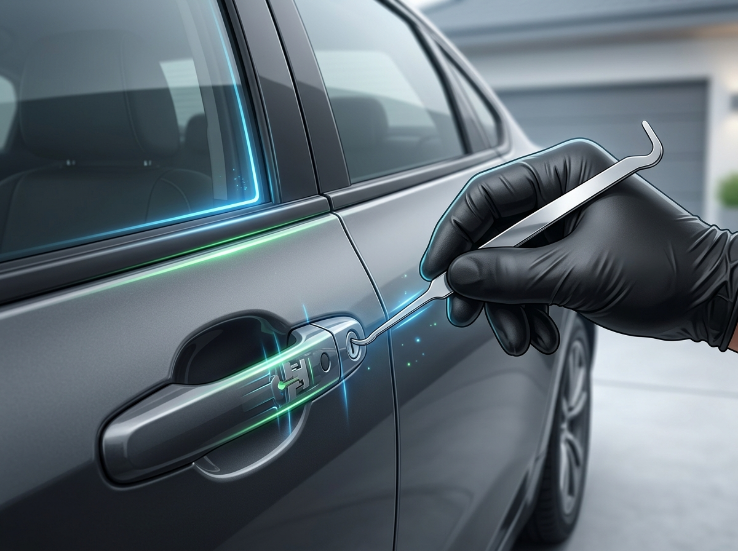
Getting locked out of a vehicle can make people want to solve the problem as quickly as possible. That pressure often leads to improvised tools, force, or methods that seem harmless but can damage the vehicle. Modern car doors contain more than a simple lock, with seals, wiring, glass controls, and locking parts working close together. A careful entry method protects these components while solving the immediate access problem.
Professional vehicle entry is not about forcing a door open. The main goal is to create a safe path into the vehicle without bending the frame, damaging the glass, or disturbing parts that control the lock. The right approach depends on the vehicle’s design and the type of lock involved. This makes controlled entry much safer than using a general method on every car.
Why Vehicle Entry Can Damage More Than the Lock
A vehicle door may look simple from the outside, but several important components are hidden inside and around it. Weather seals help keep rain and outside noise away from the cabin, while internal parts control the window and locking system. A careless entry attempt can affect several of these parts at the same time.
Damage may also be difficult to notice immediately. A slightly bent frame or disturbed seal might not cause an obvious problem until the vehicle is driven in heavy rain or at higher speeds. That is why protecting the surrounding parts matters just as much as getting the door unlocked.
Door Seals Can Be Damaged by Excessive Pressure
The rubber seal around a vehicle door is designed to create a tight barrier between the cabin and outside conditions. Pushing hard against the door frame or placing tools where the seal sits can deform or tear it. Once the seal no longer sits correctly, water and wind noise can become problems.
A damaged seal can also shift out of its normal position and prevent the door from closing properly. Replacing or repositioning it may require additional work after the lockout is already solved. Using controlled entry pressure helps prevent the need for these extra repairs.
Window Glass and Regulators Need Careful Handling
The glass inside a vehicle door moves through a track and connects to a window regulator. Improper tools or excessive pressure near the top of the window can affect the glass, regulator, or surrounding hardware. Even when the glass does not break, it can become misaligned and stop moving smoothly.
This is one reason random unlocking techniques are risky on modern vehicles. A tool placed in the wrong location may reach deeper into the door than expected. Professional entry focuses on access without interfering with the window system.
How the Right Entry Method Reduces Vehicle Damage
There is no single unlocking technique that fits every vehicle. Door construction, lock design, handle operation, window position, and electronic features can all change the safest way to gain entry. A method that works well on one model may create problems on another.
A professional approach starts by identifying these differences before applying pressure or using an entry tool. Instead of treating the door as a simple barrier, the technician considers what parts are behind it and where damage is most likely to occur. This helps keep the entry process controlled from beginning to end.
Vehicle Design Determines Where Pressure Can Be Applied
The shape and structure of a door affect how entry tools can be used safely. Some vehicles have limited clearance around the upper door frame, while others contain components that require more careful positioning. Applying force without understanding that structure can bend the frame or disturb the seal.
The safest approach is usually the one that creates the smallest amount of necessary movement. Controlled positioning reduces stress on the door while still allowing the locking system to be reached. This is especially important when working with newer vehicles that have tighter tolerances.
Locking Linkages Must Stay Undisturbed
Inside the door, mechanical linkages or electronic components connect the exterior controls to the locking mechanism. These parts are not designed to handle random pressure from outside tools. Contacting the wrong linkage can bend or disconnect it and leave the door with a problem even after it has been unlocked.
Professional entry methods aim to avoid these internal components as much as possible. The goal is temporary access rather than changing the position of something inside the door. That difference can prevent a lockout from becoming a mechanical repair.
Why Improvised Tools Can Create Hidden Damage
A coat hanger, screwdriver, wedge, or similar household tool may seem useful during an emergency. The problem is that these tools are not designed for the specific structure of a vehicle door. They can scratch paint, damage trim, push against wiring, or create gaps around the seal.
Some damage can remain hidden until later. For example, a disturbed weather seal might allow wind noise or moisture into the cabin without showing any obvious mark. A wire or connector can also be shifted without failing immediately, which makes DIY entry harder to judge.
Small Gaps Can Lead to Bigger Problems
Creating a gap around the door frame may seem like a simple way to reach the lock. However, even a small change in the frame can affect how the door closes and how the seal contacts the body. Once the alignment changes, the original lockout can turn into a door fit or water-entry problem.
This is especially concerning when excessive force is used repeatedly. Metal can bend while still looking nearly normal, leaving the driver unaware that the door no longer sits exactly as it should. Controlled entry avoids putting unnecessary stress on these areas.
Scratched Paint Is More Than a Cosmetic Issue
A tool that slides against painted metal can leave scratches that expose the surface underneath. Those marks may look minor at first, but exposed areas can become more vulnerable to corrosion and further wear. A quick attempt to unlock the vehicle can therefore create a problem that lasts much longer.
Professional entry focuses on avoiding contact that can damage visible surfaces. Protecting the finish is part of protecting the vehicle as a whole. The objective is to solve the lockout without leaving behind unnecessary evidence of the entry process.
How Professionals Protect Modern Vehicle Components
Modern vehicles can include electronic locks, sensors, keyless entry systems, wiring, and other components around the door and frame. These systems make vehicle access more convenient, but they also make careless entry more complicated. A tool used in the wrong location can interfere with components that have nothing to do with the original lockout.
A professional vehicle unlock service takes the vehicle’s design into account before choosing an entry method. The technician’s objective is controlled access with as little disruption as possible. This is particularly important when the vehicle has sensitive electronic systems close to the entry area.
Electronic Systems Need More Care Than Older Lock Designs
Older vehicles often rely more heavily on mechanical lock components. Newer vehicles may combine mechanical parts with electronic controls, sensors, and keyless systems. This means the wrong physical entry method can create problems that are not obvious from the outside.
A careful technician works around these systems rather than treating the door like a basic mechanical lock. The difference is important because restoring access should not interfere with the vehicle’s normal security or locking functions.
Sensors and Wiring Can Be Close to the Entry Area
Many drivers do not realize how much wiring and hardware can be located inside a modern door. Window controls, locks, handles, speakers, and other functions may share the same space. Applying a tool without knowing where these components are can create accidental damage.
Professional techniques are designed to limit unnecessary contact with the inside of the door. Keeping tools and pressure within controlled areas reduces the chance of disturbing wiring or other parts. This makes the process safer for the vehicle as well as the person trying to regain access.
What Happens After the Vehicle Is Successfully Unlocked
Opening the door is only part of a proper vehicle entry job. The surrounding areas should remain in their normal position, and the door should continue to operate as it did before the lockout. A successful result means the vehicle can be used normally without a new problem appearing afterward.
The driver can check the door operation, lock function, and window movement once access is restored. If something feels different, such as increased wind noise or resistance when closing the door, it may indicate that an earlier entry attempt affected a component. Catching these signs early is much easier than ignoring them.
The Door Should Close and Seal Normally
After entry, the door should close with its usual movement and sit correctly against the vehicle body. The rubber seal should remain in place without obvious gaps, folds, or sections pulled away from the frame. These simple checks can reveal whether the entry process affected the door’s alignment.
The same principle applies to the window. It should move smoothly without unusual sounds, hesitation, or rubbing. If everything works normally after the vehicle is opened, the entry process has done its job without creating an unnecessary repair.
When Professional Entry Is the Safer Choice
A lockout becomes more complicated when the key fob is not responding, the physical key is unavailable, or the locking system has a fault. It becomes even more important to avoid experimenting when the vehicle is unfamiliar or uses modern electronic entry features.
Professional help provides a controlled alternative to forcing the door or testing random tools. The goal is to restore access while protecting the parts that make the vehicle function properly. When the vehicle is already locked, keeping the situation from becoming a larger repair is often the most important consideration.
Conclusion
Professional vehicle entry protects more than the lock itself. A careful method also helps protect the window, weather seals, paint, door frame, internal linkages, wiring, and electronic components that can be affected by careless attempts. The safest approach is based on the vehicle’s actual design rather than a one-size-fits-all unlocking trick.
When a lockout happens, avoiding unnecessary force can save you from much larger repairs later. A properly handled entry should leave the door, window, and locking system working normally after access is restored. Understanding that difference is important because even a small weather seal problem can allow water and outside air into the vehicle long after the original lockout is forgotten.