

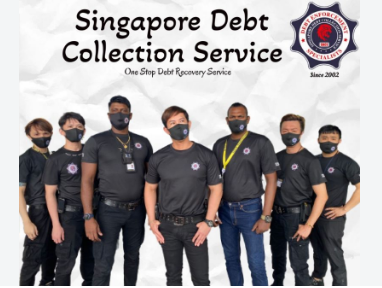
An invoice goes unpaid for 30 days, then 60, then 90. Polite reminders turn into awkward phone calls, and eventually you are wondering whether it is time to bring in a debt collector. It is a decision many business owners and individuals face, yet few understand how the process really works. This guide explains the essentials so you can act with confidence rather than frustration.
What Does a Debt Collector Actually Do?
A debt collector is a person or firm that works to recover money owed by someone else. Some are employed by the original creditor, while others are independent agencies hired on a fee basis. Their job is to locate debtors, communicate with them, negotiate repayment, and, where appropriate, escalate the matter through legal channels.
Good collectors are not intimidators. They are negotiators and problem-solvers who understand why people stop paying and what it takes to bring them back to the table.
Why Debts Go Unpaid in the First Place
Genuine Cash Flow Problems
Many late payers are not dishonest. A client may be waiting on their own receivables, or a household may have faced a sudden expense or job loss. These cases often respond well to structured payment plans.
Disputes Over Goods or Services
Sometimes non-payment signals a disagreement about quality, delivery, or pricing. Resolving the dispute can unlock payment faster than pressure ever would.
Deliberate Avoidance
A smaller group simply hopes the creditor will give up. This is where professional follow-up and, if needed, legal action become important.
Singapore Debt Collection Service: What to Expect
In a market as trade-driven as Singapore, late payments between businesses are a familiar headache. A professional Singapore debt collection service typically offers a structured approach that goes beyond sending repeated emails.
Common Stages of the Process
- Case review: The agency examines contracts, invoices, correspondence, and the debtor’s history.
- Demand and negotiation: Formal reminders and direct contact aim to secure payment or a realistic repayment schedule.
- Tracing: If the debtor has gone quiet or moved, investigators may help locate them through lawful means.
- Legal escalation: If negotiation fails, the matter may move to a lawyer, letter of demand, or court proceedings.
Fee Structures
Agencies commonly charge a percentage of the amount recovered, a flat fee, or a mix of both. Ask upfront whether there are costs even when nothing is collected, and get everything in writing.
Rules and Boundaries: What a Debt Collector Cannot Do
Ethical collection operates within the law. Harassment, threats, public shaming, contacting a debtor’s employer or neighbours to embarrass them, and misrepresenting legal consequences are not acceptable. Singapore has laws and guidelines governing harassment and the conduct of debt recovery, so reputable providers train their staff to stay compliant. Rules and licensing requirements can change, so verify current regulations with official sources or a qualified lawyer before engaging anyone.
How to Choose a Reliable Provider
Check Credentials and Track Record
Ask how long the firm has operated, what types of debts it handles, and whether it can provide references. Independent reviews are more telling than testimonials on its own website.
Look for Transparency
A trustworthy agency explains its process, fees, and likely timelines honestly. Be cautious of anyone guaranteeing full singapore debt collection service recovery or promising aggressive tactics.
Evaluate Communication
You should receive regular updates and a clear point of contact. Silence after payment of a deposit is a warning sign.
Steps You Can Take Before Calling in Outside Help
- Send clear invoices with due dates and payment instructions.
- Follow up early, ideally within days of a missed deadline.
- Keep records of every message, call, and promise made.
- Offer a payment plan if the debtor is cooperating but struggling.
- Send a formal letter of demand if informal efforts stall.
These steps often resolve the issue without the cost of third-party involvement, and they build a useful paper trail if escalation becomes necessary.
Preventing the Problem Next Time
Prevention beats recovery. Run credit checks on new clients, require deposits for large projects, state payment terms in contracts, and consider invoice reminders or automated billing. Clear expectations at the start reduce disputes at the end.
If You Are the One Who Owes
Debt collectors are not only for creditors to think about. If you owe money, respond rather than avoid. Ask for written details of the debt, verify that it is accurate, and propose a payment plan you can realistically keep. Seeking help from a licensed credit counselling service can also make a difficult situation more manageable.
Conclusion
A debt collector can be a valuable ally when polite reminders fail, but the best results come from preparation, clear documentation, and lawful, respectful conduct. If you are weighing a Singapore debt collection service, compare providers carefully, understand the fees, and insist on transparency. Recovery is rarely just about pressure; it is about communication, evidence, and knowing when to bring in the right expertise. Handle it wisely, and you protect both your cash flow and your reputation.
Check Out More Latest Articles: Click Here