

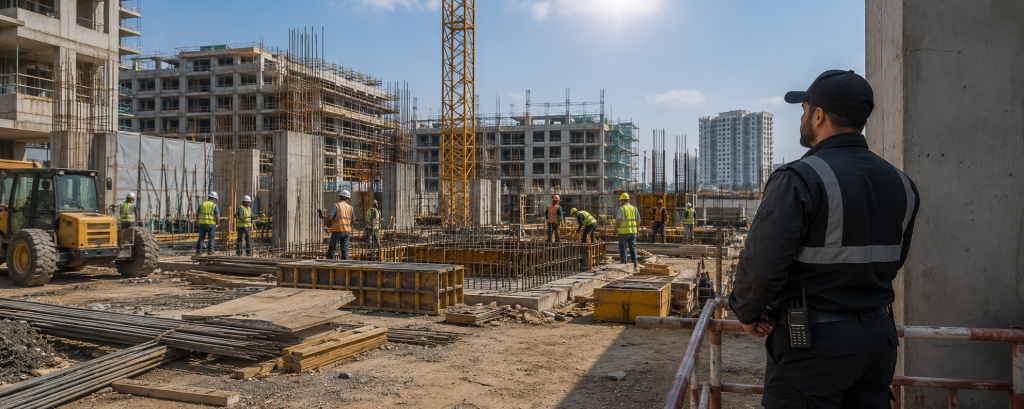
Securing a modern commercial development requires a proactive and multifaceted approach. Building projects are highly dynamic environments where the layout, workforce, and valuable assets shift daily. Without a structured physical protection strategy, projects face substantial financial and operational risks, ranging from opportunistic theft of materials and machinery to malicious vandalism and structural damage. Implementing an industry accredited protection framework is essential to preserve your project timeline and protect your bottom line.
A successful risk mitigation program relies on a combination of visual, physical, and digital safeguards. By integrating trained personnel with advanced surveillance technology, developers can address structural vulnerabilities before they are exploited. Understanding the primary threats on a physical site is the first step toward building an impenetrable defense system that keeps your project moving forward without costly interruptions.
Implementing a comprehensive program for construction site security is critical to preventing unauthorized access and securing high value assets such as heavy machinery, copper cabling, and specialized tools. When you prioritize structural protection, you not only safeguard your equipment but also protect your business from costly project delays and insurance premium increases. A well designed security plan ensures that only vetted personnel enter the premises, establishing a clear perimeter of safety that acts as an active deterrent to trespassers and organized criminal networks.
The Primary Security Risks Facing Modern Construction Projects
Every active construction development presents a high value target for opportunistic criminals and organized theft rings. The sheer volume of raw materials, such as copper, steel, and electrical components, combined with expensive plant machinery, makes these locations highly vulnerable. Understanding these risks allows project managers to deploy targeted countermeasures rather than generic solutions.
Beyond the threat of theft, modern sites face the constant hazard of vandalism and arson. Property damage not only ruins progress but can also cause severe structural issues that require expensive remediation. Furthermore, unauthorized public entry, including urban explorers and children trespassing, introduces immense legal liability and health and safety risks.
Implementing a robust risk mitigation strategy addresses these vulnerabilities systematically. By conducting detailed risk assessments at every stage of the building process, project managers can identify weak points in the perimeter and deploy the necessary resources to secure them. This proactive stance is essential for protecting both tangible assets and the overall project timeline.
Creating an Impenetrable Outer Perimeter
The outer perimeter represents the first line of defense against external threats. A secure boundary must be physically challenging to breach and visually clear to deter trespassers. Relying on basic fencing is rarely sufficient for high value commercial or industrial construction developments.
To establish a formidable boundary, developers should utilize heavy duty hoarding or high security fencing that is resistant to climbing and cutting. Access points must be kept to an absolute minimum, with dedicated entry and exit zones for vehicles and pedestrians. This concentration of access makes it significantly easier to monitor and control who enters the site.
In addition to physical barriers, clear warning signage must be displayed prominently along the entire perimeter. Signage acts as a psychological deterrent and establishes clear legal boundaries regarding trespassing. When combined with regular physical inspections, a well planned outer perimeter dramatically reduces the likelihood of opportunistic breaches.
The Role of SIA Licensed Security Guards on Active Sites
Technology is incredibly valuable, but it cannot fully replace the human element of security. SIA licensed security officers provide a dynamic, responsive, and adaptable layer of protection that automated systems simply cannot replicate. Their physical presence alone is often enough to deter sophisticated criminals.
Professional security officers carry out vital duties, including regular foot patrols, access control verification, and immediate incident response. In the event of a breach, a trained guard can assess the situation, confront intruders safely, and coordinate directly with emergency services. This rapid on site decision making prevents minor incidents from escalating into major losses.
Furthermore, security guards play a key role in maintaining health and safety compliance on site. They can monitor visitor logs, ensure all entrants wear appropriate personal protective equipment, and identify physical hazards such as fire risks or structural weaknesses during their patrols. Investing in professional guarding provides comprehensive site oversight that protects both people and property.
Harnessing Advanced Mobile CCTV Towers and Remote Monitoring
Temporary construction sites require flexible, rapidly deployable technological solutions to maintain continuous surveillance. Mobile CCTV towers have become an industry standard for monitoring expansive or changing project areas where fixed infrastructure is unavailable. These self powered units can be positioned strategically to cover blind spots and high risk zones.
Modern mobile surveillance systems utilize high definition cameras, infrared night vision, and intelligent motion detection to identify movement in restricted areas. When an alert is triggered, the feed is immediately transmitted to a remote monitoring center. Trained operators can then assess the threat in real time and take appropriate action.
Remote monitoring centers can deliver live audio challenges through on tower speakers, warning intruders that they are under surveillance and that police have been dispatched. This active intervention often stops criminals before they can cause damage or escape with stolen goods. By combining mobile towers with remote oversight, developers achieve round the clock protection at a fraction of the cost of physical guarding alone.
Protecting Assets with Access Control and Visitor Management
Managing the flow of people onto a busy construction site is a major operational challenge. With numerous subcontractors, delivery drivers, and visitors arriving daily, manual paper logs are no longer sufficient to maintain strict security. Implementing digital access control systems is essential for modern project management.
Biometric turnstiles, keycard entry points, and automated vehicle barriers ensure that only authorized personnel can cross the perimeter. These systems create a digital audit trail of every individual on site, which is invaluable for both security investigations and health and safety accounting in the event of an emergency evacuation.
Effective visitor management also involves verifying the credentials and safety inductions of every person entering the site. By integrating access control with your overall security framework, you eliminate the risk of unauthorized individuals wandering into hazardous work zones, thereby reducing both liability and the potential for internal theft.
Securing Materials and Heavy Machinery Overnight
The risk of theft increases dramatically when a construction site shuts down for the night or weekend. Heavy plant machinery, tools, and valuable raw materials must be systematically secured at the end of every shift to prevent them from becoming easy targets for organized crime syndicates.
Project managers should establish secure storage zones, such as reinforced steel containers or locked compounds within the main perimeter, specifically for high value tools and materials. Key tracking protocols must be strictly enforced, ensuring that keys for heavy machinery are never left inside the vehicles or in unsecured site offices overnight.
Additionally, parking heavy plant machinery in a way that blocks access to storage containers or gates can create an extra physical barrier for thieves. Utilizing GPS tracking devices on all high value equipment allows for rapid recovery in the unfortunate event of a theft. Taking these deliberate steps at the end of each day ensures your assets remain safe until work resumes.
The Importance of Regular Risk Assessments and Dynamic Planning
Security is not a one time setup; it is an ongoing process that must adapt to the changing lifecycle of a construction project. As the physical structure of a building grows, new blind spots emerge, and access requirements shift, meaning your security plan must evolve accordingly.
Conducting regular, formal risk assessments allows project managers and security providers to identify new vulnerabilities before they are exploited. This dynamic planning process involves reviewing incident logs, checking the physical integrity of fences, updating CCTV camera angles, and adjusting guard patrol routes to counter emerging threats.
Collaborating with a professional, accredited security partner ensures that your risk assessments are comprehensive and aligned with industry best practices. A proactive partner will continuously evaluate your site’s changing landscape, recommending adjustments to physical barriers or technology deployments to maintain an unbroken shield of protection.
Selecting the Right Security Partner for Your Project
Choosing a security provider is one of the most critical decisions a project manager can make. Partnering with an unaccredited or inexperienced agency can leave your site exposed to major liabilities, poor response times, and unreliable personnel. It is essential to choose a provider with a proven track record in the construction sector.
Look for a security company that holds SIA Approved Contractor Scheme status, as this guarantees that their operations, training, and vetting processes meet rigorous national standards. Additionally, ensure that all guards assigned to your site are fully vetted to BS 7858 standards and possess valid SIA licenses.
Frequently Asked Questions
Why is construction site security so important for modern developers?
Proper security measures prevent expensive project delays, protect high value equipment and materials from theft, and reduce the risk of vandalism. Additionally, robust security limits liability by preventing unauthorized public entry and ensuring compliance with insurance policies and health and safety regulations.
What is the benefit of using SIA licensed security guards over unlicenced staff?
SIA licensed guards have undergone formal training, background checks, and vetting to BS 7858 standards. This ensures they possess the skills required to handle emergency situations, manage access control professionally, and coordinate effectively with emergency services, reducing your project’s overall risk profile.
How do mobile CCTV towers protect sites without electricity or internet?
Mobile CCTV towers are designed to be completely self powered, using solar energy, longlasting batteries, or hybrid generators. They utilize cellular networks to transmit high definition video feeds to remote monitoring centers, making them ideal for remote or early stage construction sites.
How often should a construction site security plan be updated?
A security plan should be a dynamic document that is updated regularly throughout the project’s lifecycle. It is best practice to review and adjust the plan during key transition phases, such as moving from excavation to structural building, or whenever new high value materials are delivered to the site.
Can security services be combined with other facility management options?
Yes, combining security services with options like commercial cleaning and planned property maintenance creates a highly efficient, streamlined facility management solution. Working with a single, trusted provider ensures consistent quality, clear communication, and reduced administrative overhead for project managers.
Final Summary
Securing a commercial building project requires a proactive, multi layered approach that adapts to the changing demands of the site. By combining robust physical barriers, advanced surveillance technologies like mobile CCTV towers, and the responsive presence of SIA licensed guards, developers can create a formidable defense against theft, vandalism, and unauthorized access.
Investing in professional protection safeguards valuable assets, maintains project timelines, and ensures a safe working environment for all personnel. Partnering with an SIA Approved Contractor ensures your security strategy is executed to the highest industry standards, providing the peace of mind needed to deliver your project successfully.