

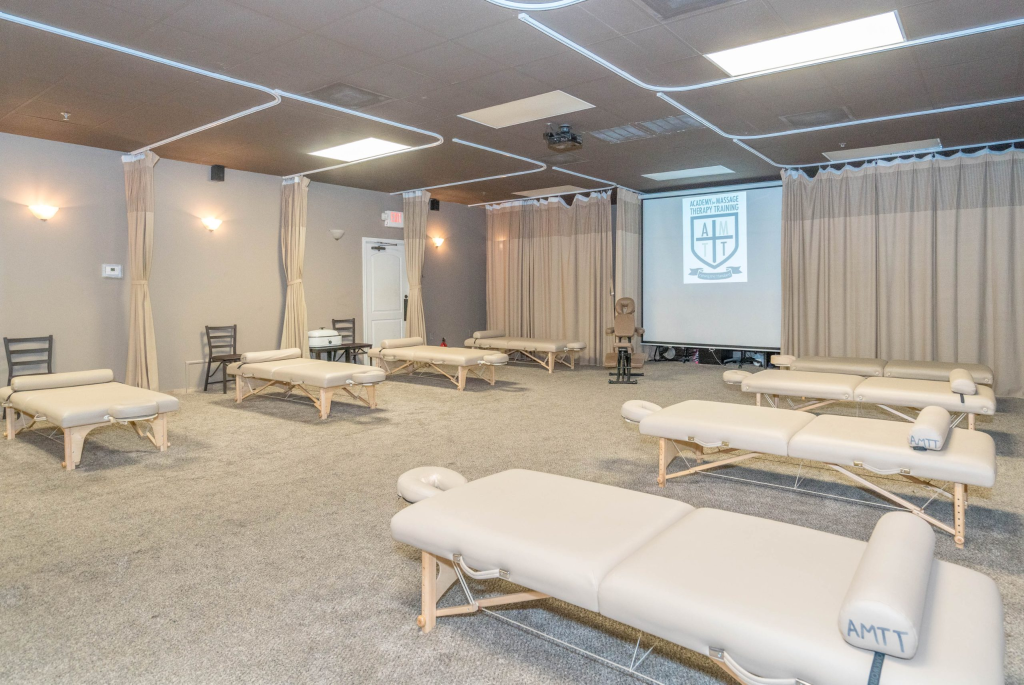
Choosing a career in massage therapy involves more than learning a collection of massage techniques. Professional training provides students with knowledge of anatomy, client communication, ethics, safety, and hands-on practice. Selecting the right massage therapist school can therefore have an important impact on how prepared students feel when they begin working with clients. A strong educational foundation helps students recognize appropriate techniques and understand when a client may need to seek advice from another healthcare professional.
Understand What Massage Therapy Training Covers
A quality massage therapist school should provide education that extends beyond basic massage movements. Students typically study subjects such as anatomy and physiology, massage techniques, pathology, ethics, sanitation, and professional communication.
Understanding how the human body functions is particularly important because massage therapists work directly with muscles, soft tissues, and other body structures.
Look for Comprehensive Hands-On Training
Massage therapist school is a practical profession, so classroom instruction should be supported by meaningful hands-on experience. Students benefit from opportunities to practice techniques, receive instructor feedback, and develop proper body mechanics.
Hands-on training can also help future therapists become more comfortable communicating with clients. Learning how to discuss pressure preferences, positioning, comfort, and session expectations is an important part of providing a professional experience.
Consider Licensing and Career Requirements
Before enrolling, prospective students should research the licensing requirements that apply to massage therapists in the state where they intend to practice. Requirements can vary by jurisdiction and may include education, examinations, applications, and continuing education.
In Texas, for example, massage therapists are regulated by the Texas Department of Licensing and Regulation. The state establishes education and examination requirements for individuals seeking licensure. Checking official requirements before selecting a program can help students ensure that their education aligns with their intended career path.
Think About the Type of Massage You Want to Practice
Massage therapy includes different techniques and approaches, so students should consider their long-term interests. Some may be interested in relaxation-focused services, while others may prefer settings involving sports, wellness, rehabilitation support, or specific therapeutic techniques.
Understanding these interests can help students evaluate course offerings and determine whether a program provides the practical exposure they need. It can also make it easier to identify future opportunities in different professional environments.
Research the Local Massage Therapy Market
Location can influence where massage therapists work and what services clients seek. Someone researching opportunities for a massage therapist in San Antonio may want to consider local spas, wellness centers, clinics, fitness facilities, and independent practices.
Researching the local market can provide insight into the types of services available and the skills employers or clients may value. It can also help students think realistically about their preferred work environment after completing their education.
Build Skills Beyond Massage Techniques
Successful massage therapy requires interpersonal and professional skills as well as technical knowledge. Therapists need to communicate clearly, maintain professional boundaries, manage appointments, document relevant information, and create a comfortable environment for clients.
These skills can become especially useful when clients search for a massage therapist near me and compare several professionals. Clear communication, professionalism, and a well-rounded skill set can help a therapist establish trust with clients.
Understand Different Client Needs
Every client may have different preferences, comfort levels, and reasons for receiving massage. Some people may seek relaxation, while others may want focused attention on particular areas of the body.
For example, someone searching for full body massage in San Antonio may be looking for a general wellness or relaxation experience. Professional education helps therapists understand how to approach different sessions while maintaining appropriate communication, safety, and client comfort.
Conclusion
Choosing the right training program is an important first step toward developing a career in massage therapy. For those exploring professional training in Texas, Academy for Massage Therapy Training can be considered as part of that research process. Prospective students should evaluate curriculum quality, hands-on instruction, licensing alignment, professional skills, and opportunities for practical experience before enrolling. A well-rounded education can provide the knowledge and confidence needed to work responsibly with different clients and pursue opportunities in the massage therapy field.