

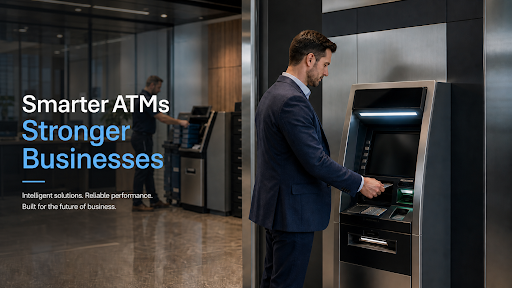
Owning a fleet of cash machines appeals to many first-time entrepreneurs because the model is simple: place a machine in a busy location, earn a fee on each withdrawal, and share a portion with the host. Yet the venture involves more than buying a unit and plugging it in. Licensing, compliance, cash management, location strategy, and ongoing maintenance all affect profit. Anyone considering starting an ATM machine business should treat it as a small operation with real responsibilities, not a passive shortcut to income. Margins depend on transaction volume, surcharge rates, cash loading costs, and processing fees, so careful planning matters from day one. This blog explains how the business works, what to budget for, how to pick profitable sites, and how to keep machines running smoothly, so aspiring owners can make informed decisions before investing money and time.
How the Business Model and Revenue Really Work
Income comes mainly from surcharge fees, which the user pays on top of any charge from their own bank, and from interchange fees paid by the card network for each transaction. A portion of the surcharge usually goes to the location owner as rent or a revenue share. Costs include the machine itself, installation, a processor, insurance, cash replenishment, maintenance, and any merchant or sponsor bank fees. Machines can be owner-funded, where you supply the cash, or merchant-funded, where the host stocks the machine and you earn a smaller share with less capital at risk. Each approach shifts risk and effort differently. Before starting an ATM machine business, estimate monthly transactions per site, multiply by your average net fee, and subtract all recurring costs, so you know how many withdrawals are needed to break even. Conservative assumptions protect you from disappointment.
Choosing Locations, Machines and Compliance Steps
Location is the biggest driver of results. High-foot-traffic spots with limited banking access, such as convenience stores, gas stations, bars, event venues, and tourist areas, tend to perform best. Visit at different hours, count customers, and ask the owner about cash-only demand. Machines should offer reliable bill dispensers, receipt printers, accessible design, and strong security features, including tamper protection and encrypted PIN pads. Compliance matters just as much: machines must meet accessibility and payment security standards, and operators must follow state rules on registration, signage, and fee disclosure. Work with a reputable processor and sponsor bank, and keep thorough records of every cash load and service visit. Review warranties, parts availability, and training before purchase, and negotiate clear contracts with hosts covering placement, power, and exit terms.
Conclusion
Day-to-day success depends on uptime and discipline. Set a loading schedule based on transaction history so machines never run dry, since empty units lose revenue and frustrate customers. Check cash reconciliation regularly, review reports from your processor, and inspect each machine for skimmers, damage, and cleanliness. Respond quickly to errors, because a machine out of service earns nothing. Keep an emergency fund for repairs and cash shortfalls, and consider insurance for theft and vandalism. As you learn which sites perform best, reinvest profits into additional units rather than expanding too fast. Strong relationships with hosts help you keep good spots and secure referrals. In the end, starting an ATM machine business rewards owners who plan carefully, choose locations wisely, and stay consistent with service. Working with an established partner like Best Products Sales & Service inc. can also simplify equipment choices and support as your network grows.