

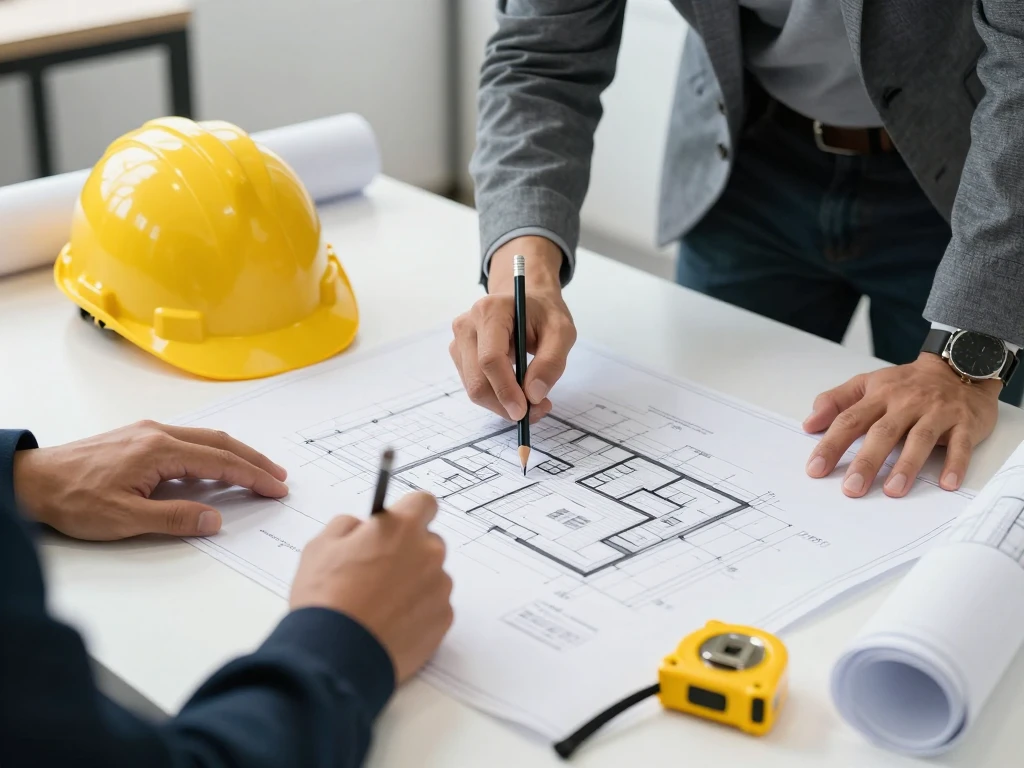
Security requirements are becoming an important part of planning commercial buildings, residential developments, offices, warehouses, and other properties in Dubai. A well-designed security system needs to consider the building layout, access points, operational activities, potential risks, and applicable regulatory requirements.
Working with a Sira Approved Security Consultant can help businesses organize these elements into a structured security plan. Professional consultancy also supports technical design, documentation, coordination, and the preparation of security solutions suited to the actual requirements of a property.
What Is a SIRA Security Consultant?
A SIRA security consultant is a qualified professional involved in security consultancy activities within Dubai’s regulatory framework. The consultant can provide technical and professional guidance to businesses, developers, contractors, and property owners during different stages of a security project.
The role can extend from initial security planning to technical documentation and coordination. Instead of recommending security equipment without considering the surrounding environment, a consultant evaluates the property and develops a solution based on its specific requirements.
The exact requirements for a consultant depend on the applicable SIRA activity and the scope of the work being undertaken.
Understanding SIRA Requirements in Dubai
The Security Industry Regulatory Agency, known as SIRA, regulates relevant private security activities in Dubai. Its framework includes requirements relating to security companies, professionals, consultancy activities, and security systems.
Because projects differ in size, function, and security requirements, there is no single design or documentation package that automatically applies to every property.
A professional consultant can help establish the applicable requirements at the beginning of the project. This provides a clearer foundation for preparing security drawings, technical information, and other required documentation.
Security Risk Assessment Comes First
Effective security design begins with understanding the risks associated with a property. A consultant can review the building’s location, occupancy, access points, valuable assets, restricted areas, employee movement, visitor flow, and operational activities.
This information helps determine where additional security controls may be appropriate.
A risk-based approach can also prevent businesses from investing in unnecessary equipment. Instead, security resources can be directed toward areas where they provide meaningful protection.
For example, a warehouse may require stronger perimeter monitoring and controlled loading areas, while an office building may place greater emphasis on reception security, employee access, and sensitive rooms.
Security System Design
Once the security requirements are understood, the consultant can develop a coordinated system design. The final solution depends on the property’s needs and may combine multiple technologies.
Common security systems include:
- CCTV surveillance
- Access control
- Intrusion detection
- Intercom systems
- Security monitoring
- Control and management systems
- Related electronic security infrastructure
The systems should be planned as part of one security strategy rather than as isolated installations.
CCTV Design and Surveillance Coverage
CCTV is widely used across commercial and residential properties, but its effectiveness depends on proper planning. Camera locations should be selected according to the areas that need monitoring and the type of coverage required.
A professional consultant can consider entrances, exits, parking areas, corridors, reception areas, restricted zones, loading areas, and other important locations.
Camera selection should also account for lighting, environmental conditions, viewing distance, image quality, and recording requirements.
The purpose is to achieve useful and reliable surveillance coverage while minimizing blind spots and unnecessary equipment.
Access Control Planning
Access control provides a way to regulate movement through designated areas of a property. Depending on the project, systems can include card readers, biometric devices, electronic locks, controllers, and centralized management software.
A consultant can identify which entrances and internal areas require controlled access and determine appropriate access levels for different categories of users.
For example, employees, visitors, contractors, security personnel, and management may require different access permissions. Emergency and operational requirements should also be considered during the design process.
Technical Drawings and Security Documentation
Technical drawings turn a security concept into a practical installation plan. They allow contractors and other project stakeholders to understand where devices and equipment are intended to be installed.
Security documentation may include:
- CCTV camera layouts
- Access control layouts
- Intrusion detection locations
- Security equipment room plans
- Control panel locations
- Equipment schedules
- System architecture
- Cable and connection information
- Technical specifications
Accuracy is essential throughout the documentation. Security drawings should correspond with the latest architectural and engineering information so that changes in doors, walls, ceilings, electrical services, or equipment rooms do not create installation conflicts.
Why Early Security Consultancy Is Valuable
Security consultancy is more effective when introduced during the early design stage. Waiting until construction is well advanced can make security changes more difficult and expensive.
Early involvement allows the consultant to coordinate requirements with architects, MEP professionals, contractors, and other project stakeholders.
This can help reduce:
- Security equipment clashes
- Incorrect device locations
- Inadequate CCTV coverage
- Access control design problems
- Infrastructure changes
- Repeated drawing revisions
- Unplanned installation costs
Early planning also provides more time to review technical documents before they are submitted or used for installation.
SIRA Compliance and Professional Documentation
Regulatory compliance should be integrated into the project rather than treated as a final paperwork exercise. The technical documentation should accurately represent the proposed security solution and remain consistent throughout the project.
Before a relevant submission, the project team should review company information, professional details, technical drawings, equipment schedules, specifications, and supporting documentation.
A consultant can help identify inconsistencies and clarify which information is required for the particular activity or project.
How to Select a Security Consultant
Businesses should look beyond generic claims when selecting a security consultant. Relevant qualifications, regulatory knowledge, technical experience, communication, and familiarity with similar projects are important considerations.
The consultant should be capable of explaining technical recommendations clearly and coordinating with other project disciplines.
Experience is particularly valuable when dealing with complex developments where CCTV, access control, intrusion detection, architectural design, electrical infrastructure, and operational requirements all need to work together.
Professional Security Consultancy in Dubai
Secure X Security Consultancies can support businesses and project teams with security consultancy, security system design, technical documentation, and compliance-focused planning. A structured approach can help clients understand their security requirements and coordinate technical information throughout the project.
Professional consultancy should focus on developing a security solution that is practical for everyday use, technically coordinated, and appropriate for the property’s specific requirements.
FAQs
What does a Sira Approved Security Consultant do?
A qualified SIRA security consultant can provide professional guidance on security planning, risk assessment, system design, technical documentation, and applicable compliance requirements within Dubai’s regulatory framework.
Which security systems can a consultant design?
Depending on the project scope, consultancy may cover CCTV, access control, intrusion detection, intercom systems, monitoring solutions, and associated electronic security infrastructure.
When should a security consultant be involved?
Ideally, the consultant should be involved during the early design stage. This allows security requirements to be coordinated with architectural and engineering plans before construction progresses.
Are SIRA requirements identical for every project?
No. Requirements can vary according to the business activity, professional role, project type, security systems, and applicable regulatory process. The specific requirements should be confirmed for the individual project.
Conclusion
A Sira Approved Security Consultant can provide valuable support for businesses and development projects managing security requirements in Dubai. Professional consultancy brings together risk assessment, system design, technical drawings, documentation, and regulatory awareness in a coordinated process. By planning security requirements early and working with an appropriately qualified professional, project teams can reduce avoidable design issues, improve documentation, and develop a reliable security solution that supports the property’s long-term operational needs.