

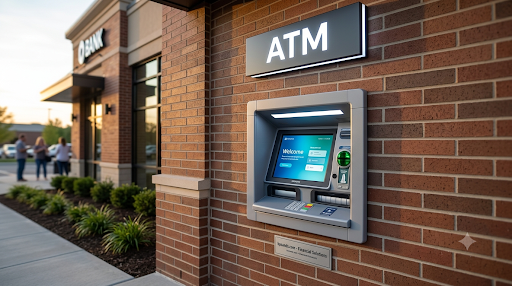
Installing an automated teller machine can give customers convenient access to cash while creating an additional service point within a business. However, placing an ATM involves more than positioning the machine and connecting it to power. Site selection, electrical requirements, telecommunications, security, accessibility, transaction processing, and ongoing maintenance all need to be considered before the machine becomes operational. For businesses planning atm machine installation, understanding these requirements can make the setup process more organized and help avoid problems after deployment. The exact process can vary according to the ATM model, location, transaction network, and service provider involved.
What Is Involved in ATM Installation?
ATM machine installation involves preparing a suitable location, positioning the equipment, establishing required connections, configuring the machine, and testing its ability to communicate with the processing network.
The machine typically needs a reliable power supply and a communication connection so transactions can be authorized and processed. Depending on the equipment, communication may use an internet connection, cellular network, or another supported method.
Installation may also involve securing the ATM to the floor or another appropriate surface. The method depends on the machine’s design and the location’s physical characteristics.
Choosing the Right ATM Location
Location can influence both accessibility and practical operation. Businesses should select an area where customers can approach the machine comfortably without interfering with normal foot traffic.
Visibility is also an important consideration. An ATM positioned in a well-observed area may make it easier for employees to notice unusual activity. At the same time, users need enough privacy to enter their PIN and complete transactions without others standing immediately behind them.
The location should also provide sufficient space around the ATM for users with mobility devices and people who may need additional room to operate the equipment.
Electrical and Network Requirements
ATMs require dependable power to operate their displays, card readers, cash dispensers, and other components. The electrical requirements vary by machine, so the installation should follow the manufacturer’s specifications and applicable electrical requirements.
Communication is equally important. An ATM machine installation must communicate with its processing network to authorize transactions, verify account information, and complete other functions.
A stable network connection can help reduce communication interruptions. Businesses should also understand what happens if the primary connection becomes unavailable and whether the equipment supports an alternative communication method.
Accessibility Considerations
ATM placement should account for users with disabilities. The Americans with Disabilities Act (ADA) includes accessibility requirements for automated teller machines, including requirements concerning operable parts and accessible routes.
The U.S. Department of Justice explains that ATM accessibility requirements apply to both indoor and outdoor machines at facilities covered by the ADA. The standards address factors such as clear floor or ground space, reach ranges, and accessible features.
Businesses should therefore consider accessibility during site selection rather than attempting to modify the location after installation.
ATM Security Requirements
Security should be considered from the planning stage. ATMs contain cash and process sensitive financial transactions, making their physical location and surrounding environment important.
Businesses can evaluate:
- Visibility from staffed areas
- Adequate lighting
- Protection from unnecessary public access
- Secure mounting
- Surveillance coverage where appropriate
- Safe customer access
- Protection of electrical and communication connections
Security measures should not interfere with accessibility or customer privacy. A balance between visibility and transaction privacy is important for a functional ATM area.
What Happens During Installation?
The installation process generally begins with a site assessment. The installer determines where the ATM will be placed and identifies power, communication, mounting, and access requirements.
After the site is prepared, the ATM can be positioned and secured. Required communication and electrical connections are then established according to the equipment specifications.
Configuration follows installation. This may involve setting up network communication, transaction parameters, receipt settings, cash handling components, and other machine functions.
Testing is an essential final step. Transactions should be tested to verify card reading, PIN entry, communication with the processing network, cash dispensing, receipt functions, and other applicable features.
Why Professional Installation Matters
An ATM is a financial transaction device rather than ordinary office equipment. Incorrect installation can affect power, connectivity, security, accessibility, or the machine’s ability to complete transactions.
Professional installation can help ensure that the equipment is positioned and configured according to its specifications. It can also provide an opportunity to identify potential site issues before the machine begins serving customers.
Businesses should maintain documentation for the installed equipment, including model information, configuration details, service contacts, and maintenance requirements.
Planning for Ongoing Service
Installation is only the beginning of the equipment’s operational life. ATMs contain mechanical and electronic components that require maintenance and may eventually need repair or replacement.
Routine servicing can address issues involving card readers, keypads, receipt printers, cash dispensers, displays, communication components, and other parts. Businesses should also establish a process for reporting malfunctions and arranging timely service.
Reliable Atm service can help businesses address equipment problems and reduce the amount of time a machine remains unavailable to customers.
Cash Management and Maintenance
Businesses operating or hosting an ATM should understand who is responsible for cash replenishment, transaction monitoring, equipment maintenance, and troubleshooting. These responsibilities depend on the specific arrangement between the business and ATM provider.
Cash levels should be monitored so the machine does not unexpectedly run out of currency. Maintenance schedules should also account for the machine’s transaction volume and operating environment.
Keeping the surrounding area clean and unobstructed can further support reliable everyday use.
Working With a Service Provider
Choosing a service provider involves more than comparing installation costs. Businesses can review the provider’s installation process, equipment support, response procedures, maintenance coverage, and experience with the type of ATM being deployed.
A provider that handles both installation and ongoing technical support may simplify communication when problems occur. Businesses should clarify what services are included and which responsibilities remain with the location owner.
Conclusion
ATM installation requires careful attention to the physical location, electrical supply, communication connection, accessibility, security, configuration, and testing. Planning these details before deployment can help create a reliable and accessible transaction point for customers.
Businesses can also benefit from understanding ongoing maintenance and support requirements before choosing an installer. Working with best products sales & service can provide a point of contact for installation and related equipment support, while clearly defined service responsibilities can help keep the ATM operational after setup.