

Whoa! I still remember the first time I felt my stomach drop watching a ledger blink at me. My instinct said “this is serious” and honestly, it was. I’m biased toward hardware wallets because I’ve seen both sides—the calm of a cold wallet and the chaos when recovery goes wrong. Here’s the thing. Secure custody isn’t glamorous; it’s boring and relentless, and that bothers me in a way that keeps me obsessing.
Short-term trading is exciting. Long-term custody is work. Really. Most people treat a seed phrase like a sticky note. That’s the risk. On one hand you want convenience; on the other hand you have to preserve the only thing that can restore your funds. Initially I thought a laminated paper was enough, but then I realized how fragile that “solution” actually is—paper decays, printers fail, water happens.
Whoa! Storage layer matters. Hardware wallets isolate keys from the internet. Medium-level protection like encrypted phone backups still leans toward danger. If you’re managing a portfolio that you care about, move beyond screenshots and cloud notes. The right routine combines redundancy and testing, and yes, that takes time—time many people won’t spend until they lose something valuable.
Practical approach to seed phrase backup
Okay, so check this out—seed phrases are simple in concept and brutal in consequence. A seed phrase restores everything. So treat it like a master key to a safe deposit box that is stored in several safes. Use a hardened medium: metal for fire and water resistance. Use geographically separated storage so you don’t lose everything to one event. Test recoveries in a safe way (dry runs on testnets or low-value accounts) before you trust a backup implicitly—this is tedious but worth every minute.
Whoa! Don’t write your seed on your phone. Don’t email it. Seriously? Seriously. My friend learned that the hard way when their cloud backup synced the wrong folder. Oops. Also, don’t rely on a single person—trust, but verify. Multisig is underrated for personal portfolios: it raises the bar for attackers and spreads custody risk without forcing you to be an island.
On the subject of passphrases: I use them, cautiously. They add a hidden layer, though they also add a single point of failure if you forget the exact wording. So document your mnemonic habits somewhere safe (not with the phrase itself), and weigh the trade-off between plausible deniability and recoverability. I’m not 100% sure there’s a one-size-fits-all answer here, but for sizable holdings it’s common practice among serious custodians.
Whoa! Metal backups cost more up front. Medium-term hassle happens when you have to split backups across locations. Long-term payoff is peace of mind that survives floods, fires, and forgetfulness, which is why professionals opt for durable solutions and redundancy, even though it feels like overkill until it’s not.
Signing transactions: the small habits that save you
Check this out—transaction signing is where the rubber meets the road. Verify addresses on the device screen. Don’t trust a clipboard paste or an app preview alone. If your device can display the recipient address, read it. Look for subtle mismatches; sometimes a single character will betray a phishing or malware attempt. My rule: if I don’t see it on the device, I don’t sign it. It’s strict, but it prevents most remote-exploit scams.
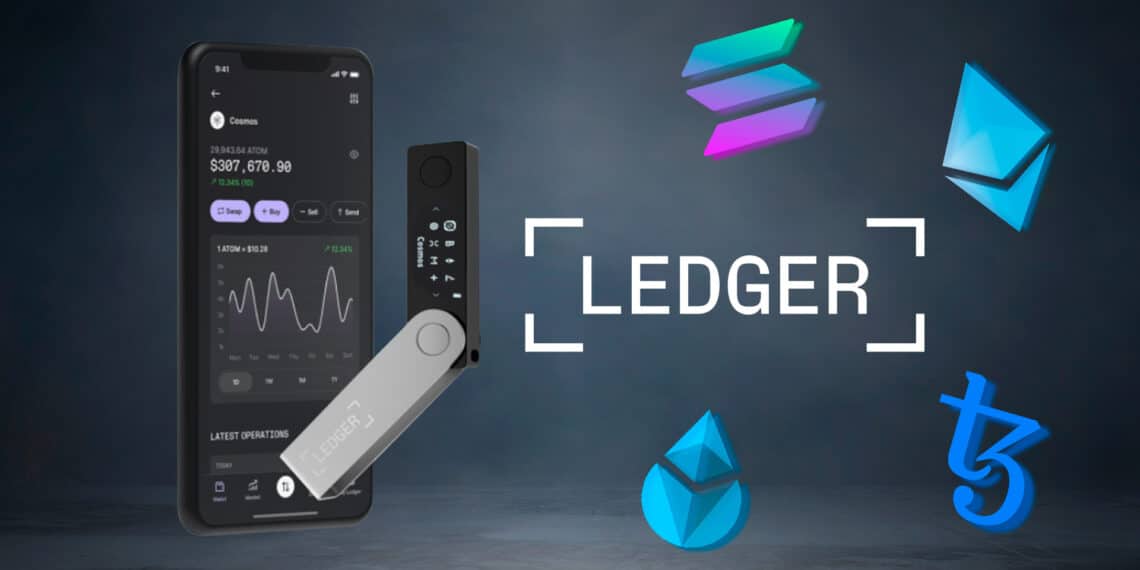
Whoa! Hardware wallets and companion apps like ledger live improve the UX a lot. They let you review transactions in context and reduce risky manual copying. Still, the device should be the source of truth for final confirmation. On one hand the software is convenient, though actually the verification step on the hardware is the critical gatekeeper.
Be mindful of transaction details. Small amounts are tests; start low if you’re trying a new address or contract. Watch gas estimation and imperfect UIs—some interfaces hide fees or change parameters in ways that can surprise you. I’m a bit old-school: I scroll slowly, and I re-check addresses twice. It sounds paranoid. It is. And yes, it works.
Whoa! Think about workflow. Long transactions like contract interactions deserve extra checks. Use tools that decode transaction intents, and if smart contract interactions are unfamiliar, consult someone you trust or do research before committing. Mistakes interacting with contracts are seldom reversible, and that reality should shape how you approach unfamiliar dapps.
Portfolio management habits that keep things sane
Here’s what bugs me about most advice: it focuses on returns, not survivability. Asset allocation matters, but so does custody hygiene. Rebalance thoughtfully, not constantly, and separate hot and cold funds. Keep a small hot wallet for spending and more substantial holdings in air-gapped devices or multisig arrangements. This tiered approach reduces friction while limiting exposure.
Whoa! Automated tools can help. Use tracking software that reads only public addresses (no keys). Keep records of recovery checks and backup locations somewhere secure. If you’re managing for others or at scale, document procedures and rotate responsible parties occasionally to prevent key-person dependency—human factors are the biggest risk.
On the question of third-party custody: it can be right for some people. Custodians offload the operational burden, but they introduce counterparty risk. Do your due diligence—insurance terms, proof-of-reserves scrutiny, and legal jurisdiction matter. The trade-offs are real; don’t pick convenience as a primary security posture without understanding the consequences.
FAQ
Q: How many backups should I have?
A: Aim for at least three copies in separate locations: one primary, one offsite, and one cold storage redundancy. Use different mediums if feasible—metal and secure vault storage are common choices. Keep the distribution aligned with your comfort and family plans; make sure heirs or trusted parties know the recovery process but not the secrets themselves.
Q: Should I use a passphrase?
A: Passphrases add security but increase complexity. If you choose a passphrase, document your memorization strategy and practice recovery flows. Consider whether the added secrecy outweighs the risk of human error in your particular situation.
Q: How do I test a backup safely?
A: Create a low-value recovery test or use a testnet. Practice the full restore process without exposing the primary funds. If you hire help for recovery, use escrowed verification and never reveal your full mnemonic publicly—simple, but surprisingly often overlooked.
Okay, I’ll be honest—this stuff is messy and a little exhausting. I’m not pretending there’s a perfect routine that fits everyone. Some people will automate, others will manually check everything. My final thought: pick a reasonable set of practices, commit them to a written routine, and test those routines regularly. Somethin’ like that saved me once, and it’ll probably save you too.