

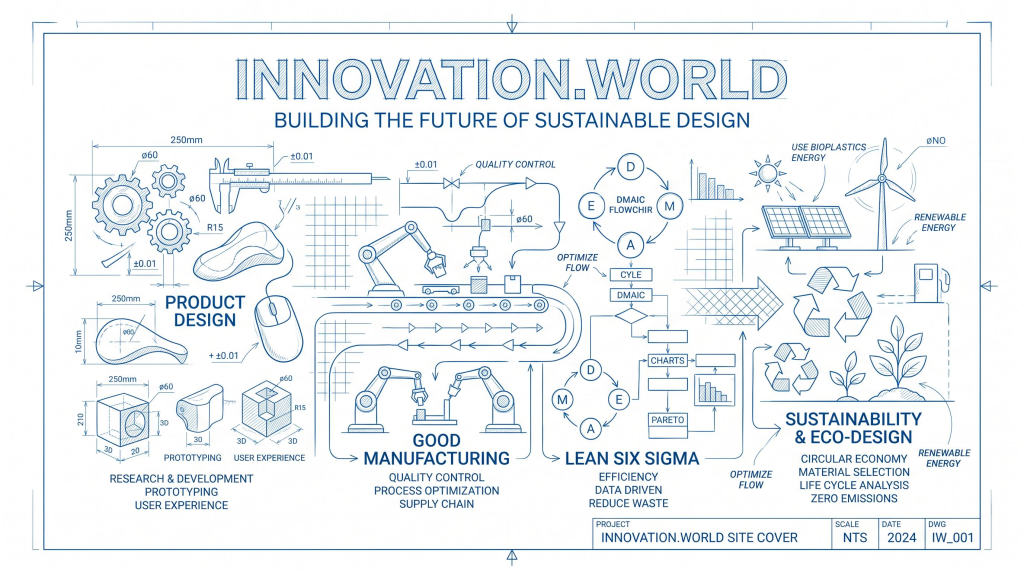
Innovation is essential for organizations that want to remain competitive, solve complex problems, and respond to changing market demands. However, successful innovation rarely happens through random ideas or isolated creative activities. It requires clear objectives, effective planning, collaboration, and a systematic approach to turning concepts into practical solutions. Structured Innovation provides a framework for organizing creative thinking, evaluating opportunities, and developing ideas into measurable outcomes. By combining creativity with strategic processes, businesses can improve decision-making, encourage experimentation, and create solutions that deliver long-term value.
Understanding Structured Innovation
Structured Innovation is an organized approach to discovering, developing, testing, and implementing new ideas. It combines creative exploration with established methods that help teams move from identifying a challenge to delivering a workable solution.
Traditional brainstorming can generate many interesting suggestions, but without a clear process, valuable ideas may never progress beyond initial discussions. A structured approach introduces direction and accountability while still allowing employees to explore different possibilities.
This method can be applied across various industries, including manufacturing, technology, education, healthcare, engineering, and business management. Organizations can adapt their innovation processes according to their objectives, available resources, and operational requirements.
Why Organizations Need a Structured Approach
Businesses face constant changes in customer expectations, technology, competition, and economic conditions. Developing new products, improving services, and updating internal processes can help organizations respond to these challenges.
A structured innovation framework helps businesses prioritize opportunities instead of investing resources in every new idea. It also provides a consistent method for evaluating potential benefits, identifying risks, and determining whether a concept deserves further development.
Another advantage is improved collaboration. When employees understand the innovation process, they can contribute ideas, share expertise, and participate in decisions more effectively. This creates an environment where creativity becomes part of everyday organizational development.
The Main Stages of Structured Innovation
An effective innovation process generally includes several connected stages. Each stage provides direction and helps teams make progress toward a defined objective.
- Identify challenges and generate ideas: Organizations begin by understanding existing problems, researching market requirements, and encouraging employees to suggest possible solutions.
- Evaluate, test, and implement concepts: Teams assess promising ideas, develop prototypes or initial models, collect feedback, and refine solutions before introducing them on a larger scale.
These stages should remain flexible. New information from testing and research may require teams to revisit earlier decisions or explore alternative approaches.
Creating a Culture That Encourages Innovation
Innovation depends on more than formal procedures. It also requires an organizational culture where employees feel comfortable sharing suggestions, questioning existing practices, and exploring different approaches.
Leadership plays an important role in establishing this environment. Managers can encourage participation by providing time for experimentation, recognizing useful contributions, and supporting collaboration between departments.
Open communication also helps prevent ideas from becoming isolated within individual teams. When employees from different professional backgrounds work together, they can identify opportunities that might otherwise remain unnoticed.
Organizations should also understand that not every experiment will produce the expected result. Learning from unsuccessful attempts can provide valuable information and improve future decisions.
Technology and Digital Tools in Innovation
Digital technologies are changing how organizations develop and manage innovative ideas. Artificial intelligence, cloud platforms, data analytics, automation, and collaborative software can support different stages of the innovation process.
Data analytics helps businesses understand customer behavior, identify market patterns, and evaluate performance. Artificial intelligence can assist with research, idea exploration, and information analysis, while digital collaboration platforms allow teams to work together across different locations.
Technology is most valuable when it addresses a specific organizational need. Selecting tools based on clear objectives helps businesses avoid unnecessary complexity and ensures that digital investments contribute to meaningful improvements.
Measuring Innovation Performance
Measuring innovation helps organizations understand whether their strategies are producing useful results. Instead of evaluating success only through the number of ideas generated, businesses should consider practical outcomes.
Useful performance indicators may include:
- Time required to develop and launch new solutions.
- Improvements in operational efficiency, customer satisfaction, and product quality.
Organizations can also evaluate employee participation, research outcomes, implementation costs, and the long-term value created by new initiatives. Regular assessments help identify weaknesses and guide future investment decisions.
Overcoming Common Innovation Challenges
Even well-organized innovation programs can encounter difficulties. Limited budgets, resistance to change, unclear objectives, and insufficient communication may prevent promising ideas from progressing.
Businesses can address these challenges by establishing realistic priorities, assigning clear responsibilities, and creating manageable development stages. Providing employees with appropriate resources and training can also improve participation.
Maintaining flexibility is equally important. Innovation processes should offer enough structure to guide progress without restricting experimentation or discouraging unconventional thinking.
Conclusion
Structured Innovation helps organizations transform creative ideas into practical solutions through research, collaboration, experimentation, and continuous improvement. By establishing clear objectives and effective evaluation methods, businesses can use their resources more efficiently and respond to changing industry requirements. Combining an innovation-focused culture with suitable technologies and measurable goals creates opportunities for sustainable development. Exploring Structured Innovation can provide additional perspectives on innovation, emerging ideas, and approaches that support progress across modern industries.