

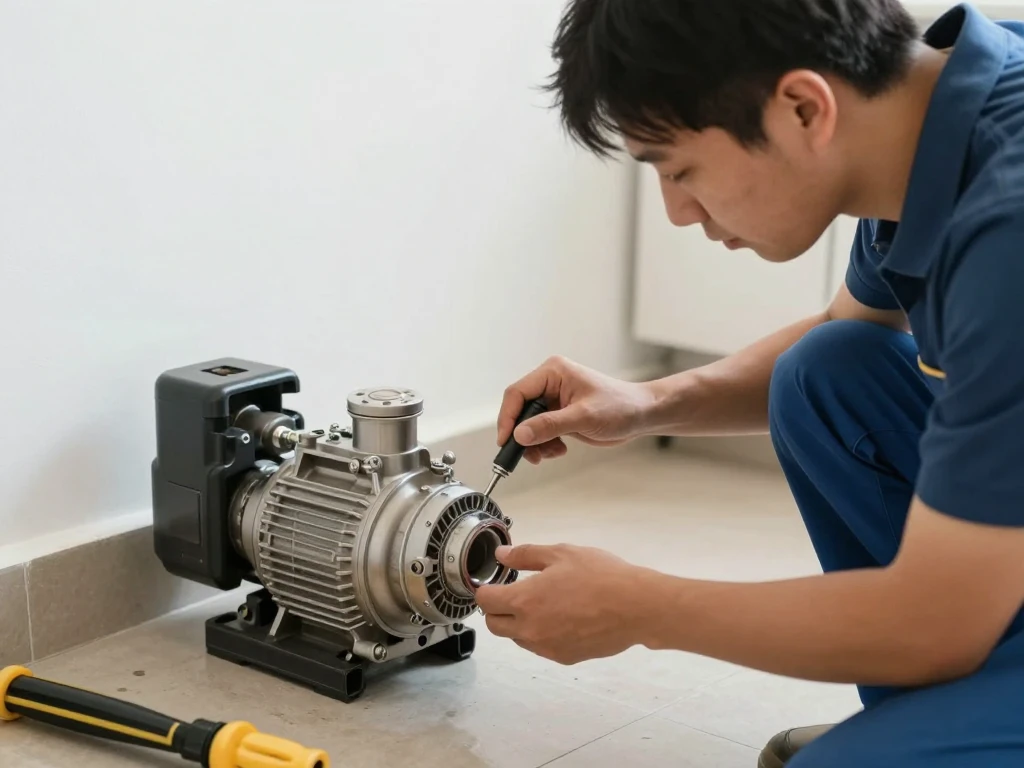
A water pump is an important part of a home’s water supply system. It helps deliver water at suitable pressure to bathrooms, kitchens, washing machines, and other household fixtures. When the pump stops working properly, residents may experience weak water flow, irregular pressure, unusual sounds, or a complete interruption in water delivery. These problems can have several causes, so identifying the fault before replacing any component is important.
Home Water Pump repair in Dubai helps homeowners understand and address pump-related issues through proper inspection, suitable repairs, and regular maintenance. Knowing how the system works and what warning signs to look for can help prevent unnecessary expenses and repeated breakdowns.
What Is a Home Water Pump?
A home water pump is a mechanical device that moves water through a plumbing system or increases its pressure when the available supply is insufficient. Depending on the property, it may work with a storage tank, pressure controller, valves, and connected water pipes.
In some homes, the pump supplies water from a storage tank to different fixtures. In others, a booster pump helps maintain pressure when several taps or showers are used. Each installation has different requirements, which means the correct repair depends on the pump type and the property’s plumbing arrangement.
A pump that is suitable for one home may not provide enough flow for another. For this reason, checking the system’s actual requirements is an important part of diagnosing performance problems.
Common Signs That Your Water Pump Needs Repair
Low Water Pressure
If water flows slowly from several taps or showers, the pump may not be maintaining sufficient pressure. However, blocked filters, restricted pipes, partly closed valves, and water supply problems can produce similar symptoms.
Check whether the problem affects the whole house or just one fixture. If only one tap has weak flow, the issue may be local rather than pump-related.
Pump Running Without Delivering Enough Water
A pump may continue running while water flow remains weak because of a blocked inlet, insufficient water supply, air entering the system, or worn internal components. Continuing to operate a pump without adequate water can damage certain pump types.
If the pump runs but water delivery does not improve, arrange an inspection instead of repeatedly restarting the equipment.
Frequent Starting and Stopping
A pump that switches on and off repeatedly may have a pressure-control fault, a leaking pipe, a faulty check valve, or a problem with its pressure vessel. This behavior is known as short cycling.
Frequent cycling places additional demands on the motor and controls. Finding the cause early can help prevent further damage.
Strange Noises or Water Leakage
Grinding, rattling, or excessive vibration may indicate loose mounting, worn bearings, trapped air, or mechanical damage. Water around the pump may come from a damaged seal, a pipe joint, a valve, or another connection.
Never ignore sudden changes in sound or visible leakage. Switch off the equipment if it is safe to do so and arrange professional assistance when necessary.
Why Do Home Water Pumps Develop Problems?
Several factors can affect pump performance over time. Common causes include worn mechanical parts, electrical faults, restricted pipework, poor installation, incorrect pressure settings, and insufficient water entering the pump.
Dubai homes may also have pumps installed in exposed utility areas, where heat and dust can affect the surrounding equipment. Regular inspection helps identify developing issues, but the specific cause should always be confirmed rather than assumed.
Another important factor is the condition of the connected plumbing. A small leak may cause pressure to fall, while a blocked inlet can prevent the pump from receiving enough water. Replacing the pump without checking these components may not solve the original problem.
How Is Home Water Pump Repair Carried Out?
Professional repair begins with understanding the symptoms and inspecting the complete system.
First, the technician examines the pump, visible pipes, valves, tank connections, and surrounding area for damage or leakage. Pressure and water flow are then assessed to determine whether the system is performing as expected.
Next, the technician checks the components relevant to the problem. Depending on the pump design, this may include the motor, impeller, pressure switch, controller, seals, bearings, and check valve. Electrical testing should be handled by a qualified professional.
Once the cause is identified, the required repair may involve correcting a connection, clearing a restriction, adjusting a suitable control setting, or replacing a damaged component. After the work, the pump should be tested to confirm stable pressure, normal operation, and the absence of leaks.
This systematic approach to water pump troubleshooting helps reduce unnecessary replacements and makes it easier to identify the actual source of recurring problems.
How to Maintain Your Water Pump
Regular maintenance can help homeowners notice small problems before they become major disruptions.
- Inspect accessible pipes and connections for signs of leakage.
- Monitor changes in water pressure and flow.
- Pay attention to unusual noise, vibration, or frequent cycling.
- Keep the pump area accessible for inspection.
- Follow the manufacturer’s maintenance recommendations.
- Arrange professional checks if the pump repeatedly loses pressure.
- Investigate unexpected increases in water consumption.
Avoid opening electrical enclosures or dismantling pressurized equipment yourself. The correct maintenance procedure depends on the pump model and installation.
When Should You Repair or Replace the Pump?
Repair may be suitable when the pump is in reasonable condition and the fault involves a replaceable component, such as a valve, seal, or control device.
Replacement may be worth considering if the unit has extensive damage, breaks down repeatedly, cannot meet household demand, or requires uneconomical repairs. The decision should take account of the pump’s condition, spare-part availability, repair costs, and required performance.
For dependable home water pump repair services in Dubai, an inspection can help determine whether the existing unit can be repaired effectively or whether a suitable replacement is necessary.
Professional Water Pump Assistance in Dubai
When a pump develops persistent problems, the most useful first step is to identify why it is malfunctioning. Amin Technical Services can assist homeowners with residential water pump concerns by focusing on the reported symptoms, the pump’s condition, and the connected plumbing system.
Whether the problem involves weak pressure, inconsistent flow, repeated starting, or leakage, proper diagnosis helps establish the appropriate repair. Addressing the actual cause can improve system reliability and help homeowners avoid unnecessary work.
Final Thoughts
A reliable water pump supports everyday household activities, but its performance depends on the pump itself and the condition of the connected water system. Low pressure, frequent cycling, unusual noises, and leakage are warning signs that deserve attention. Understanding these symptoms, arranging appropriate repairs, and following routine maintenance recommendations can help homeowners reduce interruptions and make informed decisions about their equipment. For residential properties, professional support from Amin Technical Services can help address pump problems according to the needs of the individual water system.
Frequently Asked Questions
1. Why is my home water pump not providing enough pressure?
Possible causes include a restricted inlet, blocked pipework, insufficient water supply, faulty pressure controls, or worn pump components. The system should be inspected to identify the actual cause.
2. How often should a home water pump be serviced?
The appropriate maintenance schedule depends on the pump model, operating conditions, and manufacturer’s recommendations. Arrange an inspection if you notice pressure changes, unusual sounds, leakage, or frequent starting and stopping.
3. Can a water pump be repaired instead of replaced?
Yes. Many faults can be repaired if the pump remains in suitable condition and replacement parts are available. Extensive damage, recurring failures, or insufficient capacity may make replacement a more practical option.