

Introduction
Have your feet ever felt tired after a long day of standing, walking, or working? Taking time to care for your feet can be a simple way to support relaxation and overall wellness. Reflexology is a foot- and hand-focused practice that uses pressure on specific areas, and many people choose it as part of their personal self-care routine.
Understanding the reflexology massage benefits can help you learn what a session involves, why people enjoy it, and what you can realistically expect from this complementary wellness practice.
What Is Reflexology Massage?
Reflexology is a practice that involves applying different amounts of pressure to specific points on the feet or hands. Traditional reflexology theories associate these points with different areas of the body. However, these proposed connections have not been scientifically established as a way to heal particular organs or medical conditions.
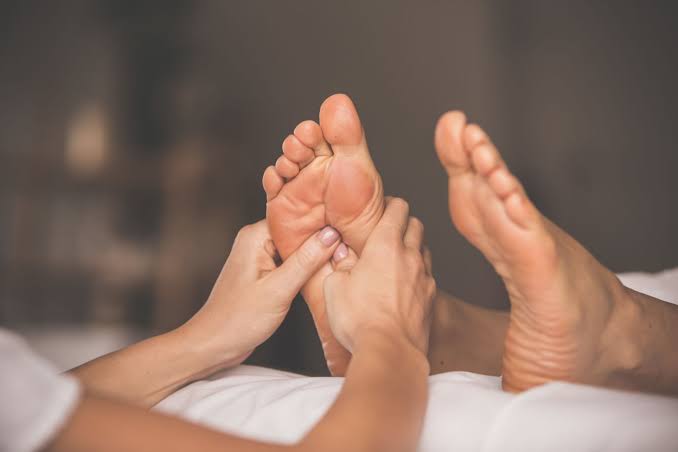
Instead, many people experience reflexology as a relaxing, focused form of foot or hand massage. A session can provide dedicated time to slow down and enjoy a calming experience.
What Are the Main Reflexology Massage Benefits?
One of the most commonly discussed benefits is relaxation. A quiet environment combined with gentle, controlled pressure can make a reflexology session feel soothing after a busy day.
Massage research more broadly suggests that massage may provide short-term relief for some types of discomfort, although the strength of evidence varies depending on the condition.
Reflexology should therefore be viewed as a complementary wellness practice rather than a replacement for medical treatment.
Can Reflexology Help You Relax After a Busy Day?
Daily responsibilities can make it difficult to set aside time for yourself. A reflexology session creates an opportunity to pause and focus on relaxation.
The attention given to the feet can also make the session feel different from a traditional full-body massage. For someone who spends much of the day standing or walking, having dedicated time for foot care may be especially enjoyable.
Relaxation is not simply about physical comfort. Taking a break from daily activities can also create a sense of calm and personal well-being.
Can Reflexology Be Helpful for Tired Feet?
Your feet support you throughout the day, whether you are walking, standing at work, exercising, or completing everyday activities. As a result, they can sometimes feel tired or uncomfortable.
A gentle foot-focused session may provide a soothing experience for tired feet. The pressure and massage techniques used during reflexology can help make foot care a relaxing part of a self-care routine.
However, ongoing or severe foot pain should not automatically be treated as ordinary tiredness. Persistent symptoms may require assessment by a qualified healthcare professional.
Can Reflexology Support Stress Management?
Stress is a common part of modern life, and many people use complementary practices to create opportunities for relaxation.
Research specifically on reflexology is limited, so it is not appropriate to claim that reflexology treats anxiety or stress-related disorders. However, massage therapy in general has been studied for relaxation and various symptoms, with results differing between conditions and individuals.
A calm reflexology appointment can still be one practical way to make time for relaxation and personal care.
What Does a Reflexology Session Feel Like?
A typical session focuses on the feet or hands. The practitioner applies pressure using different techniques while you remain comfortably positioned.
The experience can vary from person to person. Some people prefer gentle pressure, while others enjoy a firmer approach. Communicating with the practitioner is important so the pressure remains comfortable.
The purpose should be to create a pleasant and relaxing experience rather than to cause significant discomfort.
Can Reflexology Replace Medical Treatment?
No. Reflexology should be considered a complementary wellness practice rather than a treatment for disease.
The National Center for Complementary and Integrative Health notes that claims that reflexology can heal specific parts of the body have not been proven. Research also remains limited for many health conditions.
If you have persistent pain, an unexplained symptom, or a diagnosed medical condition, it is important to speak with an appropriate healthcare professional rather than relying on reflexology alone.
How Can You Prepare for a Reflexology Appointment?
Preparing for a session is generally simple. Consider wearing comfortable clothing and arriving with enough time to settle in before your appointment.
Before the session begins, let the practitioner know about areas that feel sensitive or uncomfortable. You should also communicate if the pressure becomes unpleasant during the appointment.
People with certain health conditions may need additional precautions before receiving massage therapy. The NCCIH recommends discussing concerns with a healthcare provider when you are unsure whether massage is appropriate for you.
How Often Should You Have Reflexology?
There is no single schedule that works for everyone. Some people may enjoy an occasional session when they want time to relax, while others may include foot-focused massage as part of a broader wellness routine.
Rather than focusing on a fixed number of appointments, consider your personal comfort, goals, schedule, and professional guidance when deciding whether reflexology is right for you.
Why Consider Reflexology as Part of Your Wellness Routine?
The reflexology massage benefits are best understood in the context of relaxation, comfort, and personal wellness. While scientific evidence does not support claims that reflexology can heal specific organs or cure medical conditions, some people find the practice enjoyable and relaxing.
For people who spend long hours on their feet or simply want dedicated time for self-care, a professional reflexology session can be a peaceful addition to a balanced wellness routine.
At Jessie Jing Massage, a foot-focused session can provide an opportunity to slow down, take a break from daily responsibilities, and give your feet some well-deserved attention. For ongoing or unexplained health concerns, always seek appropriate professional medical advice alongside any complementary wellness practice.