

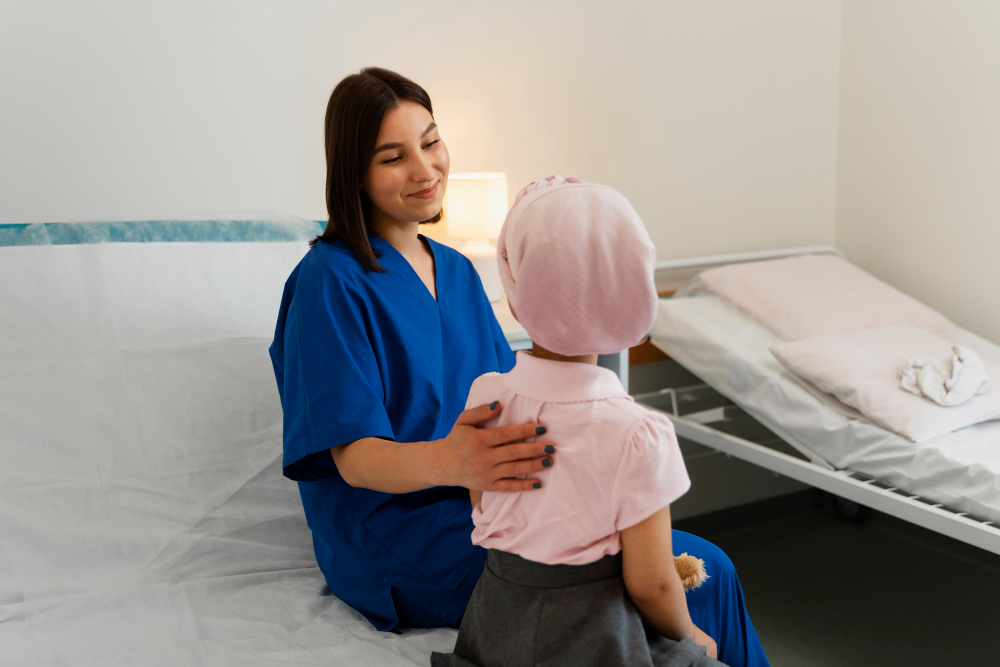
For a child with complex medical needs, care is not simply about completing clinical tasks. It is also about creating a dependable daily rhythm where parents know what to expect, children feel comfortable, and important health needs receive careful attention. Having familiar nursing support can make home care feel more organized and less disruptive.
A Private Duty Pediatric Nurse can become an important part of that routine by providing individualized nursing care in the child’s familiar surroundings. Instead of treating every child according to a standard schedule, private duty nursing is centered around the child’s specific health needs, physician-directed care plan, family routines, and changing circumstances.
What Makes Private Duty Pediatric Nursing Different?
Private duty nursing is designed around individualized support rather than a one-size-fits-all approach. The level and type of nursing care can vary depending on a child’s medical condition, required treatments, equipment, medications, and overall care plan.
A Private Duty Pediatric Nurse may provide skilled nursing services in the home while communicating with parents, caregivers, physicians, and other members of the child’s healthcare team.
The home environment also gives nurses an opportunity to understand how medical care fits into everyday life. Mealtimes, school schedules, sleep routines, therapies, family activities, and appointments can all influence how care is organized.
Consistency Can Make Daily Care More Manageable
Children often respond positively to familiar routines. When care is provided consistently, parents and children can become more comfortable with nursing procedures, communication patterns, and expectations.
Consistency may help families:
- Maintain established daily routines
- Keep important care tasks organized
- Recognize changes in a child’s condition
- Communicate concerns more clearly
- Coordinate nursing care with other activities
- Reduce unnecessary disruption to family life
For medically complex children, consistency is particularly important because small changes can sometimes become meaningful pieces of information for caregivers and healthcare professionals.
Compassion Belongs Alongside Clinical Skill
Technical knowledge is essential in pediatric nursing, but children also experience healthcare emotionally. A child may become nervous around unfamiliar procedures, equipment, or new caregivers.
A compassionate Private Duty Pediatric Nurse can help create a calmer experience by communicating in an age-appropriate way, respecting the child’s comfort, and building trust over time.
For younger children, that may mean explaining a procedure through simple language or familiar routines. Older children may benefit from being included in conversations about their care and encouraged to express concerns.
Compassion does not replace clinical responsibility. Instead, it can help clinical care fit more naturally into the child’s everyday environment.
Building a Care Routine Around the Child
Every family has its own rhythm. One household may have several therapy appointments each week, while another may need to coordinate nursing care with school or family responsibilities.
A thoughtful care routine considers these circumstances without losing sight of medical priorities.
The nurse may help maintain organized routines involving prescribed treatments, monitoring, nutrition-related care, respiratory support, medication schedules, or other nursing responsibilities included in the child’s plan of care.
The objective is not simply to create a schedule. It is to make necessary care work within the child’s real life.
Communication Helps Prevent Small Concerns From Being Missed
Home nursing involves more than the nurse and child. Parents and caregivers have valuable knowledge because they see the child’s behavior and routines outside nursing hours.
Clear communication can help everyone recognize relevant changes and understand what has occurred during the day.
A Private Duty Pediatric Nurse may communicate observations related to the child’s condition and care routine while following appropriate clinical procedures and the established plan of care.
Parents can also share information about changes in sleep, appetite, behavior, activity, or other observations that may be relevant to the child’s healthcare team.
This two-way communication creates a stronger connection between professional nursing care and the family’s everyday observations.
Supporting Children With Complex Medical Needs
Some children require ongoing skilled attention because of significant medical conditions or dependence on specialized equipment. Their needs can involve multiple aspects of care rather than one isolated treatment.
Depending on the child’s authorized plan and medical requirements, pediatric nursing may involve areas such as:
- Respiratory support and monitoring
- Medication-related nursing tasks
- Feeding or nutritional support
- Care involving medical equipment
- Observation for changes in condition
- Assistance with prescribed treatments
- Coordination with other healthcare professionals
The specific services provided should always be based on the child’s individualized medical needs and applicable orders or authorizations.
The Home Setting Can Encourage Familiarity
A hospital is designed around healthcare. A home is designed around living.
Receiving appropriate nursing support at home can allow a child to remain surrounded by familiar rooms, family members, routines, and personal belongings. For some families, this setting can make it easier to integrate healthcare responsibilities into ordinary daily activities.
A Private Duty Pediatric Nurse works within that environment while maintaining professional nursing standards and focusing on the child’s established care requirements.
This balance between clinical responsibility and familiar surroundings is one reason home-based pediatric nursing can be meaningful for families managing long-term care needs.
Parents Remain Important Members of the Care Team
Professional nursing does not remove parents from their child’s care. Instead, nurses and families can work alongside one another within clearly defined roles.
Parents often understand details about their child’s personality, communication style, preferences, and usual behavior that may not be immediately apparent to a new caregiver.
A strong working relationship can help nurses understand these individual characteristics while giving parents greater confidence in how daily nursing responsibilities are being managed.
Respectful communication is especially valuable when multiple healthcare professionals are involved in the child’s care.
Preparing for Changes in Care Needs
Children’s needs can change as they grow. A care routine that works well at one stage may need adjustment later because of developmental changes, new medical recommendations, changes in equipment, school transitions, or other circumstances.
Families can benefit from regularly discussing changes with the appropriate healthcare professionals and ensuring that nursing care remains consistent with the child’s current plan.
Flexibility is therefore another important part of dependable home nursing. Consistency does not mean doing everything exactly the same forever. It means maintaining reliable care while adapting appropriately when legitimate needs change.
Choosing Nursing Support With the Family in Mind
Families considering pediatric private duty nursing may want to look beyond whether a provider offers nursing services. They can also ask practical questions about how care is coordinated.
Important questions may include:
- Does the provider have experience with pediatric patients?
- How are nurses matched with a child’s specific needs?
- How does the agency communicate with parents?
- What happens when a scheduled nurse cannot attend?
- How are changes in the child’s care plan handled?
- How does the provider coordinate required documentation?
- What insurance or Medicaid-related requirements apply?
These questions can help families understand how a provider approaches continuity, communication, and individualized care.
A Familiar Nurse Can Become Part of a Child’s Routine
Over time, a dependable nurse may become a familiar and trusted presence in a child’s home. That relationship can matter because pediatric care is not only about what happens during a particular nursing task.
It is also about how the child experiences care throughout the day.
A Private Duty Pediatric Nurse can support that experience by combining professional nursing responsibilities with patience, communication, observation, and respect for family routines.
When the nursing relationship is built around the child rather than simply the medical condition, care can become more connected to everyday life.
Making Skilled Care Feel More Natural
Good pediatric home nursing does not require choosing between clinical attention and compassion. Families need both.
The most sustainable home-care routines recognize that a child is more than a diagnosis or list of medical requirements. There are preferences, relationships, school days, family traditions, developmental milestones, and ordinary moments happening alongside healthcare.
A Private Duty Pediatric Nurse can help bridge those two worlds by bringing skilled nursing into an environment where children already feel familiar and families remain closely involved. With thoughtful communication, dependable routines, and individualized attention, home nursing can become a coordinated part of daily family life rather than something that constantly interrupts it.
FAQs
1. What does a private duty pediatric nurse do?
A private duty pediatric nurse provides individualized skilled nursing care for a child in the home according to the child’s medical needs, care plan, and applicable healthcare orders or authorizations.
2. Why is consistency important in pediatric home nursing?
Consistent care can help children become familiar with routines and caregivers while helping parents organize daily responsibilities and communicate relevant changes in the child’s condition.
3. Can pediatric private duty nursing support children with complex medical needs?
Yes. Depending on the child’s individual care plan and authorized services, pediatric nursing may support children who require ongoing attention related to medications, respiratory needs, feeding, medical equipment, monitoring, or other skilled nursing responsibilities.