

Running a Vape Store: A Look Inside the Business Side of Vaping Retail
Behind every vape store’s shelves of devices and e-liquid bottles is a retail business navigating its own set of operational challenges, from sourcing products to complying with shifting regulations. While much is written about what vape stores sell, far less attention is given to what actually goes into running one successfully. This article looks at the vape store industry from the business owner’s perspective, covering everything from store setup to the ongoing operational decisions that shape a vaping retailer’s long-term success.
Setting Up a Vape Store: Key Early Decisions
Opening a vape store involves a series of foundational choices that shape how the business will operate.
Physical Store vs. Online-Only Model
Some vape retailers operate exclusively online, relying on e-commerce platforms and shipping logistics, while others maintain a physical storefront where customers can browse products and receive in-person guidance. Many established vape stores eventually adopt a hybrid model, combining a physical location with online ordering to reach a broader customer base.
Location and Store Layout
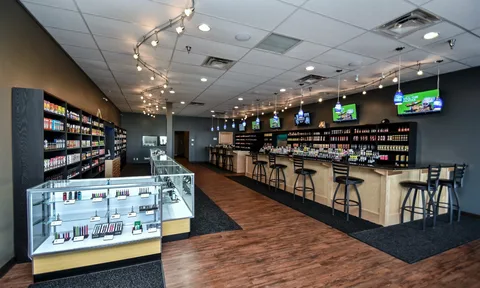
For businesses with a physical presence, location plays a significant role in foot traffic and customer accessibility. Store layout is also important, with many vape stores designing open, well-lit spaces that allow customers to browse devices and test flavors, where local regulations permit, in a comfortable environment.
Product Sourcing and Supplier Relationships
Establishing reliable relationships with reputable manufacturers and distributors is essential for maintaining consistent product quality and avoiding counterfeit or unsafe items entering inventory. Many successful vape store owners prioritize working with verified suppliers over chasing the lowest possible wholesale prices.
Building a Product Catalog
Deciding what to stock is one of the more nuanced aspects of running a vape store, since customer preferences vary widely.
Balancing Device Categories
A well-rounded vape store typically carries a mix of entry-level devices for beginners, more advanced customizable systems for experienced users, and disposable or pod-based options for customers who prioritize simplicity.
Curating E-Liquid Selection
Given the sheer number of e-liquid brands and flavor profiles available, many vape stores curate their selection based on customer feedback and sales data rather than attempting to stock every available option, which can otherwise lead to excess inventory of slower-moving products.
Offering Nicotine Strength Variety
Because customers have vastly different nicotine tolerance levels, stocking a reasonable range of nicotine strengths, including nicotine-free options, helps accommodate both heavy smokers transitioning to vaping and more casual users.
Staff Training and Customer Interaction
Because vaping devices can be technically complex, particularly for new users, staff knowledge plays a significant role in customer satisfaction.
Product Knowledge
Employees who understand the technical differences between device types, coil resistance, and airflow settings are better equipped to help customers select appropriate products and troubleshoot common issues.
Responsible Selling Practices
Reputable vape stores train staff to verify customer age rigorously and to avoid making unverified health claims, focusing instead on providing accurate, balanced product information.
Handling Device Troubleshooting
Since many customers return with questions about malfunctioning devices or leaking pods, staff who can diagnose common issues on the spot help build trust and repeat business.
Navigating Regulatory Compliance
Regulatory compliance is one of the most demanding aspects of operating a vape store, and requirements can vary significantly by region.
Licensing and Permits
Most jurisdictions require specific business licenses to legally sell vaping products, and requirements can differ from those needed for general retail operations.
Age Verification Systems
Implementing consistent, reliable age verification, both in-store and for any online sales, is essential for legal compliance and helps protect the business from penalties associated with underage sales.
Find a trusted vape store ireland offering a wide selection of quality vape products, flavours, devices, and accessories for a convenient shopping experience.
Marketing and Advertising Restrictions
Many regions restrict how vaping products can be advertised, particularly limiting approaches that could appeal to non-smokers or minors. Vape store owners need to stay informed about local advertising rules to avoid compliance issues.
Adapting to Changing Regulations
Vaping regulations continue to evolve in many countries, including restrictions on certain disposable formats, flavor availability, and packaging requirements. Vape store owners who stay proactively informed about upcoming regulatory changes are better positioned to adjust inventory and business plans in advance.
Marketing a Vape Store Responsibly
Given the regulatory sensitivity surrounding vaping products, marketing requires a more careful approach than many other retail categories.
- Focusing promotional content on existing adult smokers and vapers rather than broad general audiences.
- Avoiding imagery or messaging that could be seen as appealing to minors.
- Building customer loyalty through in-store expertise and service quality rather than aggressive discounting or promotional tactics.
- Using email or SMS marketing to existing verified adult customers, where locally permitted, rather than broad public advertising.
Common Challenges Vape Store Owners Face
Running a vape store comes with a distinct set of operational challenges.
- Keeping up with frequently changing regulations across different regions.
- Managing inventory for products with varying shelf lives and evolving compliance requirements.
- Competing with online retailers that may offer lower prices due to reduced overhead costs.
- Building customer trust in an industry that continues to face public health scrutiny and evolving safety research.
Conclusion
Running a vape store involves far more than stocking shelves with popular devices and flavors. From sourcing reliable suppliers and training knowledgeable staff to navigating an increasingly complex regulatory environment, successful vape store owners must balance product variety with compliance and responsible business practices. As regulations continue to tighten across many regions, vape store operators who prioritize transparency, staff expertise, and proactive compliance are likely to be best positioned for long-term stability in this evolving retail sector.
Explore a variety of vaping options with convenient choices, quality products, and helpful information to make your shopping experience easier.